
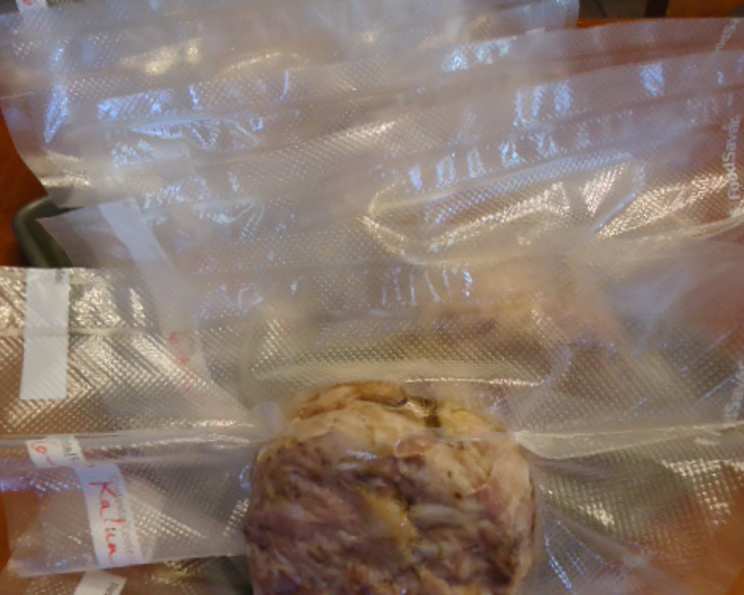
Oven-Style Kalua Pork: A Taste of Aloha in Every Bite
The scent of slow-cooked pork, infused with a subtle smokiness and sea salt, is a memory deeply etched into my culinary soul. It conjures images of luaus on warm Hawaiian nights, the air alive with laughter and the gentle strumming of a ukulele. When life’s journey carried me from the islands to the Arizona desert, the craving for authentic Kalua Pig became an undeniable itch that needed scratching. Recreating that incomparable succulence and flavor profile from my island home was a challenge I embraced with open arms, a testament to the fact that necessity truly is the mother of invention. This oven-style Kalua Pork is more than just a recipe; it’s a portal to those cherished memories, delivering an “uber moist, tender, juicy, salty, smoky pulled Pork, but WAY BETTER.”
Recipe Overview
- Prep Time: 15 minutes
- Cook Time: 3 hours 30 minutes
- Total Time: 3 hours 45 minutes
- Servings: Approximately 6-8 (depending on portion size)
- Yield: 1-8 lb.
- Dietary Type: Gluten-Free, Dairy-Free
Ingredients
The beauty of this dish lies in its simplicity, allowing the quality of the pork and the subtle flavorings to shine.
- 1 – 8 lb. Pork Butt: This cut, also known as pork shoulder, is perfect for its high fat content, which renders down beautifully to create incredibly moist and tender meat. The size will dictate your cooking time proportionally, as outlined in the instructions.
- 1 – 4 tablespoon Course Sea Salt: Opt for a good quality sea salt. If you’re lucky enough to find Hawaiian Salt, its unique mineral profile adds an authentic depth of flavor.
- 3⁄4 – 6 tablespoon Liquid Smoke: This is your shortcut to that coveted smoky essence. Mesquite-flavored liquid smoke is a personal favorite for its robust, woodsy notes that mimic traditional imu (underground oven) cooking remarkably well.
- Banana Leaf, enough to cover the meat: These broad, pliable leaves are essential for imparting a subtle, earthy aroma and helping to retain moisture during the long, slow cook.
Equipment Needed
- Oven
- Large baking pan or roasting dish
- Heavy-duty aluminum foil
- Sharp knife or forks for shredding
Instructions
This method masterfully replicates the tender, fall-apart texture of traditionally cooked Kalua Pig, all within the convenience of your home oven. The key is the slow and steady heat, allowing the connective tissues in the pork butt to break down into gelatin, basting the meat from within.
-
Measure Your Pork, Scale Your Seasoning: Each pork butt is unique in weight. For every pound of pork you have, you will need to use ½ tablespoon of coarse sea salt and ¾ tablespoon of liquid smoke. This precise ratio ensures perfect seasoning and flavor distribution. For instance, if you have a 4-pound pork butt, you’ll use 2 tablespoons of salt (4 x ½) and 3 tablespoons of liquid smoke (4 x ¾).
-
Preheat Your Oven: Begin by preheating your oven to a blistering 500°F (260°C). This initial high heat is crucial for kickstarting the cooking process and beginning to crisp the exterior of the pork.
-
Season the Pork: Take your pork butt and rub the calculated amount of liquid smoke all over its surface. Ensure every inch is coated, as this is where much of the smoky flavor will penetrate. Once coated in liquid smoke, evenly sprinkle the coarse sea salt over the entire roast, pressing it in gently to adhere.
-
Wrap with Tradition: If your banana leaves are frozen, thaw them first. Gently rinse them and pat them dry. Lay your seasoned pork butt on the banana leaves, then wrap the meat snugly, burrito-style, ensuring the leaves completely encase the pork.
-
Double Wrap for Moisture: Once the pork is wrapped in banana leaves, further encase it in heavy-duty aluminum foil, again, wrapping it tightly to create a sealed packet. This double-layer of wrapping is vital for trapping steam and juices, which is the secret to achieving that incredibly moist and tender result.
-
Begin the Cook: Place the foil-wrapped pork into a baking pan or roasting dish. Cover this pan tightly with more foil. Transfer the pan to your preheated 500°F (260°C) oven and bake for 30 minutes.
-
Lower the Heat, Continue the Magic: After the initial 30 minutes, reduce the oven temperature to 325°F (160°C). This lower, sustained heat will gently cook the pork for the remainder of its time.
-
The Long Slow Bake: Allow the pork to bake for an additional 3 ½ hours. The total cooking time will be approximately 4 hours, though larger cuts may require slightly longer, and smaller cuts slightly less. The meat is ready when it is incredibly tender and easily shreds.
-
Rest and Unveil: Once the cooking time is complete, carefully remove the pan from the oven. Allow the pork to cool slightly, about 15-20 minutes, before unwrapping. Discard the aluminum foil and the banana leaves. Be sure to save any accumulated juices from the pan; these are pure liquid gold!
-
Shred and Combine: Using your hands or two forks, shred the pork into your desired consistency. Whether you prefer coarse chunks or fine shreds, the meat should easily pull apart. Return the shredded pork to the baking pan and stir in the reserved juices, ensuring every piece is coated and succulent.
-
Serve the Aloha: Serve your oven-style Kalua Pork warm. The traditional Hawaiian way is alongside steamed white or brown rice. The fluffy rice is the perfect vehicle to soak up the rich, flavorful juices. Enjoy this truly “Ono!” (delicious) dish.
Cook’s Note: Banana leaves can typically be found in the freezer section of ethnic grocery stores. If you are fortunate enough to find green (not multi-colored) Ti Leaves, using them will bring you even closer to the authentic flavor profile of Imu-Cooked (underground pit-oven) Kalua Pig.
Expert Tips & Tricks
- Achieving the Perfect Shred: For the most succulent shredded pork, allow the meat to rest for a good 15-20 minutes after removing it from the oven. This resting period allows the juices to redistribute throughout the meat, preventing it from drying out when you shred it.
- Doneness Test: While the time is a good indicator, the ultimate test for Kalua Pork is its tenderness. The meat should be so tender that it falls apart with minimal effort when probed with a fork. If it’s still resisting, give it another 30-60 minutes at 325°F (160°C).
- Juice Management: Don’t underestimate the power of those reserved juices! They are infused with the pork’s natural flavor, the salt, and the subtle essence from the banana leaves. Stirring them back into the shredded pork is crucial for maximum moisture and flavor.
- Making Ahead: Kalua Pork is a fantastic dish to prepare ahead of time. Once shredded and mixed with its juices, let it cool completely, then store it in an airtight container in the refrigerator for up to 3-4 days. Reheat gently on the stovetop or in the oven.
Serving & Storage Suggestions
Kalua Pork is incredibly versatile, but its classic pairing with steamed rice is hard to beat. For a truly authentic experience, serve it with a side of macaroni salad and a refreshing glass of iced tea or Hawaiian fruit punch.
Leftovers are a treasure! Store the cooled, shredded Kalua Pork in an airtight container in the refrigerator for 3-4 days. It also freezes beautifully. Portion it into freezer-safe bags or containers for individual servings and freeze for up to 2-3 months. To reheat, gently warm it in a skillet over low heat with a splash of water or broth, or microwave in short intervals, stirring occasionally.
Nutritional Information
| Nutrient | Amount per Serving (approximate) | % Daily Value |
|---|---|---|
| Calories | 1007 kcal | |
| Calories from Fat | 640 kcal | |
| Total Fat | 71.2 g | 109 % |
| Saturated Fat | 24.7 g | 123 % |
| Cholesterol | 299.4 mg | 99 % |
| Sodium | 7253.1 mg | 302 % |
| Total Carbohydrate | 0 g | 0 % |
| Dietary Fiber | 0 g | 0 % |
| Sugars | 0 g | 0 % |
| Protein | 85 g | 170 % |
Note: Nutritional values are estimates and can vary based on the exact size and fat content of the pork butt used.
Variations & Substitutions
While this recipe is designed for authentic flavor, a few minor adjustments can cater to different preferences or ingredient availability:
- Smoky Flavor: If liquid smoke is not to your liking, you can experiment with smoked paprika or a very small amount of smoked salt, though the direct liquid smoke offers the most concentrated flavor.
- Leaf Alternative: In the rare event that banana leaves are unavailable, you can wrap the pork in parchment paper followed by heavy-duty foil. However, you will miss the subtle aromatic contribution of the leaves.
- Spice it Up: For a hint of heat, you could add a pinch of red pepper flakes to the salt before applying it to the pork.
FAQs (Frequently Asked Questions)
Q: Can I use a different cut of pork?
A: While pork butt is ideal due to its fat content, a well-marbled pork shoulder will also work. Avoid leaner cuts like pork loin, as they will dry out.
Q: How can I tell if my pork is cooked through?
A: The pork is ready when it is exceptionally tender and can be easily shredded with forks. The internal temperature should reach at least 165°F (74°C), but tenderness is the true indicator for this slow-cooked dish.
Q: My banana leaves are tough. What should I do?
A: If your banana leaves are stiff, you can briefly pass them over an open flame (like a gas burner on low) or dip them in hot water for a few seconds to make them more pliable.
Q: Is it okay to leave the foil on during the entire cooking time?
A: Yes, the foil is essential for creating a steam environment. Removing it prematurely will result in a less tender and moist pork.
Q: Can I speed up the cooking time?
A: This recipe relies on slow cooking for tenderness. While you can increase the initial high-heat sear slightly, significantly reducing the overall cooking time will compromise the texture.
This oven-style Kalua Pork is a testament to the power of simple ingredients and patient cooking. It’s a dish that brings warmth, comfort, and the spirit of aloha to any table. Gather your loved ones, prepare this succulent pork, and savor the incredible flavors that transport you straight to the islands. Don’t hesitate to share your creations and experiences; I always love hearing how this taste of Hawaii finds its way into your kitchens.