
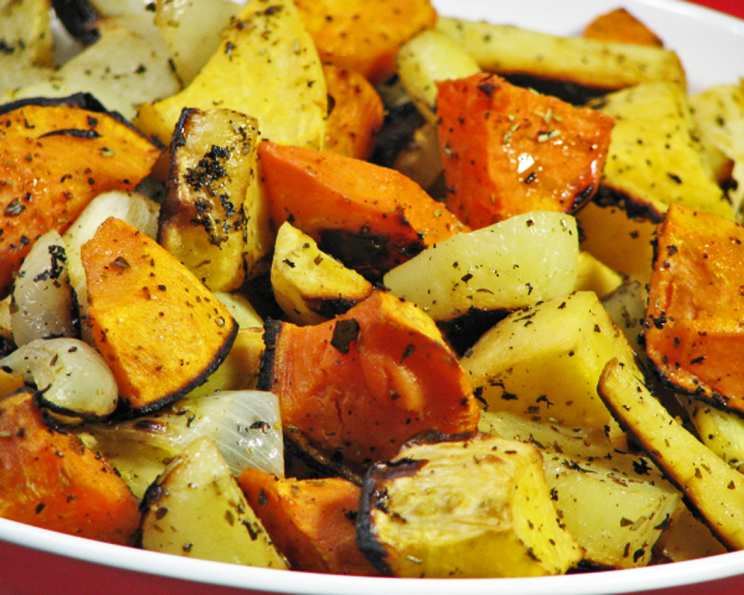
The Hearty Embrace of Oven-Roasted Winter Vegetables
Winter, for me, has always been a season of deep, comforting flavors and the satisfying transformation of humble root vegetables into something truly extraordinary. I remember one particularly chilly evening, the wind howling outside my kitchen window, when I decided to embark on a culinary adventure with a medley of the season’s best. The aroma that filled my home as these vegetables roasted – a sweet, earthy symphony punctuated by fragrant herbs – was more than just a scent; it was a warm hug, a promise of nourishment and joy on a cold night. This dish has since become a cherished staple, a beacon of warmth and deliciousness that I eagerly share.
Recipe Overview
- Prep Time: 15 minutes
- Cook Time: 1 hour 15 minutes
- Total Time: 1 hour 30 minutes
- Servings: 10
- Dietary Type: Vegan, Gluten-Free, Dairy-Free
Ingredients
This recipe is wonderfully forgiving, allowing for a delightful interplay of root vegetables that the winter months generously provide. The beauty lies in its simplicity, letting the natural sweetness and robust textures of the produce shine.
- 8 tablespoons olive oil
- 2 lbs rutabagas, peeled and cut into 1-inch cubes
- 2 lbs onions, cut into 1-inch wedges
- 1 lb carrots, peeled and cut into 2-inch long pieces
- 1 lb sweet potato, peeled and cut into 1 1/2-inch cubes
- 1 lb potato, peeled and cut into 1 1/2-inch cubes
- 20 cloves garlic, peeled
- 1 tablespoon crumbled dried sage
- 1 tablespoon crumbled dried rosemary
- 1 tablespoon crumbled dried oregano
- Juice of 1 lemon
Equipment Needed
- Large roasting pan(s)
- Oven
- Tongs or spatula for tossing
- Measuring spoons
- Measuring cups
- Cutting board
- Sharp knife
Instructions
The magic of oven-roasting lies in its ability to concentrate flavors and create wonderfully caramelized edges. It’s a hands-off method that rewards patience with incredible depth and deliciousness.
- Begin by preheating your oven to a robust 450°F (230°C). This high heat is crucial for achieving that coveted caramelization.
- Next, place a very large roasting pan in the preheated oven. Allow it to heat for a solid 15 minutes. If your roasting pan isn’t large enough to comfortably hold all the vegetables in a single layer, opt for two large roasting pans. This step ensures the vegetables hit a hot surface immediately, promoting browning.
- Carefully remove the hot roasting pan(s) from the oven. Use oven mitts and exercise caution, as the pan will be extremely hot.
- Add 2 tablespoons of olive oil to the hot pan. If you’re using two pans, divide the oil, adding 1 tablespoon to each.
- Now, gently add your prepared vegetables and the whole garlic cloves to the pan(s).
- Sprinkle the crumbled dried sage, rosemary, and oregano over the vegetables.
- Drizzle the remaining olive oil (6 tablespoons total for one pan, or 5 tablespoons each for two pans) and the freshly squeezed lemon juice over the mixture.
- Season generously with salt and freshly ground black pepper to your taste.
- Using tongs or a spatula, toss everything together until the vegetables and garlic are evenly coated with oil, herbs, and seasonings. Ensure they are in a single layer as much as possible; overcrowding will lead to steaming rather than roasting.
- Return the pan(s) to the oven and roast until the vegetables are tender and beautifully caramelized. This process typically takes about 1 ¼ hours, but keep an eye on them. Stir occasionally – every 20-30 minutes – to ensure even cooking and browning on all sides. The garlic cloves should become soft and sweet, almost jammy.
Expert Tips & Tricks
Achieving perfectly roasted vegetables is an art, but a few insider tips can elevate your results from good to spectacular.
- Uniformity is Key: While the recipe specifies certain cut sizes, striving for as much uniformity in your cuts as possible is paramount. This ensures that all the vegetables cook at roughly the same rate, preventing some from becoming mushy while others remain undercooked.
- Don’t Fear the Hot Pan: Preheating your roasting pan is a game-changer. It creates an immediate searing effect on the vegetables when they hit the pan, kickstarting the caramelization process and contributing to a superior texture.
- Spacing for Success: Resist the urge to overcrowd your roasting pan(s). Vegetables need space to breathe and circulate hot air around them. If your vegetables are piled high, they’ll steam instead of roast, resulting in a less desirable, softer texture. If you have to use more than one pan, that’s perfectly fine!
- The Magic of Garlic: Roasting whole garlic cloves alongside the vegetables transforms them into a sweet, mellow, and spreadable delight. They become a delicious bonus treat at the end of the roasting process.
- Seasoning in Stages: While initial seasoning is essential, consider a light additional sprinkle of salt and pepper after a good stir halfway through the roasting process. This helps to build layers of flavor.
Serving & Storage Suggestions
These roasted winter vegetables are incredibly versatile and can be served as a hearty side dish, a vegetarian main course, or a flavorful addition to other dishes.
- Serving: Serve hot, straight from the oven. The caramelized edges and tender interiors are at their peak when freshly roasted. They make a perfect accompaniment to roasted meats, poultry, fish, or can be enjoyed on their own with a dollop of your favorite sauce or a sprinkle of fresh herbs like parsley or chives. The soft, sweet roasted garlic cloves can be mashed and spread on crusty bread or mixed into the vegetables.
- Storage: Leftovers can be stored in an airtight container in the refrigerator for up to 3-4 days.
- Reheating: To reheat, spread the vegetables in a single layer on a baking sheet and warm in a 350°F (175°C) oven for 10-15 minutes, or until heated through. You can also reheat them gently on the stovetop in a skillet with a little extra olive oil. Avoid microwaving if you want to preserve their texture, as it can make them soft and watery.
Nutritional Information
| Nutrient | Amount per Serving | % Daily Value |
|---|---|---|
| Calories | 269.6 kcal | |
| Calories from Fat | ||
| Total Fat | 11.4 g | 17% |
| Saturated Fat | 1.6 g | 8% |
| Cholesterol | 0 mg | 0% |
| Sodium | 82.3 mg | 3% |
| Total Carbohydrate | 40.1 g | 13% |
| Dietary Fiber | 7.9 g | 31% |
| Sugars | 13.5 g | 54% |
| Protein | 4.6 g | 9% |
Note: Nutritional information is an estimate and can vary based on specific ingredients and portion sizes.
Variations & Substitutions
While this recipe celebrates the classic winter trio, feel free to explore other seasonal stars or adjust according to your pantry’s bounty.
- Root Vegetable Swap: Parsnips, turnips, celeriac, or even chunks of butternut squash can be excellent additions or substitutions. Adjust roasting times slightly based on the density of the vegetables.
- Herbal Infusion: Experiment with other dried or fresh herbs like thyme, marjoram, or a pinch of smoked paprika for a touch of warmth.
- Spicy Kick: For those who enjoy a little heat, add a pinch of red pepper flakes along with the dried herbs.
- Sweet & Savory: A drizzle of balsamic glaze or a touch of maple syrup in the last 15 minutes of roasting can add a wonderful sweet and tangy counterpoint.
FAQs
Q: Why do I need to preheat the roasting pan?
A: Preheating the pan helps to sear the vegetables immediately upon contact, promoting better browning and a crispier exterior, which is key to delicious roasted vegetables.
Q: What happens if my vegetables are not in a single layer?
A: Overcrowding the pan will cause the vegetables to steam rather than roast, resulting in a softer, less appealing texture and limiting caramelization.
Q: Can I use fresh herbs instead of dried?
A: Yes, you can! Use about three times the amount of fresh herbs as dried herbs, and add them during the last 20-30 minutes of roasting to prevent them from burning.
Q: How do I know when the vegetables are done?
A: The vegetables should be tender when pierced with a fork, and the edges should be nicely browned and caramelized. The garlic cloves should be soft and sweet.
Q: Can I make this dish ahead of time?
A: While best served fresh, roasted vegetables can be made ahead and stored in the refrigerator. Reheat as directed in the serving suggestions to revive their texture and flavor.
Final Thoughts
This oven-roasted winter vegetable medley is more than just a recipe; it’s an invitation to savor the season’s bounty and embrace the simple elegance of well-cooked food. It’s a dish that speaks of warmth, comfort, and the joy of sharing good food with loved ones. I encourage you to gather your favorite root vegetables, fill your kitchen with their intoxicating aroma, and experience the transformative power of roasting. Serve it alongside a hearty lentil soup or a perfectly roasted chicken, and you’ll have a meal that nourishes both body and soul. Enjoy every delicious, caramelized bite!