
Oven Kalua Pig: A Taste of Aloha in Your Own Kitchen
There’s a magic to Hawaiian food, a way it conjures up sun-drenched beaches and the gentle rhythm of the ocean. For years, my culinary journey has been punctuated by the pursuit of authentic flavors, and Kalua Pig holds a special place in that exploration. I remember one particular trip to the Big Island, where the aroma of an imu — the traditional underground oven — filled the air, promising a feast of slow-cooked pork. While recreating that exact experience at home is a challenge without an imu, this oven method for Kalua Pig brings that deeply smoky, incredibly tender pork right to your table, no matter where you are. It’s a testament to how simple ingredients and patient cooking can transport your senses.
Recipe Overview
- Prep Time: 15 minutes
- Cook Time: 8 hours
- Total Time: 8 hours 15 minutes
- Servings: 20
- Yield: Approximately 8 lbs of cooked pork
- Dietary Type: Gluten-Free, Dairy-Free
Ingredients
- 1 large Boston butt (about 8 lbs)
- 1/4 cup rock salt or 1/4 cup sea salt
- 1 teaspoon liquid smoke
- 2 cups water
Equipment Needed
- Large roasting pan
- Heavy-duty aluminum foil
Instructions
This method focuses on replicating the slow, moist cooking that is crucial for tender, shreddable Kalua Pig, all within the confines of your oven.
- Prepare the Pork: Start with your large Boston butt, which should weigh approximately 8 pounds. This cut, with its generous marbling, is perfect for the long, slow cooking process that will render it exceptionally tender and flavorful.
- Create the Flavor Rub: In a small bowl, combine the rock salt (or sea salt) and the liquid smoke. Stir these together until they are well incorporated. The salt is essential for seasoning and helps to draw out moisture, while the liquid smoke provides that characteristic smoky essence without needing an actual smoker or imu.
- Season the Roast: Place the Boston butt in a large roasting pan. Evenly spread the salt and liquid smoke mixture all over the surface of the roast. Ensure it’s coated as thoroughly as possible to impart flavor into every bite.
- Add Moisture: Carefully pour the 2 cups of water into the roasting pan. This liquid will create steam during the cooking process, helping to keep the pork moist and tender throughout the lengthy cooking time.
- Seal and Cook: Cover the roasting pan tightly with heavy-duty aluminum foil. This is a critical step to trap the steam and heat, allowing the pork to braise and cook slowly. Roast in a preheated oven at 200 degrees Fahrenheit for 8 hours, or even overnight if your schedule permits. The low temperature and long duration are what break down the connective tissues in the pork, resulting in that fall-apart tender texture characteristic of authentic Kalua Pig.
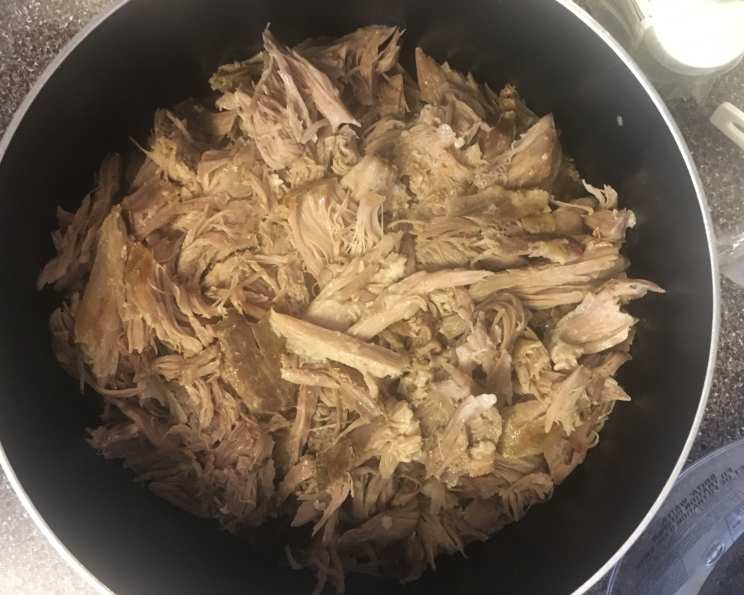
- Shred and Serve: Once the 8 hours of roasting are complete, carefully remove the foil. The pork should be incredibly tender and easily shreddable. Use two forks to shred the meat directly in the pan, mixing it with the rendered juices. Serve immediately.
Expert Tips & Tricks
The beauty of this oven method lies in its simplicity, but a few pointers can elevate your Kalua Pig even further. For maximum flavor penetration, you can allow the seasoned Boston butt to rest in the refrigerator, uncovered, for an hour before cooking. This helps the salt to begin its work. When shredding, be sure to get into all the nooks and crannies of the roast to incorporate all the delicious juices. If your oven tends to run hot or cool, consider using an oven thermometer to ensure you’re maintaining a consistent 200°F.
Serving & Storage Suggestions
Oven Kalua Pig is incredibly versatile. Traditionally, it’s served with rice, or as part of a larger luau spread with poi, lomi salmon, and haupia. It’s also fantastic tucked into tortillas for tacos, layered onto sweet potato, or mixed with cabbage and steamed for a classic Kalua Pig and cabbage dish.
Leftovers freeze well. Once cooled, portion the shredded Kalua Pig into airtight containers or freezer bags. It can be stored in the freezer for up to 3 months. To reheat, thaw overnight in the refrigerator and then gently warm it on the stovetop or in the oven, adding a splash of water or broth if needed to restore moisture. In the refrigerator, leftovers will keep for 3-4 days.
Nutritional Information
While the original recipe provided minimal nutritional data, Kalua Pig is a protein-rich dish. A typical serving of Kalua Pig (without added sauces or sides) would be substantial in protein and fat, with very low carbohydrate content.
| Nutrient | Amount per Serving (estimated) | % Daily Value (estimated) |
|---|---|---|
| Calories | 350 kcal | 18% |
| Total Fat | 22g | 28% |
| Saturated Fat | 8g | 40% |
| Cholesterol | 120mg | 40% |
| Sodium | Varies greatly based on salt | Varies greatly |
| Total Carbohydrate | 0g | 0% |
| Dietary Fiber | 0g | 0% |
| Sugars | 0g | 0% |
| Protein | 36g | 72% |
Note: Nutritional information is an estimate and can vary based on the specific cut of pork and portion size.
Variations & Substitutions
While this recipe is designed to be authentic, you can certainly adapt it. If you prefer a less intense smoky flavor, you can reduce the liquid smoke to 1/2 teaspoon. For a richer, more complex flavor profile, some cooks like to add a splash of soy sauce or tamari (for a gluten-free option) along with the water, though this moves slightly away from the purely traditional salt-and-smoke seasoning.
FAQs
Q: Can I use a different cut of pork for this recipe?
A: A Boston butt is ideal due to its fat content, which keeps the meat moist during the long cooking. A pork shoulder would be the next best substitute.
Q: Do I really need to cook it for 8 hours at such a low temperature?
A: Yes, the low temperature and extended cooking time are crucial for breaking down the connective tissues in the pork, ensuring it becomes incredibly tender and easy to shred.
Q: What if I don’t have rock salt?
A: Sea salt is a perfectly acceptable substitute. Avoid iodized table salt, as it can impart an off-flavor.
Q: How do I know if the pork is done?
A: The pork should be fork-tender and easily pull apart. If it’s still resistant, continue cooking in 30-minute increments.
Q: Can I speed up the cooking process?
A: While tempting, the low and slow method is key to achieving the authentic Kalua Pig texture. Increasing the temperature significantly will likely result in drier, less tender meat.
Final Thoughts
This oven-roasted Kalua Pig is more than just a recipe; it’s an invitation to experience a piece of Hawaiian culture in your own home. The aroma that will fill your kitchen as it slowly cooks is a promise of the incredible flavor and melt-in-your-mouth texture to come. It’s a dish that speaks of patience, tradition, and the joy of sharing good food. Gather your loved ones, serve it up with your favorite accompaniments, and savor the taste of the islands. Aloha!