
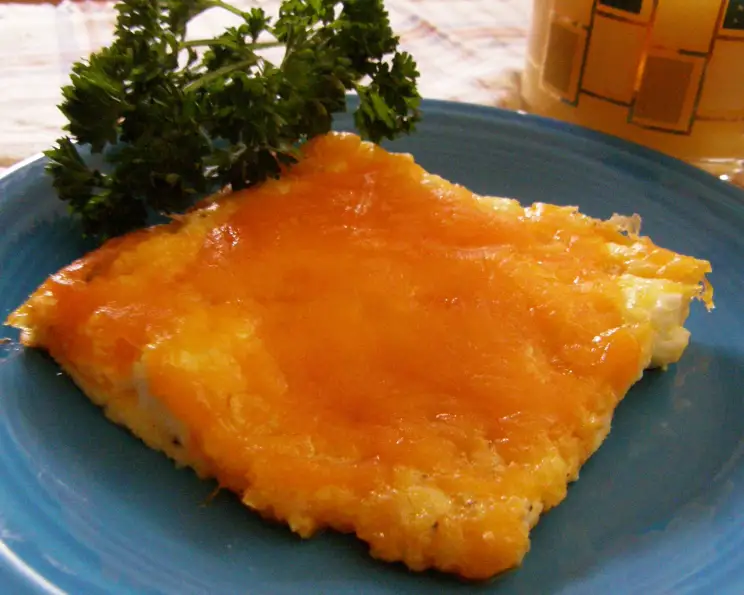
The Oven-Baked Omelet: A Fearless Flip and a Feast for Crowds
I’ve had my share of omelet mishaps in the kitchen. The classic stovetop omelet, while delicious, can be a temperamental beast. There’s that precise moment when you need to coax it from the pan, a delicate dance between spatula and heat, that often ends in a broken, folded mess rather than the elegant crescent of our dreams. It was one such breakfast disaster, a deflated, eggy pancake clinging stubbornly to my non-stick pan, that sent me on a quest for a more forgiving method. This oven-baked omelet, a revelation in simplicity and scalability, has since become my go-to for effortless brunches and stress-free weeknight dinners, proving that sometimes, the best way to conquer a culinary challenge is to let the oven do the heavy lifting.
Recipe Overview
- Prep Time: 15 minutes
- Cook Time: 15-20 minutes
- Total Time: 30-35 minutes
- Servings: 8
- Yield: 1 pie
- Dietary Type: Vegetarian
Ingredients
- 8 large eggs
- 1 cup milk (whole or 2% works best for richness)
- 1/2 cup all-purpose flour
- 1/2 teaspoon salt
- 1 pinch ground pepper (optional, but adds a subtle warmth)
- 1 cup shredded cheese or 1 cup cheese slices (cheddar, Monterey Jack, or a blend are excellent choices)
Equipment Needed
- Oven
- Whisk or fork
- Mixing bowl
- 9×13-inch baking pan
- Spatula
- Knife (for serving)
Instructions
- Begin by preheating your oven to a robust 450°F (230°C). This high heat is crucial for achieving that lovely golden-brown exterior and a perfectly puffed interior.
- In your mixing bowl, combine the eggs, milk, all-purpose flour, salt, and ground pepper (if using).
- Whisk these ingredients together vigorously until the mixture is completely smooth and free of any flour lumps. You’re aiming for a consistency similar to pancake batter. A few minutes of thorough whisking will ensure the flour is fully incorporated, preventing any grainy texture.
- Lightly grease your 9×13-inch baking pan. This step is vital to prevent the omelet from sticking, ensuring a clean release.
- Pour approximately half of the egg mixture into the prepared baking pan.
- Now, it’s time for your chosen filling. Place the cheese directly on top of the egg mixture in the pan. Feel free to get creative here; this is also the stage where you can add any other pre-cooked fillings you desire, such as sautéed vegetables, cooked bacon bits, or diced ham.
- Pour the remaining egg mixture evenly over the cheese and any other fillings. This layering technique ensures the cheese melts beautifully into the omelet.
- Carefully place the pan in the preheated oven.
- Bake for 15-20 minutes, or until the eggs begin to turn a lovely golden brown around the edges and the center is set. You can test for doneness by gently inserting a knife near the center; it should come out clean. The omelet will puff up significantly in the oven and then settle slightly as it cools.
- Once baked, use a spatula to carefully loosen the omelet from the edges of the pan. This prevents it from tearing when you slice and serve it.
- If you desire an extra cheesy finish, you can sprinkle some additional cheese on top during the last few minutes of baking, allowing it to melt and become gooey.
- Finally, slice the omelet into portions and serve immediately.
Expert Tips & Tricks
For an even more cohesive flavor, consider mixing about half of your cheese directly into the egg and flour mixture before pouring. This ensures a delightful cheesy essence throughout every bite, rather than just on top. If you’re adding vegetables, make sure they are pre-cooked and finely diced, as the baking time may not be sufficient to cook raw vegetables thoroughly. This also helps to prevent excess moisture from making the omelet soggy.
Serving & Storage Suggestions
This oven-baked omelet is a versatile dish that shines when served hot and fresh. It’s wonderful on its own, or paired with a crisp green salad, some fresh fruit, or a side of toast. For a heartier meal, consider serving it with a dollop of sour cream or a sprinkle of fresh chives.
Leftovers can be stored in an airtight container in the refrigerator for up to 3 days. To reheat, a quick go-around in the microwave or a few minutes in a low oven (around 300°F/150°C) will bring it back to its delicious best. While it’s best enjoyed fresh, it can also be frozen for longer storage, though the texture might be slightly altered upon thawing.
Nutritional Information
| Nutrient | Amount per Serving | % Daily Value |
|---|---|---|
| Calories | 168.2 kcal | |
| Calories from Fat | 86 kcal | |
| Total Fat | 9.6 g | 14% |
| Saturated Fat | 4.4 g | 22% |
| Cholesterol | 224.8 mg | 74% |
| Sodium | 366.9 mg | 15% |
| Total Carbohydrate | 8.9 g | 2% |
| Dietary Fiber | 0.2 g | 0% |
| Sugars | 0.4 g | 1% |
| Protein | 10.9 g | 21% |
Note: Nutritional values are estimates and can vary based on specific ingredients and portion sizes used.
Variations & Substitutions
The beauty of this oven-baked omelet lies in its adaptability. For a lighter option, you can experiment with different types of milk, such as skim or even unsweetened almond milk, though the richness may be slightly diminished. If you have a gluten sensitivity, a gluten-free all-purpose flour blend can be used in place of traditional flour. Feel free to swap out the cheese for your personal favorites, or explore adding different herbs like parsley, dill, or chives directly into the egg mixture for an herbaceous twist.
FAQs (Frequently Asked Questions)
Q: Why is my oven-baked omelet not puffing up?
A: Ensure your oven is fully preheated to 450°F. The high temperature is essential for the eggs to expand and create that characteristic puff. Also, make sure you haven’t over-whisked the batter, which can sometimes deflate it.
Q: Can I add more vegetables to this omelet?
A: Absolutely! Just be sure to sauté any vegetables like onions, peppers, or mushrooms beforehand to remove excess moisture and ensure they are tender. Add them with the cheese layer.
Q: What kind of pan is best for an oven-baked omelet?
A: A standard 9×13-inch baking pan is ideal. It allows for even cooking and easy slicing into portions. Glass, ceramic, or metal pans will all work well.
Q: Can I make this ahead of time?
A: While best served fresh, you can prepare the batter and store it in the refrigerator for up to 24 hours. However, baking it fresh will yield the best texture and flavor.
Q: How do I ensure the omelet is cooked through without burning?
A: Keep an eye on it during the last few minutes of baking. The edges should be golden brown and the center should be set. If the top is browning too quickly, you can loosely tent it with aluminum foil.
Final Thoughts
This oven-baked omelet is more than just a recipe; it’s a testament to embracing simpler, more reliable cooking methods without sacrificing flavor or satisfaction. It’s the kind of dish that welcomes you into the kitchen with open arms, forgiving of minor distractions and always delivering a delicious reward. Whether you’re feeding a hungry family, hosting a weekend brunch, or simply craving a hearty and wholesome meal, this oven-baked wonder is sure to become a staple. Don’t hesitate to experiment with your favorite cheese combinations and add-ins. I’d love to hear about your culinary creations and any personal twists you bring to this wonderfully adaptable dish. Enjoy every golden, fluffy slice!