
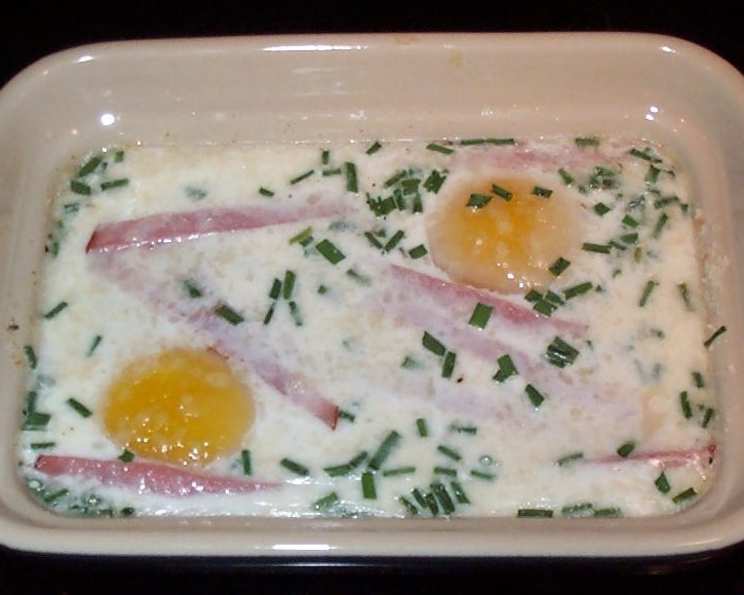
The Humble Oven-Baked Egg: A Symphony of Simplicity and Comfort
There are certain dishes that, despite their simplicity, manage to weave themselves into the fabric of our culinary memories. For me, oven-baked eggs fall squarely into that category. I recall my grandmother, a woman whose kitchen was a haven of comforting aromas, preparing these delicate egg pots on quiet Sunday mornings. The way the yolks remained perfectly runny, cradled in a creamy embrace and crowned with a crisp, cheesy crust, was pure magic. It wasn’t just breakfast; it was an edible hug, a gentle start to the day that always left me feeling nourished and deeply content. Even now, the aroma of butter melting in a ramekin, the gentle crack of an egg, and the sight of bubbling cheese transport me back to those cherished moments, reminding me that the most profound flavors often reside in the simplest preparations.
Recipe Overview
- Prep Time: 5 minutes
- Cook Time: 15 minutes
- Total Time: 20 minutes
- Servings: 4
- Yield: 4 individual egg pots
- Dietary Type: Gluten-Free
Ingredients
The beauty of this dish lies in its minimal, yet impactful, ingredient list. It’s a testament to how a few quality components can come together to create something truly special.
- 10 g butter, softened, for greasing
- 4 large eggs
- 6 tablespoons heavy cream
- 1 tablespoon fresh chives, finely chopped
- 2 slices ham, cut into fine strips
- 2 tablespoons Parmesan cheese, finely grated (or any other good melting cheese)
- Salt, to taste
- Freshly ground black pepper, to taste
Equipment Needed
While this recipe is incredibly straightforward, having the right tools ensures a seamless experience.
- Four individual ramekins or small oven-safe pots (soufflé dishes work wonderfully)
- A small knife for preparing ingredients
- A baking sheet or roasting pan
- An oven
- A spoon for portioning cream and for serving
Instructions
The process of creating these oven-baked eggs is remarkably swift, making it an ideal option for a quick breakfast, a light lunch, or even an elegant appetizer.
- Begin by preheating your oven to 150°C (300°F). This moderate temperature is key to ensuring the eggs cook gently, resulting in a perfectly set white and a wonderfully molten yolk.
- Next, generously grease the inside of four ramekins or small oven-safe pots with the softened butter. Ensure that the butter coats the bottom and sides evenly. This not only prevents sticking but also imparts a subtle richness to the edges of the baked egg.
- Carefully add 1 and a half tablespoons of heavy cream into the bottom of each prepared pot. The cream forms a luscious base, ensuring the eggs don’t dry out and adding a velvety texture to the final dish.
- Now, distribute half of the finely sliced ham strips and half of the chopped chives evenly among the four pots. This layer infuses the dish with savory notes and a fresh, herbaceous aroma.
- Season each pot lightly with salt and freshly ground black pepper. Remember that the ham and Parmesan cheese will also contribute saltiness, so it’s best to season subtly at this stage.
- Gently crack one egg into each pot, taking care not to break the yolk. The egg should nestle beautifully into the cream and other ingredients.
- Top each egg with the remaining ham strips and chives. This creates a delightful layer of flavor and texture on top of the egg white.
- Finally, sprinkle the grated Parmesan cheese over the ham and chives in each pot, covering the ingredients. The cheese will melt and crisp up beautifully in the oven, forming a delightful golden crust.
- Carefully arrange the filled ramekins onto a baking sheet or roasting pan. This makes it easier to transfer them in and out of the oven and catches any potential drips.
- Place the baking sheet with the ramekins into the preheated oven.
- Bake for approximately 15 minutes, or until the cheese appears beautifully melted and is starting to turn a delightful golden-brown and crispy. The egg whites should be set, while the yolks should still be wonderfully soft and runny. Keep a close eye on them towards the end of the cooking time, as oven temperatures can vary.
- Once ready, carefully remove the baking sheet from the oven. The ramekins will be hot, so handle with care.
- Serve the oven-baked eggs immediately, placing each hot ramekin onto a small serving plate. These are best enjoyed fresh, perhaps with a side of crusty bread for dipping into the luscious yolk and creamy base.
Expert Tips & Tricks
Elevating these simple baked eggs is all about a few thoughtful touches. To ensure your egg whites are perfectly set while the yolk remains lusciously runny, aim for that 15-minute mark. If your yolks tend to cook too quickly, you might try a slightly lower oven temperature (around 140°C/285°F) and a couple of extra minutes. For an even more decadent experience, consider adding a tiny pinch of nutmeg to the cream before pouring it into the ramekins – it complements the cheese and ham beautifully. If you find your cheese isn’t crisping up to your liking, you can briefly place the ramekins under the broiler for 30-60 seconds at the very end of baking, watching them very closely to prevent burning.
Serving & Storage Suggestions
These oven-baked eggs are designed to be enjoyed straight from the oven, their warmth and inviting aroma promising a delightful experience. Serve them piping hot in their individual ramekins, perhaps with a sprinkle of extra fresh chives for a vibrant garnish. A side of lightly toasted baguette, sourdough, or even a warm croissant is the perfect accompaniment for sopping up every last drop of the creamy, eggy goodness.
Leftovers are a rare commodity with this dish, as it’s best made fresh. However, if you do find yourself with a prepared (but unbaked) ramekin, you can cover it tightly with plastic wrap and refrigerate for up to 24 hours. To bake, simply bring it to room temperature for about 20 minutes before proceeding with the recipe, potentially adding a minute or two to the baking time. Once baked, these eggs are not ideal for storage and are best consumed immediately. Reheating baked eggs generally leads to overcooking and a less desirable texture.
Nutritional Information
Here’s an approximate breakdown of the nutritional content per serving (one oven-baked egg pot):
| Nutrient | Amount per Serving | % Daily Value |
|---|---|---|
| Calories | 200-220 kcal | 10-11% |
| Total Fat | 17-19 g | 22-24% |
| Saturated Fat | 9-10 g | 45-50% |
| Cholesterol | 250-270 mg | 83-90% |
| Sodium | 250-280 mg | 11-12% |
| Total Carbohydrate | 1.5-2 g | 1% |
| Dietary Fiber | 0 g | 0% |
| Sugars | 0.5-1 g | 1-2% |
| Protein | 9-11 g | 18-22% |
Note: Nutritional values are estimates and can vary based on the specific ingredients and quantities used, particularly the type of ham and cheese.
Variations & Substitutions
The beauty of this dish lies in its adaptability. The provided recipe is a classic for a reason, but feel free to explore!
- For a Vegetarian Delight: Omit the ham and replace it with finely chopped sautéed mushrooms, roasted red peppers, or sun-dried tomatoes. A sprinkle of fresh dill or parsley can also add wonderful flavor.
- Seafood Lover’s Dream: As suggested in the original notes, salmon (flaked cooked salmon) or grey shrimp are fantastic substitutes for ham. Smoked salmon is particularly luxurious here.
- Herbaceous Heaven: Experiment with different fresh herbs. Thyme, rosemary (used sparingly), or a mix of Italian herbs can offer distinct flavor profiles.
- Cheesy Choices: While Parmesan is excellent, feel free to try Gruyère for a nuttier flavor, sharp cheddar for a bolder kick, or even a dollop of goat cheese for a creamy tang.
- A Touch of Spice: For those who enjoy a little heat, a tiny pinch of red pepper flakes added with the chives can provide a subtle warmth.
FAQs (Frequently Asked Questions)
Q: Can I prepare the ramekins ahead of time?
A: Yes, you can assemble the ramekins (steps 2-8) up to 24 hours in advance. Cover them tightly with plastic wrap and refrigerate. Bring them to room temperature for about 20 minutes before baking, and you may need to add a minute or two to the cooking time.
Q: How do I know when the eggs are perfectly cooked?
A: The egg whites should be fully set, opaque, and no longer runny, while the yolk should still be liquid and gently jiggly. The cheese on top should be melted and beginning to turn golden and slightly crispy.
Q: My cheese isn’t browning. What can I do?
A: If your cheese isn’t browning sufficiently, you can carefully place the ramekins under a preheated broiler for 30-60 seconds at the end of the baking time. Watch them very closely to prevent burning.
Q: Can I use milk instead of cream?
A: While heavy cream provides the richest and most stable base, you can use half-and-half or even whole milk. However, using lower-fat options might result in a slightly less creamy texture and could increase the risk of the egg white drying out.
Q: What kind of ham is best for this recipe?
A: Any good quality cooked ham will work. Diced or thinly sliced deli ham is convenient. You can also use leftover cooked ham, finely diced.
Final Thoughts
This oven-baked egg recipe is a true testament to the power of simple, quality ingredients prepared with care. It’s the kind of dish that reassures you that deliciousness doesn’t need to be complicated. Whether you’re seeking a quick and satisfying breakfast, a light lunch, or an elegant starter for a special meal, these baked eggs deliver. I encourage you to try them, to experiment with your favorite fillings and cheeses, and to savor the comforting warmth and exquisite simplicity they offer. Pair them with a robust coffee on a leisurely morning or a crisp glass of white wine for an evening treat. I would love to hear about your own delicious variations and how you’ve made this humble dish your own. Enjoy every delightful bite!