
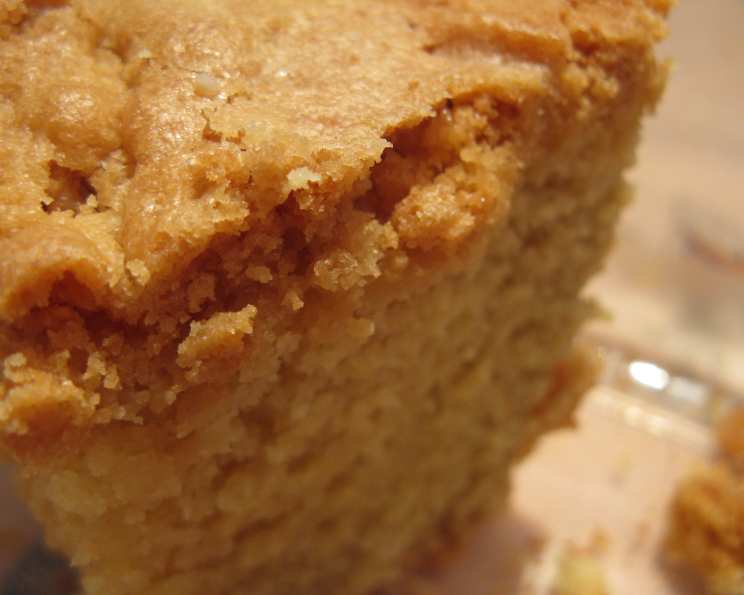
The Enduring Charm of Original Pound Cake: A Taste of True Comfort
There’s something profoundly comforting about a classic pound cake. For me, it’s not just a dessert; it’s a memory baked into a golden-brown loaf. I can still vividly recall my grandmother’s kitchen, filled with the sweet, buttery aroma of her pound cake cooling on a wire rack. The simple elegance of its dense, tender crumb, the subtle sweetness that never overwhelmed, and that perfect, slightly crisp crust – it was, and still is, the benchmark against which all other cakes are measured. It’s a recipe that has stood the test of time, a testament to the power of simple, high-quality ingredients coming together in perfect harmony.
Recipe Overview
- Prep Time: 15 minutes
- Cook Time: 60 minutes
- Total Time: 1 hour 15 minutes
- Servings: 12
- Yield: 1 cake
- Dietary Type: Traditional
Ingredients
The beauty of an original pound cake lies in its simplicity. It traditionally relies on just a few key players, their quality shining through in every bite.
- 2 cups granulated sugar
- 2 cups all-purpose flour
- 1/4 teaspoon salt
- 1 teaspoon baking soda
- 1 cup unsalted butter, softened
- 5 large eggs
- 1 1/2 teaspoons vanilla extract
- 1 1/2 teaspoons lemon extract (optional)
Equipment Needed
While this recipe is straightforward, a few essential tools will ensure success:
- A large mixer bowl (for stand mixer or handheld mixer)
- A Bundt pan or two loaf pans (9×5 inches each)
- An oven
- A wire cooling rack
- A spatula or wooden spoon
- Measuring cups and spoons
Instructions
This pound cake comes together with remarkable ease, proving that exceptional results don’t always require complicated techniques. The key is to ensure your ingredients are at the right temperature and to mix thoroughly at each stage.
- Preheat and Prepare Your Pan: Begin by preheating your oven to 325°F (160°C). It is crucial to thoroughly butter your chosen pan. For a Bundt pan, make sure to get into all the crevices. If using loaf pans, butter them generously and consider lightly flouring them afterwards to ensure the cake releases easily.
- Combine Dry Ingredients: In a medium bowl, whisk together the granulated sugar, all-purpose flour, salt, and baking soda. This ensures an even distribution of leavening and seasoning throughout the batter.
- Cream Butter and Sugar: In a large mixer bowl, combine the softened butter and the dry ingredient mixture. Mix on medium speed until the ingredients are well combined and the mixture is crumbly. This stage helps to create a tender crumb by coating the flour particles with fat.
- Incorporate Eggs: Add the eggs, one at a time, to the butter and sugar mixture. Mix thoroughly after each addition, ensuring each egg is fully incorporated before adding the next. This gradual incorporation prevents the batter from breaking.
- Add Extracts: Stir in the vanilla extract and the lemon extract (if using). Mix until everything is just combined and the batter is smooth. Be careful not to overmix at this stage.
- Pour Batter into Pan: Carefully pour the batter into your prepared Bundt pan or divided evenly between two buttered loaf pans. Use a spatula to ensure you get all the delicious batter out of the bowl.
- Bake to Perfection: Bake in the preheated oven for 60 minutes, or until a wooden skewer or toothpick inserted into the center of the cake comes out clean. The exact baking time can vary depending on your oven and the type of pan used, so start checking for doneness around the 55-minute mark.
- Cooling Process: Once baked, remove the cake from the oven and let it cool in the pan on a wire rack for about 10-15 minutes. This allows the cake to firm up slightly, making it easier to invert without breaking.
- Invert and Cool Completely: After the initial cooling period, carefully invert the cake onto the wire rack to cool completely. Ensure it is entirely cool before slicing and serving.
Expert Tips & Tricks
- Room Temperature is Key: Ensure your butter and eggs are at room temperature. This is crucial for proper emulsification and a tender cake texture. Cold ingredients won’t cream or incorporate as effectively, potentially leading to a denser cake.
- Don’t Overmix: While thorough mixing is important, once the flour is added, overmixing can develop the gluten too much, resulting in a tough pound cake. Mix until just combined.
- Pan Preparation is Paramount: A well-greased and floured pan is your best friend for a perfect release. For Bundt pans, use a pastry brush to ensure every nook and cranny is coated with butter.
- Oven Variability: Ovens can be finicky. If your cake tends to brown too quickly on top, you can loosely tent it with aluminum foil during the last 20-30 minutes of baking.
- Testing for Doneness: The toothpick test is reliable, but also look for visual cues: the cake should be golden brown and the edges should be pulling away slightly from the sides of the pan.
Serving & Storage Suggestions
This original pound cake is a marvel on its own, its rich flavor and tender crumb needing little embellishment. Serve slices at room temperature. A dusting of powdered sugar is elegant, or a dollop of freshly whipped cream and a scattering of berries offers a delightful contrast.
For storage, it’s best kept at room temperature. Wrap the cooled cake tightly in plastic wrap, then in aluminum foil, or store it in an airtight container. It will remain fresh for 3-4 days. If you need to store it for longer, it freezes beautifully. Wrap it well and freeze for up to 3 months. Thaw at room temperature, still wrapped, to preserve moisture.
Nutritional Information
| Nutrient | Amount per Serving | % Daily Value |
|---|---|---|
| Calories | 4471.2 kcal | |
| Calories from Fat | 1902 kcal | |
| Total Fat | 211.4 g | 325% |
| Saturated Fat | 124.7 g | 623% |
| Cholesterol | 1545.5 mg | 515% |
| Sodium | 3503 mg | 145% |
| Total Carbohydrate | 593.5 g | 197% |
| Dietary Fiber | 6.8 g | 27% |
| Sugars | 403.2 g | 1612% |
| Protein | 59.2 g | 118% |
Note: Nutritional values are approximate and can vary based on specific ingredients and portion sizes.
Variations & Substitutions
While the original is perfect as is, here are a few ideas to playfully adapt this classic:
- Citrus Zest: Add the zest of one lemon or orange to the batter along with the extracts for an extra burst of fresh flavor.
- Spiced Pound Cake: Introduce a warm spice blend by adding 1/2 teaspoon of cinnamon, 1/4 teaspoon of nutmeg, and a pinch of ground cloves to the dry ingredients.
- Chocolate Lover’s Dream: For a decadent twist, gently fold in 1/2 cup of chocolate chips (semi-sweet or dark) after adding the extracts.
FAQs
Q: Why is my pound cake dense and heavy?
A: This is often due to overmixing the batter after the flour has been added, which develops the gluten too much. Ensure you mix the dry and wet ingredients until just combined.
Q: My pound cake is sticking to the pan. What went wrong?
A: Insufficient greasing and flouring of the pan is the most common culprit. Make sure to thoroughly butter and lightly flour all parts of your pan, especially Bundt pans with intricate designs.
Q: Can I use a different type of flour?
A: While all-purpose flour is traditional and yields the best results, you could experiment with a cake flour for a slightly more tender crumb, but adjust liquid amounts if needed. Gluten-free flours will require significant recipe modification.
Q: How can I tell if my pound cake is baked through?
A: Insert a wooden skewer or toothpick into the center. It should come out clean, with no wet batter clinging to it. The edges of the cake should also be pulling away from the sides of the pan.
Q: My pound cake is dry. How can I prevent this in the future?
A: Avoid overbaking. Start checking for doneness a few minutes before the recommended time. Ensuring your butter and eggs are at room temperature also contributes to a moister cake.
Final Thoughts
The original pound cake is a testament to the fact that sometimes, the simplest recipes are the most profound. It’s a comforting, reliable classic that brings joy with every slice. I encourage you to bake this for yourself, to share it with loved ones, and to savor the enduring appeal of a truly well-made pound cake. Serve it with a steaming cup of coffee or a glass of chilled milk, and relish in its timeless goodness.