
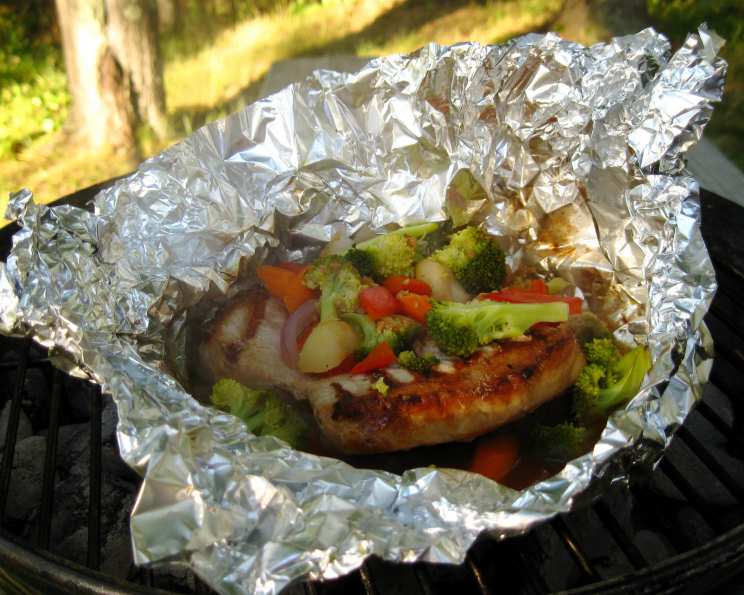
Oriental Pork Tenderloin in Foil Packets: A Weeknight Wonder
There’s a certain magic that happens when simple ingredients, wrapped in humble foil, transform into a vibrant, flavorful meal. I remember a particularly hectic autumn evening, juggling work deadlines and the ever-present demands of family. The thought of a complicated dinner prep felt utterly overwhelming. Then, my mind drifted back to a technique I’d learned years ago – foil packet cooking. It wasn’t just about the ease of cleanup; it was about locking in moisture and flavor, creating a self-contained culinary environment that delivered impressive results with minimal fuss. This Oriental Pork Tenderloin recipe became my go-to for those nights, a testament to how simplicity can lead to extraordinary taste.
Recipe Overview
- Prep Time: 15 minutes
- Cook Time: 18-22 minutes (oven) / 4-16 minutes (grill)
- Total Time: 33-37 minutes
- Servings: 2
- Yield: 2 foil packets
- Dietary Type: Asian-inspired
Ingredients
This recipe is designed for efficiency and fantastic flavor, using readily available ingredients.
- 12 ounces lean boneless pork tenderloin, cut into thin slices
- 2 cups broccoli florets
- 2 cups thinly sliced carrots
- 8 ounces water chestnuts, drained
- 1 cup red bell pepper, cut into strips
- 1/2 cup sliced green onion
- 4 teaspoons sesame oil
- 1 teaspoon minced garlic
- Soy sauce (for the sauce mixture)
Equipment Needed
- Oven or Grill
- Cookie sheet (if using the oven)
- Aluminum foil (heavy-duty recommended)
- Small bowl (for mixing sauce)
- Measuring cups and spoons
- Knife and cutting board
Instructions
The beauty of this Oriental Pork Tenderloin in Foil Packets lies in its straightforward assembly and the incredible steam-cooking process that ensures tender, moist results every time.
-
Begin by preparing your cooking environment. Preheat your grill to medium-high heat or preheat your oven to 450 degrees Fahrenheit. If using the oven, it’s a good idea to place a cookie sheet inside to preheat as well – this will help ensure even cooking from the bottom.
-
Now, let’s assemble the packets. You’ll need to cut your aluminum foil into portions large enough to create individual packets that can be securely sealed. For two servings, you’ll likely need two large sheets of foil, or you can cut four smaller pieces if you prefer individual portions for each protein and vegetable grouping, although the recipe implies dividing the total ingredients into two packets. Carefully place 6 ounces of the thinly sliced pork tenderloin onto each prepared piece of foil.
-
Next, divide the vegetables evenly between the two foil packets. Add 1/2 cup of broccoli florets, 1/2 cup of thinly sliced carrots, 2 ounces of drained water chestnuts, 1/4 cup of red bell pepper strips, and 2 tablespoons of sliced green onions to each packet, layering them over the pork.
-
In a small bowl, prepare the flavor base for your dish. Combine soy sauce, 4 teaspoons of sesame oil, and 1 teaspoon of minced garlic. Whisk these ingredients together until well combined. This simple yet potent mixture will infuse the pork and vegetables with a wonderful oriental-inspired flavor as they steam.
-
Spoon approximately half of the soy sauce mixture over the pork and vegetables in each foil packet. Ensure the sauce is distributed as evenly as possible.
-
It’s time to seal your culinary treasure. Carefully bring up the sides of the foil over the ingredients. Double fold the sides to create a secure seal, ensuring no steam can escape. Then, double fold over the ends of the packet, leaving just enough room for heat to circulate within the packet. This trapped steam is key to tenderizing the pork and cooking the vegetables perfectly.
-
Now for the cooking. If you are grilling, place the foil packets on the preheated grill and cook for 4 to 16 minutes. The timing here can vary significantly based on your grill’s heat and the thickness of your ingredients, so it’s important to monitor them. If you are baking in the oven, place the sealed foil packets on the preheated cookie sheet and bake for 18 to 22 minutes.
-
To check for doneness, carefully open one packet (be mindful of the hot steam!). The pork should be cooked through and tender, and the vegetables should be crisp-tender. If either needs a little more time, reseal the packet and cook for a few more minutes.
Expert Tips & Tricks
- Foil Thickness Matters: For best results and to prevent any accidental tears, I highly recommend using heavy-duty aluminum foil. It’s more robust and less likely to leak during cooking. If you only have regular foil, consider using a double layer.
- Uniform Slicing: Ensuring your pork tenderloin and vegetables are sliced uniformly is crucial for even cooking. Thin slices of pork will cook much faster and more evenly than thick chunks. Likewise, cutting carrots and bell peppers to similar thicknesses will prevent some from being overcooked while others are still raw.
- Don’t Overfill: While it’s tempting to pack your foil packets full, resist the urge. Overfilling can prevent heat from circulating properly, leading to uneven cooking. Leave enough space for the steam to do its work.
- Vent for Crispness: If you prefer slightly crisper vegetables, you can carefully open the packets for the last 1-2 minutes of cooking (especially in the oven) to allow some of the steam to escape. Keep a close eye on it to prevent burning.
- Pre-Marinating for Deeper Flavor: For an even more intense flavor, you can marinate the pork slices in a little soy sauce and a touch of cornstarch for about 15-30 minutes before assembling the packets. This adds another layer of richness and helps tenderize the meat further.
Serving & Storage Suggestions
These Oriental Pork Tenderloin foil packets are designed for single-serving enjoyment or easy plating. Carefully open the packets at the table, allowing the aromatic steam to be released, creating a truly engaging dining experience. The contents can be served directly from the foil or spooned onto a plate. This dish is wonderful served over steamed rice (white or brown) to soak up any delicious juices.
Leftovers can be carefully stored. Allow the packets to cool completely before transferring any uneaten contents to an airtight container. Store in the refrigerator for up to 2 days. To reheat, gently warm the leftovers in a skillet over low heat with a splash of water or soy sauce, or microwave them until heated through. It’s best to avoid refreezing cooked pork.
Nutritional Information
Here’s an approximate nutritional breakdown for this recipe. Please note that these values can vary based on specific ingredient brands and exact quantities used.
| Nutrient | Amount per Serving | % Daily Value |
|---|---|---|
| Calories | 499.2 kcal | |
| Calories from Fat | ||
| Total Fat | 15.9 g | 24% |
| Saturated Fat | 3.4 g | 17% |
| Cholesterol | 110.6 mg | 36% |
| Sodium | 219 mg | 9% |
| Total Carbohydrate | 49.9 g | 16% |
| Dietary Fiber | 9.2 g | 36% |
| Sugars | 15.2 g | 60% |
| Protein | 41.3 g | 82% |
Variations & Substitutions
This recipe is wonderfully versatile. Feel free to experiment with different vegetables based on seasonality or what you have on hand.
- Vegetable Swaps: Snow peas, snap peas, mushrooms (shiitake or button), bok choy, or thinly sliced zucchini would all be delicious additions or substitutions.
- Spice it Up: For a touch of heat, add a pinch of red pepper flakes to the sauce mixture, or include some thinly sliced jalapeño in the foil packet.
- Gluten-Free Option: Ensure you are using gluten-free soy sauce or tamari to keep this dish compliant.
- Nutty Addition: For a delightful crunch, toss in a handful of toasted cashews or peanuts into the foil packets before sealing.
FAQs (Frequently Asked Questions)
Q: Why are my vegetables not cooked enough after the recommended time?
A: This can happen if your vegetables were cut too large, if the foil packet wasn’t sealed properly, or if your oven/grill isn’t reaching the target temperature. Ensure consistent sizing of ingredients and a tight seal.
Q: Can I use chicken or beef instead of pork tenderloin?
A: Absolutely! Thinly sliced chicken breast or sirloin steak would also work well. Adjust cooking times slightly as needed, as different proteins cook at different rates.
Q: How do I prevent the foil from tearing when opening?
A: Use heavy-duty foil and be cautious when opening. A good technique is to make a small cut with scissors first, then peel back the foil carefully, always pulling away from yourself to avoid the steam.
Q: Is this recipe suitable for meal prep?
A: While the uncooked ingredients can be assembled into packets and refrigerated for a day, it’s best to cook them fresh for optimal texture and flavor. Reheating cooked packets can sometimes result in softer vegetables.
Q: Can I add a sauce on top after cooking?
A: Yes, you can certainly drizzle a little extra soy sauce, a dash of chili oil, or even a sprinkle of toasted sesame seeds over the finished dish for an added flourish.
Final Thoughts
This Oriental Pork Tenderloin in Foil Packets is more than just a recipe; it’s a testament to the power of simple, effective cooking techniques. It’s a dish that delivers on flavor, nutrition, and ease, proving that you don’t need hours in the kitchen to create something truly satisfying. Give it a try on your next busy weeknight, or whenever you’re craving a delicious, fuss-free meal. I encourage you to share your experiences and any wonderful variations you discover. Happy cooking!