
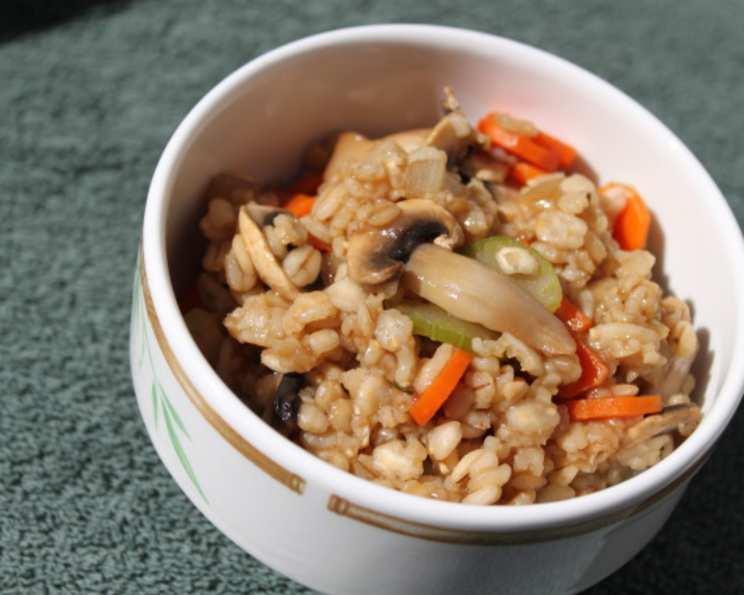
Oriental Garden Pilaf: A Taste of Unexpected Harmony
There are certain dishes that arrive in your life not with fanfare, but with a quiet whisper of necessity. For me, the Oriental Garden Pilaf was one such culinary encounter. It emerged from the pages of a Mother’s Quick Cooking Barley box, a box that was languishing in my pantry, primarily a victim of my own indecision. My initial impulse was purely utilitarian – to use up a surplus of celery that threatened to wilt into oblivion. Yet, as the fragrant steam rose from the skillet, carrying with it the savory notes of garlic and mushroom, I knew I had stumbled upon something far more delightful than mere pantry decluttering. It was a revelation, a testament to how simple ingredients, thoughtfully combined, can create a symphony of flavor.
Recipe Overview
- Prep Time: 15 minutes
- Cook Time: 25 minutes
- Total Time: 40 minutes
- Servings: 4
- Yield: Approximately 4 cups
- Dietary Type: Adaptable (Vegetarian/Vegan if vegetable broth and no animal protein added)
Ingredients
This pilaf relies on a straightforward yet impactful list of ingredients, each playing a crucial role in building its unique flavor profile.
- 1 1/3 cups chicken broth (or vegetable broth for a vegetarian option)
- 2/3 cup quick-cooking barley
- 1 tablespoon vegetable oil (or olive oil)
- 1/2 cup carrot, thinly sliced
- 1/2 cup celery, thinly sliced
- 1 clove garlic, minced
- 1/2 cup mixed mushrooms, sliced (such as cremini, shiitake, or button)
- 1/4 cup green onion, sliced (white and green parts)
- 1-2 tablespoons soy sauce (adjust to taste)
Equipment Needed
- Medium saucepan with a lid
- Large skillet
- Measuring cups and spoons
- Knife and cutting board
- Stirring spoon
Instructions
The beauty of this Oriental Garden Pilaf lies in its speed and simplicity. You can have a flavorful, wholesome dish on the table in under an hour, perfect for a weeknight meal.
- Prepare the Barley: In a medium saucepan, bring the chicken broth to a boil over medium-high heat. Once boiling, stir in the barley.
- Simmer the Barley: Reduce the heat to low, cover the saucepan, and simmer for 10 to 12 minutes, or until the barley is tender. Keep an eye on it, as quick-cooking barley can sometimes become mushy if overcooked. Once tender, remove it from the heat and let it sit, covered, while you prepare the vegetables.
- Sauté the Aromatics: In a large skillet, heat the vegetable oil over medium-high heat.
- Cook the Vegetables: Add the thinly sliced carrots, celery, and minced garlic to the hot skillet. Cook for 2 to 3 minutes, stirring frequently, until the vegetables are beginning to soften and the garlic is fragrant. Be careful not to burn the garlic.
- Incorporate Mushrooms and Green Onions: Add the sliced mixed mushrooms and green onions to the skillet. Continue cooking for another 1 minute, allowing the mushrooms to release some of their moisture and the green onions to slightly wilt.
- Combine and Season: Add the cooked barley from the saucepan to the skillet with the vegetables. Pour in the soy sauce.
- Mix and Heat Through: Mix everything together well, ensuring the soy sauce is evenly distributed. Continue cooking over medium heat for an additional 2 to 3 minutes, stirring occasionally, until the pilaf is heated through. This step allows the flavors to meld beautifully.
Expert Tips & Tricks
To elevate this simple pilaf from good to truly exceptional, consider these seasoned insights:
- Broth is Key: While chicken broth provides a rich foundation, don’t hesitate to use a good quality vegetable broth for a vegetarian or vegan rendition. For an extra layer of umami, consider a mushroom broth.
- Mushroom Medley: Don’t be afraid to experiment with different types of mushrooms. Shiitakes offer a deeper, woodier flavor, while oyster mushrooms add a delicate texture. Ensure they are sliced uniformly for even cooking.
- The Garlic Game: Mince your garlic finely. This ensures it distributes its pungent aroma throughout the dish without overpowering any single bite. A microplane can also be used for an even finer mince.
- Soy Sauce Nuance: Start with the lower end of the soy sauce measurement (1 tablespoon) and taste before adding more. Different brands of soy sauce vary in saltiness and intensity. You can also use a low-sodium soy sauce if preferred.
- Texture Play: If you prefer a softer pilaf, you can add a touch more broth during the final heating stage. For a firmer, more al dente texture, adhere strictly to the cooking times.
- Make-Ahead Potential: The barley can be cooked a day in advance and stored in the refrigerator. When ready to serve, sauté the vegetables and then add the pre-cooked barley and soy sauce, heating thoroughly. This can shave precious minutes off your prep time on a busy evening.
Serving & Storage Suggestions
This Oriental Garden Pilaf is wonderfully versatile. Serve it as a light main course, a flavorful side dish alongside grilled chicken, fish, or tofu, or even as a bed for stir-fries. The vibrant colors of the carrots and green onions make it visually appealing.
Storage:
- Room Temperature: It’s best not to leave the pilaf at room temperature for more than two hours, as it contains cooked vegetables and barley.
- Refrigeration: Leftovers can be stored in an airtight container in the refrigerator for up to 3-4 days.
- Freezing: While not ideal for optimal texture, the pilaf can be frozen. Ensure it’s completely cooled, then transfer to a freezer-safe container or bag. It should keep for 1-2 months.
- Reheating: To reheat, gently warm the pilaf in a skillet over medium-low heat with a tablespoon or two of water or broth to prevent drying. Alternatively, you can microwave it, stirring halfway through.
Nutritional Information
| Nutrient | Amount per Serving | % Daily Value |
|---|---|---|
| Calories | 186 kcal | |
| Total Fat | 4.7 g | 6% |
| Saturated Fat | 0.7 g | 4% |
| Cholesterol | 0 mg | 0% |
| Sodium | 533 mg | 23% |
| Total Carbohydrate | 30.2 g | 11% |
| Dietary Fiber | 6.4 g | 23% |
| Sugars | 1.7 g | 2% |
| Protein | 7.2 g | 14% |
| Calories from Fat | ~42 kcal |
Nutritional information is an estimate and can vary based on specific ingredients used.
Variations & Substitutions
The flexibility of this pilaf allows for countless creative interpretations.
- Protein Boost: For a heartier meal, add cooked shredded chicken, diced ham, or firm tofu cubes during the final heating stage.
- Spice it Up: Introduce a pinch of red pepper flakes when sautéing the vegetables for a subtle kick.
- Nutty Crunch: Toasted slivered almonds or sesame seeds can be stirred in at the end for added texture and flavor.
- Herbaceous Notes: Freshly chopped parsley or cilantro can be added as a garnish for a burst of freshness.
- Vegetable Garden: Feel free to incorporate other quick-cooking vegetables like peas, corn kernels, or diced bell peppers. Add them to the skillet with the carrots and celery.
FAQs
Q: Can I use regular barley instead of quick-cooking barley?
A: Yes, but you will need to adjust the cooking time significantly. Regular barley typically takes 40-50 minutes to cook, and you’ll likely need to add it to the boiling broth earlier in the process.
Q: What kind of broth is best for this pilaf?
A: Chicken broth offers a classic savory flavor. For a vegetarian or vegan option, vegetable broth is excellent. Mushroom broth can add an extra layer of earthy depth.
Q: How can I make this pilaf more savory?
A: You can enhance the savory notes by adding a splash of oyster sauce along with the soy sauce, or by using a richer, homemade broth. A small amount of nutritional yeast can also impart a cheesy, umami flavor if you’re aiming for a vegetarian dish.
Q: Can I prepare this pilaf ahead of time?
A: Yes, the barley can be cooked in advance. The entire dish can also be made ahead and reheated gently before serving.
Q: What if I don’t have fresh garlic?
A: You can substitute 1/4 teaspoon of garlic powder for the fresh garlic clove. Add it with the other vegetables during sautéing.
Final Thoughts
The Oriental Garden Pilaf is a testament to the power of simplicity and the joy of discovering unexpected culinary gems. It’s a dish that proves that a few humble ingredients, prepared with a touch of care, can yield extraordinary results. I encourage you to embrace its simplicity, perhaps with a slightly more generous hand on the soy sauce if you’re feeling adventurous, and to savor the delicate balance of textures and flavors. It pairs wonderfully with a crisp, dry white wine or a light, floral green tea. Give it a try, and I’m certain it will find a cherished spot in your recipe repertoire.