
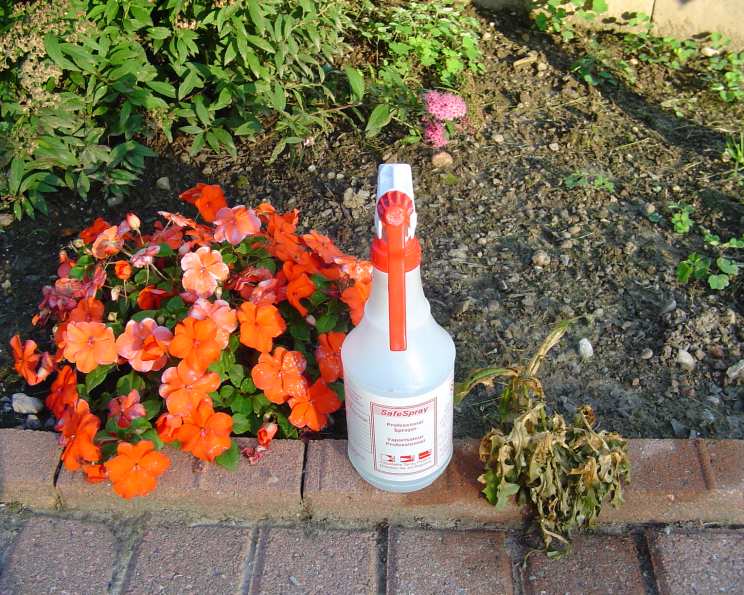
Nature’s Strong Arm: Tackling Unwanted Garden Invaders with a Homemade Organic Weed Killer
There’s a primal satisfaction in tending to a garden, in coaxing life from the soil and watching verdant beauty unfurl. Yet, with that joy comes a perennial battle, a silent war waged against those persistent, unwanted guests that seem to sprout overnight: weeds. I remember, as a young cook, my grandmother’s meticulous garden. It was a haven of fragrant herbs and plump vegetables, a testament to her dedication. But even she, with her almost magical green thumb, would sigh at the sight of dandelions stubbornly pushing through the cracks in her flagstone patio. She’d always mutter about “nature’s way of fighting back,” but also about needing a little extra help, a swift, yet gentle, intervention. It was during those summers, surrounded by the earthy scent of compost and the buzz of bees, that I first learned about this simple, yet remarkably effective, organic weed killer.
Recipe Overview
- Prep Time: 5 minutes
- Cook Time: 0 minutes
- Total Time: 5 minutes
- Servings: N/A (depends on area treated)
- Yield: 1 Liter (or as much as you make)
- Dietary Type: N/A (for external garden use only)
Ingredients
The beauty of this organic weed killer lies in its simplicity. You likely have everything you need right in your kitchen or pantry:
- 4 cups white vinegar
- 1/4 cup salt
- 2 teaspoons dish detergent
Equipment Needed
This recipe requires minimal equipment, making it an accessible solution for any gardener:
- A large mixing bowl or pitcher
- A measuring cup
- A measuring spoon
- A spoon or whisk for stirring
- A spray bottle or garden sprayer
- Gloves (recommended for protecting your hands)
- A funnel (optional, for easier pouring into the spray bottle)
Instructions
The preparation for this potent organic weed killer is as straightforward as it gets, embodying the principle of “less is more” when it comes to chemical intervention. This is a non-cook recipe, focusing purely on the effective combination of readily available household items.
- Combine the Vinegar and Salt: In your mixing bowl or pitcher, pour in the 4 cups of white vinegar. Then, carefully add the 1/4 cup of salt.
- Add the Dish Detergent: To the vinegar and salt mixture, add the 2 teaspoons of dish detergent. The dish detergent acts as a surfactant, helping the solution cling to the weed’s leaves and penetrate its waxy coating.
- Stir Thoroughly: Stir the ingredients together with a spoon or whisk until the salt has completely dissolved. This is crucial for ensuring an even distribution of the active ingredients.
- Transfer to Sprayer: Once well-mixed, use a funnel (if you have one) to carefully pour the solution into your spray bottle or garden sprayer.
- Apply to Weeds: Spray the mixture directly onto the leaves of the weeds you wish to eliminate. Aim for thorough coverage, ensuring each weed is coated.
Ho Ho goodbye weeds!
Expert Tips & Tricks
While this recipe is wonderfully simple, a few seasoned insights can elevate its effectiveness and your gardening experience.
- Timing is Key: The most effective time to apply this organic weed killer is on a warm, sunny, and dry day. The sun helps to accelerate the drying and wilting process, while the absence of rain ensures the solution doesn’t get washed away before it has a chance to work. Avoid spraying on windy days to prevent drift onto desirable plants.
- Target Specific Weeds: This mixture is potent and non-selective. It will kill any plant it comes into contact with, including grass, flowers, and vegetables. Therefore, it is best used in areas where you want to eliminate all vegetation, such as between patio stones, on gravel paths, or in cracks in driveways. Do not use it on your lawn or in your garden beds unless you are prepared to reseed or replant.
- Persistence Pays Off: While this organic weed killer is very effective, some stubborn or deeply rooted weeds might require repeat applications. The weeds will grow back, but then just spray them again. This is the nature of organic solutions; they work with natural processes and sometimes require a little patience and persistence.
- Vinegar Strength: The white vinegar used in this recipe is typically a 5% acidity solution. For tougher weeds, you might consider using horticultural vinegar, which has a higher acidity (10-20%), but exercise extreme caution as it is more corrosive and can be harsh on skin and eyes. Always wear protective gear if using a stronger vinegar.
- Salt Concentration: Be mindful of the salt concentration. While it aids in dehydrating the weeds, excessive salt can alter soil pH and harm beneficial microorganisms over time if applied too frequently or in large quantities to garden beds. This is why its use is primarily recommended for hardscaping and areas without desired plants.
- Dish Detergent’s Role: The dish detergent is not just for show; it breaks the surface tension of the liquid, allowing it to spread more evenly and adhere better to the waxy cuticle of weed leaves. This significantly enhances the contact and absorption of the vinegar.
Serving & Storage Suggestions
This is a product for immediate use, rather than something to be “served.” Once mixed, it’s ready to tackle those unwanted invaders.
- Application: Apply the weed killer using a spray bottle or garden sprayer directly onto the leaves of weeds. Ensure thorough coverage.
- Storage of Unused Mixture: If you have any mixture leftover and wish to store it, transfer it to a clearly labeled, tightly sealed container (like the original vinegar bottle or a dedicated plastic jug). Store it in a cool, dark place, away from children and pets. It is best to use the mixture within a few weeks for maximum efficacy, as the ingredients can degrade over time.
- Disposal of Excess: If you have a large amount of excess mixture that you don’t plan to use, dispose of it responsibly. Pouring it down a drain is generally acceptable as the ingredients are household substances, but avoid dumping large quantities directly onto soil where it could harm plants or soil organisms.
Nutritional Information
This organic weed killer is intended for external use and is not for consumption. Therefore, traditional nutritional information does not apply. However, for informational purposes regarding the household ingredients themselves:
| Nutrient | Amount per Serving (approx. 1 Liter) | % Daily Value (for household ingredients) |
|---|---|---|
| Calories | ~200.8 kcal | N/A |
| Calories from Fat | ~0 g | N/A |
| Total Fat | 0 g | 0% |
| Saturated Fat | 0 g | 0% |
| Cholesterol | 0 mg | 0% |
| Sodium | ~28341.1 mg (primarily from salt) | ~1180% |
| Total Carbohydrate | ~8.9 g (primarily from vinegar) | ~2% |
| Dietary Fiber | 0 g | 0% |
| Sugars | ~3.8 g (primarily from vinegar) | ~15% |
| Protein | 0 g | 0% |
Note: Nutritional values are estimated based on the primary ingredients (white vinegar, salt, and a small amount of dish detergent) and are for informational purposes only. This product is not intended for consumption.
Variations & Substitutions
While this recipe is tried and true, there are minor adjustments you might consider based on availability and specific needs, always keeping the non-selective nature of the spray in mind.
- Vinegar Strength: As mentioned, if standard white vinegar (5% acidity) isn’t proving potent enough for very stubborn weeds, you could carefully experiment with horticultural vinegar (10-20% acidity). Handle with extreme caution, wear protective gear, and dilute if necessary.
- Salt Type: While regular table salt (iodized or non-iodized) works well, some gardeners prefer to use kosher salt or Epsom salt. However, the primary function of the salt here is its dehydrating effect, and regular table salt is the most cost-effective and readily available option.
- Dish Detergent Alternatives: While standard dish detergent is the most common and effective choice for its surfactant properties, some people might look for eco-friendlier options. A mild liquid soap could potentially be used, but its effectiveness might vary. Avoid heavy-duty cleaners or those with added degreasers, as they could be overly harsh or contain unwanted chemicals.
FAQs
Q: Will this organic weed killer kill my grass?
A: Yes, this mixture is non-selective and will kill any plant it comes into contact with, including grass. It is best used in areas where you want to clear all vegetation.
Q: How quickly will I see results?
A: You should start to see results within 24-48 hours, especially on a sunny day, as the weeds will begin to wilt and turn brown.
Q: Can I use this in my vegetable garden?
A: It is not recommended for use in vegetable gardens or around desirable plants, as it will kill them too. If weeds sprout in your garden, hand-pulling or careful spot treatment with a very targeted approach is safer.
Q: Is this safe for pets and children?
A: While the ingredients are common household items, the mixture can be irritating. It’s best to keep pets and children away from treated areas until the spray has dried completely. Always store the mixture out of reach.
Q: Why does the salt and vinegar work?
A: The vinegar‘s acidity dehydrates the plant’s leaves, and the salt further draws moisture out, effectively killing the weed. The dish detergent helps the solution stick to the leaves for better absorption.
Final Thoughts
There’s a certain elegance in harnessing the power of simple, readily available ingredients to achieve a desired outcome, and this organic weed killer is a perfect example. It reminds us that effective solutions don’t always require complex formulations or expensive purchases. It’s a gardener’s ally, a testament to the power of nature’s own chemistry, enhanced just slightly by our own hands. So, the next time you find those tenacious weeds attempting to commandeer your patio or driveway, reach for this simple blend. Embrace the satisfaction of a chemical-free solution and enjoy the clean, weed-free spaces it creates. Happy gardening, and may your paths be clear!