
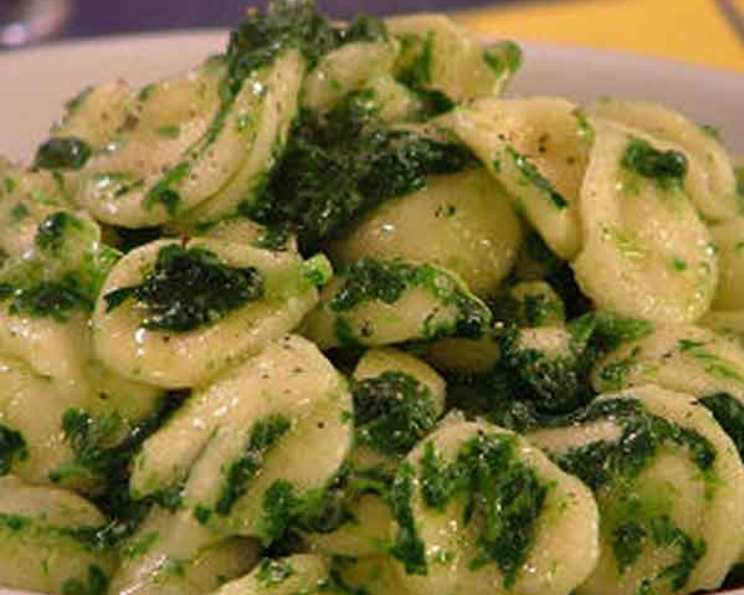
Orecchiette con le Cime di Rapa: A Taste of Puglia
The aroma of garlic, the subtle bitterness of rapini, and the delightful chew of orecchiette – this is the scent of pure culinary joy. I first encountered this dish years ago, not in some pristine Michelin-starred establishment, but in a bustling market in Bari, the heart of Puglia. It was served from a tiny, ancient butcher shop, the kind where generations of families have honed their craft. The owner, a formidable woman named Leda Monzari, presented it with a flourish, a dish so simple yet profoundly satisfying. The unique, slightly peppery notes of the cime di rapa (Italian broccoli rabe) were a revelation, a stark contrast to the more common, milder greens I was accustomed to. While I may not have Leda’s 150-year-old butcher shop at my disposal here in Moscow, this recipe, brought to me by John Ortega, captures that authentic Southern Italian spirit, promising a memorable experience for anyone who tries it.
Recipe Overview
- Prep Time: 15 minutes
- Cook Time: 30 minutes
- Total Time: 45 minutes
- Servings: 4-6
- Yield: 4-6 servings
- Dietary Type: Pescatarian (can be made vegetarian/vegan)
Ingredients
- 2 cups orecchiette pasta
- 1 lb broccoli rabe (also known as cime di rapa or Italian broccoli), trimmed
- 3 garlic cloves, thinly sliced
- 5 anchovy slices (packed in oil), drained
- Olive oil, for sautéing
- Salt, for boiling water
- Hot chili pepper flakes, to taste (optional)
- Cherry tomatoes, halved (optional)
Equipment Needed
- Large pot for boiling pasta and blanching broccoli rabe
- Large non-stick skillet or sauté pan
- Colander or spider strainer
Instructions
- Begin by preparing the broccoli rabe. Wash it thoroughly and trim off any tough, woody stems. You want to focus on the tender leaves and florets. Chop the broccoli rabe into bite-sized pieces.
- Fill a large pot with water and add a generous amount of salt. Bring the water to a rolling boil over high heat.
- Add the chopped broccoli rabe to the boiling salted water. Cook for approximately 3 to 5 minutes, or until the broccoli rabe is tender but still retains a vibrant green color. Be careful not to overcook it, as it can become mushy.
- While the broccoli rabe is cooking, heat a generous amount of olive oil in a large non-stick skillet over medium heat.
- Add the thinly sliced garlic cloves to the hot olive oil. Cook, stirring frequently, until the garlic is fragrant and just beginning to turn a pale golden brown. Be vigilant; garlic can burn quickly.
- Add the anchovy slices to the skillet with the garlic. Stir and mash the anchovies with the back of your spoon, allowing them to dissolve into the olive oil. This creates a deeply savory base for the sauce.
- If you are using hot chili pepper flakes, add them to the skillet at this point, along with the optional cherry tomatoes. Cook for another minute, allowing the flavors to meld.
- Once the broccoli rabe has reached the desired tenderness, use a slotted spoon or spider strainer to carefully remove it from the boiling water. Reserve the green water in the pot; this is crucial for cooking the pasta.
- Add the orecchiette pasta to the same pot containing the reserved green broccoli rabe water. Bring the water back to a boil and cook the orecchiette according to the package directions, or until al dente. The orecchiette should be tender with a slight bite.
- When the orecchiette is cooked, drain any excess water, reserving a small amount of the pasta water, just in case.
- Add the drained orecchiette directly into the skillet with the garlic, anchovy, and chili flake mixture.
- Add the blanched and chopped broccoli rabe to the skillet with the pasta.
- Toss everything together vigorously over medium heat, ensuring the pasta and broccoli rabe are well coated with the flavorful olive oil mixture. If the pasta seems a little dry, add a splash of the reserved pasta water to create a light sauce that clings to the ingredients.
- Continue to toss for another 1 to 2 minutes, allowing the flavors to meld and the pasta to absorb some of the delicious sauce.
- Serve immediately, piping hot.
Expert Tips & Tricks
The beauty of this dish lies in its simplicity, but a few professional touches can elevate it further. When selecting your broccoli rabe, opt for bunches with bright green leaves and firm florets; avoid anything yellowed or wilted. Trim the broccoli rabe judiciously, focusing on the tender parts. The slightly bitter, peppery notes are what give this dish its character, so don’t be afraid of them. For an extra layer of depth, you can lightly toast the garlic slices in the olive oil before adding the anchovies, but be extremely careful not to burn them. The reserved green broccoli rabe water is liquid gold – its starches help to emulsify the sauce and bind it to the pasta, so never discard it all. If you find the anchovies too potent, you can use fewer, or even omit them entirely if you are making a vegetarian version, but they are integral to the authentic flavor profile. A good quality olive oil is paramount here, as it’s a primary flavor component.
Serving & Storage Suggestions
This dish is best enjoyed immediately after preparation when the flavors are at their peak and the pasta is perfectly al dente. Serve it in warm bowls, perhaps with a final drizzle of your best extra virgin olive oil. While this dish is not ideal for long-term storage, any leftovers can be kept in an airtight container in the refrigerator for up to 1 to 2 days. Reheat gently in a skillet over low heat with a splash of water or olive oil to prevent it from drying out. Avoid microwaving if possible, as it can make the pasta mushy.
Nutritional Information
| Nutrient | Amount per Serving | % Daily Value |
|---|---|---|
| Calories | 236.1 kcal | N/A |
| Calories from Fat | N/A | N/A |
| Total Fat | 12 g | 15% |
| Saturated Fat | 1.4 g | 7% |
| Cholesterol | 0 mg | 0% |
| Sodium | 41.2 mg | 2% |
| Total Carbohydrate | 45.8 g | 17% |
| Dietary Fiber | 4.9 g | 18% |
| Sugars | 1.9 g | 2% |
| Protein | 11 g | 22% |
Note: Nutritional values are estimates and can vary based on specific ingredients and portion sizes.
Variations & Substitutions
For a vegetarian or vegan rendition, simply omit the anchovies. To boost the flavor, you can add a pinch of red pepper flakes for heat and a tablespoon of nutritional yeast for a cheesy undertone. If broccoli rabe is unavailable in your region, you can substitute with regular broccoli florets, blanching them until tender. However, be aware that this will significantly alter the characteristic bitter flavor of the dish. Some chefs enjoy adding a sprinkle of toasted breadcrumbs for added texture, which can be achieved by toasting panko or regular breadcrumbs in a dry skillet until golden brown.
FAQs
Q: Where can I find orecchiette pasta?
A: Orecchiette pasta, meaning “little ears” in Italian, is widely available in most well-stocked supermarkets, Italian specialty stores, and online.
Q: My broccoli rabe is very bitter. How can I reduce the bitterness?
A: The bitterness is intentional and part of the dish’s charm. However, if it’s too pronounced for your liking, you can blanch the broccoli rabe for an extra minute or two in the boiling water. Some also suggest adding a pinch of sugar to the pasta water, though this is less traditional.
Q: Can I use regular broccoli instead of broccoli rabe?
A: Yes, you can, but the flavor profile will be different. Regular broccoli is milder and sweeter. You’ll want to use the florets and tender parts of the stem.
Q: How important are the anchovies?
A: Anchovies provide a deep, savory umami flavor that is traditional to this dish. While you can omit them for a vegetarian version, they contribute significantly to the authentic taste.
Q: What makes the pasta stick to the sauce so well?
A: The starch released from the orecchiette as it cooks in the reserved broccoli rabe water helps to create a slightly emulsified sauce that clings beautifully to the pasta and vegetables.
Final Thoughts
This Orecchiette con le Cime di Rapa is more than just a pasta dish; it’s a culinary journey to the sun-drenched heel of Italy. It’s a testament to how simple, honest ingredients, prepared with care, can create something truly extraordinary. I encourage you to embrace the delightful bitterness of the broccoli rabe and the satisfying chew of the orecchiette. Make it for a casual weeknight dinner or a gathering of friends – it’s a dish that sparks conversation and brings people together. Serve it with a crisp, dry white wine like a Vermentino or a light-bodied red for a truly authentic Puglian experience. Buon appetito!