
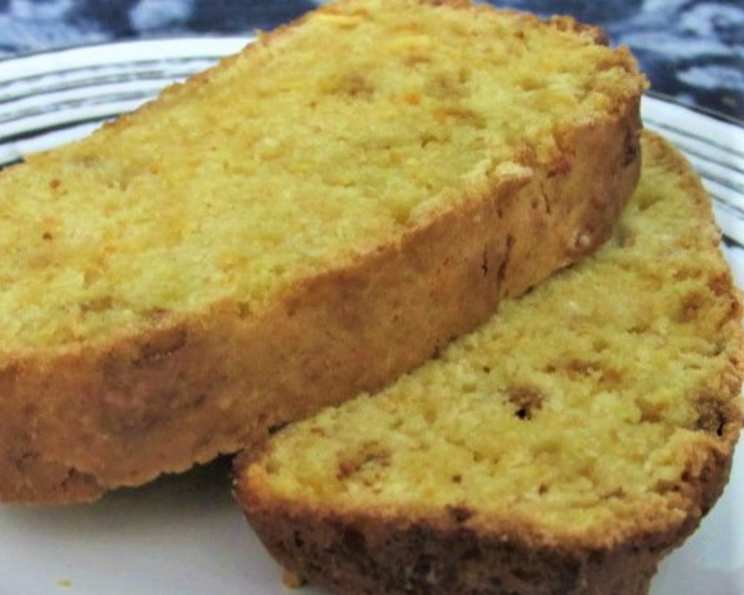
A Slice of Sunshine: My Favorite Orange Tea Bread
There are certain recipes that, for me, evoke a specific season or memory with an almost Proustian intensity. This Orange Tea Bread is one of them. Every time I bake it, I’m transported back to my grandmother’s kitchen, the air thick with the sweet, citrusy aroma, a comforting hum of her old radio in the background. It was a staple during our holiday gatherings, a simple yet elegant treat that always garnered rave reviews. That first bite – a tender crumb kissed with bright orange zest and a subtle nuttiness – is pure nostalgia, a testament to the power of good home baking.
Recipe Overview
- Prep Time: 15 minutes
- Cook Time: 50-60 minutes
- Total Time: 1 hour 5 minutes – 1 hour 15 minutes
- Servings: 8-10 slices
- Yield: 1 loaf
- Dietary Type: Vegetarian
Ingredients
The beauty of this Orange Tea Bread lies in its simplicity, relying on pantry staples to create something truly special.
- 2 cups all-purpose flour
- 1/2 cup sugar
- 1 teaspoon salt
- 1 teaspoon baking soda
- 1 egg, beaten
- 1/4 cup butter, melted
- 1 teaspoon grated orange rind
- 1 teaspoon grated lemon rind
- 1 cup orange juice
- 1 cup chopped pecans
Ingredient Notes:
- Orange Rind: Zest your oranges before juicing them. A microplane or a fine grater works best to capture that fragrant oil without getting into the bitter white pith.
- Lemon Rind: The lemon zest adds a subtle counterpoint to the sweetness of the orange, brightening the overall flavor profile.
- Pecans: For an extra toasty flavor, you can lightly toast the pecans before chopping. However, they are equally delicious raw.
Equipment Needed
- 9×5 inch loaf pan
- Large mixing bowl
- Medium mixing bowl
- Whisk
- Spatula or wooden spoon
- Measuring cups and spoons
- Oven
- Wire cooling rack
Instructions
This recipe is wonderfully straightforward, making it an ideal choice for both novice bakers and seasoned pros looking for a reliable, crowd-pleasing loaf.
- Preheat your oven to 350°F (175°C). This moderate temperature ensures the bread bakes through without drying out.
- Grease and flour your 9×5 inch loaf pan. A well-greased pan is crucial for easy release of the finished bread. You can also line the pan with parchment paper for extra security.
- In a large mixing bowl, combine the dry ingredients: 2 cups of all-purpose flour, 1/2 cup of sugar, 1 teaspoon of salt, and 1 teaspoon of baking soda. Whisk them together thoroughly to ensure the leavening agent and salt are evenly distributed. This step is key to a uniform rise.
- In a separate medium mixing bowl, add the 1 beaten egg, 1/4 cup of melted butter, 1 teaspoon of grated orange rind, and 1 teaspoon of grated lemon rind. Whisk these wet ingredients together until they are well combined.
- Pour the wet ingredients into the bowl with the dry ingredients.
- Add the 1 cup of orange juice and 1 cup of chopped pecans to the same bowl.
- Mix everything together until just combined. Be careful not to overmix; a few streaks of flour are acceptable. Overmixing can develop the gluten too much, resulting in a tough loaf. The batter will be thick.
- Pour the batter into the prepared 9×5 inch loaf pan, spreading it evenly.
- Bake in the preheated oven at 350°F (175°C) for 50-60 minutes.
- To check for doneness, insert a wooden skewer or toothpick into the center of the loaf. If it comes out clean, the bread is ready. If it has wet batter on it, continue baking for another 5-10 minutes and test again.
- Once baked, remove the loaf from the oven and let it cool in the pan on a wire cooling rack for about 10-15 minutes.
- After the initial cooling, carefully invert the loaf onto the wire cooling rack to cool completely. This is important; slicing warm bread can cause it to crumble.
Expert Tips & Tricks
- Room Temperature Ingredients: While not strictly necessary for this recipe due to the melted butter and orange juice, using room temperature eggs and butter can sometimes lead to a more cohesive batter. However, the melted butter here will integrate perfectly.
- Zest Wisely: For the most vibrant citrus flavor, always zest your citrus fruits before you juice them. This preserves the essential oils that carry the most aroma and taste.
- Don’t Overbake: The biggest enemy of a moist quick bread is overbaking. Start checking for doneness at the lower end of the baking time (50 minutes). Loaves baked in different ovens can vary.
- Even Cooling: Allowing the bread to cool completely on a wire rack is essential for achieving a good texture and preventing a soggy bottom. The air circulation helps it firm up.
- Pan Size Matters: Using the specified 9×5 inch loaf pan ensures the bread bakes evenly. A smaller pan might cause overflow, while a larger one could result in a thinner, overcooked loaf.
Serving & Storage Suggestions
This Orange Tea Bread is wonderfully versatile. It’s perfect served simply on its own, perhaps with a light dusting of powdered sugar for an elegant touch. It’s also delightful alongside a cup of tea (hence the name!), coffee, or even a glass of milk.
For storage, allow the bread to cool completely before wrapping it tightly in plastic wrap or aluminum foil, or store it in an airtight container. At room temperature, it will stay fresh for 2-3 days. If you live in a warmer climate or want to extend its life, refrigerating it will keep it fresh for up to a week. You can bring refrigerated bread back to room temperature by letting it sit out for about 30 minutes, or by warming it gently in a low oven (around 300°F or 150°C) for a few minutes. For longer storage, freezing is an excellent option. Wrap the cooled loaf tightly in both plastic wrap and then a layer of aluminum foil, or use a freezer-safe bag. It will keep well in the freezer for up to 2-3 months. Thaw at room temperature or gently reheat.
Nutritional Information
The following is an estimated nutritional breakdown for one serving of this Orange Tea Bread. Please note that these values can vary based on specific ingredient brands and precise measurements.
| Nutrient | Amount per Serving | % Daily Value |
|---|---|---|
| Calories | 280 kcal | 14% |
| Total Fat | 12 g | 15% |
| Saturated Fat | 4 g | 20% |
| Cholesterol | 40 mg | 13% |
| Sodium | 250 mg | 11% |
| Total Carbohydrate | 40 g | 15% |
| Dietary Fiber | 2 g | 7% |
| Total Sugars | 20 g | 40% |
| Protein | 4 g | 8% |
| Vitamin C | 15% | |
| Calcium | 4% | |
| Iron | 6% |
Variations & Substitutions
While this recipe is wonderfully classic, it’s also a great canvas for a few creative tweaks.
- Citrus Swap: If you don’t have oranges, you can use grapefruit juice and grapefruit zest for a more tart and tangy loaf. A mix of orange and lemon juice also works beautifully.
- Nut-Free: For those with nut allergies or preferences, simply omit the chopped pecans. The bread will still be delicious and moist.
- Add-Ins: Consider adding 1/2 cup of dried cranberries or raisins along with the pecans for bursts of chewy sweetness. A teaspoon of ground cinnamon or cardamom could also complement the orange flavor beautifully.
- Glaze: For a sweeter finish, whisk together 1 cup of powdered sugar with 2-3 tablespoons of orange juice until smooth. Drizzle this glaze over the completely cooled loaf.
FAQs
Q: Why is my tea bread dry?
A: Dryness is usually a result of overbaking or using too much flour. Ensure you’re baking until a toothpick comes out clean and avoid overmixing the batter.
Q: Can I make this recipe without eggs?
A: This recipe relies on the egg for binding and richness. While egg substitutes might work, the texture and structure could be significantly altered. It’s best to stick to the original for this particular recipe.
Q: My loaf overflowed the pan. What went wrong?
A: This usually happens if the pan is too small, the batter is over-mixed, or the oven temperature is too high. Ensure you’re using a 9×5 inch loaf pan and baking at the correct temperature.
Q: How can I make sure the pecans are evenly distributed?
A: Tossing the chopped pecans with a tablespoon of the flour mixture before adding them to the wet ingredients can help prevent them from sinking to the bottom during baking.
Q: Can I use bottled orange juice instead of fresh?
A: Yes, bottled orange juice will work perfectly fine. For the zest, always use fresh oranges for the best flavor.
A Cherished Classic
This Orange Tea Bread is more than just a recipe; it’s a warm embrace, a comforting aroma, and a tangible connection to cherished memories. It’s the perfect accompaniment to a quiet afternoon with a book and a cup of tea, a welcome addition to a brunch spread, or a delightful treat to share with loved ones. I encourage you to give this slice of sunshine a try. I have no doubt it will bring a smile to your face and warmth to your kitchen, just as it has to mine for so many years. Enjoy every tender, citrusy bite.