
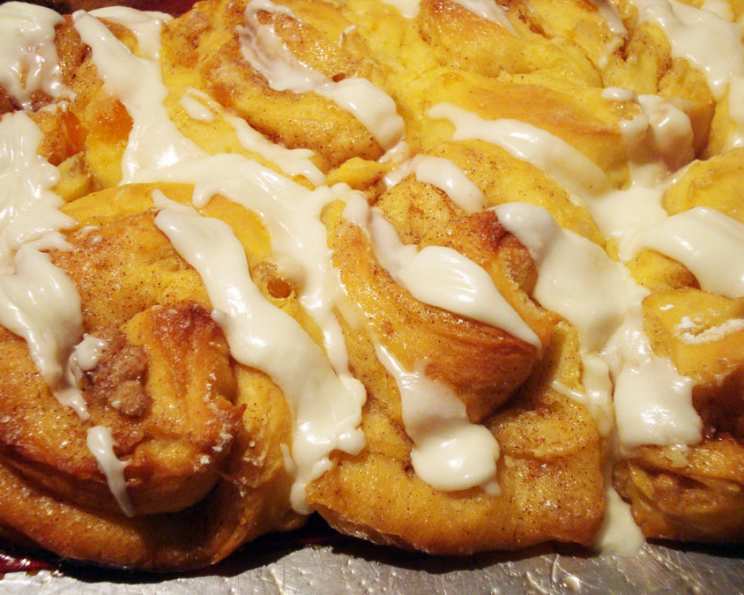
Sunshine in a Roll: My Dearest Orange Rolls
There are certain aromas that instantly transport me back to my grandmother’s kitchen, and the bright, zesty scent of oranges baking is one of them. I remember waking up on Saturday mornings to the promise of these tender, sweet rolls, their citrusy perfume weaving through the house like a sunbeam. She’d let me help sprinkle the sugar and zest, my small hands fumbling with the orange peel, creating little flecks of sunshine to be baked into our breakfast. Those rolls weren’t just food; they were pure comfort, a warm hug on a plate, and a testament to the simple joys of home baking.
Recipe Overview
- Prep Time: 2 hours 15 minutes (includes rising time)
- Cook Time: 8-10 minutes
- Total Time: 2 hours 23 minutes (approximate)
- Servings: 36 rolls
- Yield: 3 dozen rolls
- Dietary Type: Contains Dairy, Eggs, Gluten, Wheat
Ingredients
For the Dough:
- 1 ¼ cups milk
- ½ cup butter
- ½ cup sugar
- 1 teaspoon salt
- 1 tablespoon active dry yeast (approximately 1 packet)
- 2 eggs, slightly beaten
- ½ cup fresh orange juice, divided
- 3 tablespoons orange rind (orange zest), divided
- 5 cups flour, approximately
For the Glaze:
- 2 cups powdered sugar
- ¼ cup fresh orange juice
- 1 tablespoon orange rind (orange zest)
Equipment Needed
- Medium saucepan
- Large mixing bowl
- Measuring cups and spoons
- Whisk
- Electric mixer (optional, but helpful for initial dough mixing)
- Clean kitchen towels or plastic wrap
- Greased bowl for rising
- Lightly floured surface for kneading
- Rolling pin
- Sharp knife or pizza cutter
- Greased baking sheets
- Small bowl for glaze
Instructions
- Prepare the Dough Base: Begin by gently heating the milk in a medium saucepan over low heat. You want to scald it, which means heating it until it’s hot but not boiling. Immediately remove it from the heat and stir in the butter, sugar, and salt until the butter has melted and everything is well combined.
- Temper and Activate Yeast: Let this milk mixture cool to lukewarm. This is a crucial step, as water that is too hot will kill the yeast, and water that is too cool won’t activate it properly. You’re aiming for a temperature that feels comfortable to the touch, similar to a baby’s bath. Once lukewarm, stir in the active dry yeast. Allow this mixture to sit for about 5-10 minutes. You should see it become foamy and bubbly on the surface, indicating that the yeast is active and alive.
- Incorporate Wet Ingredients: To the activated yeast mixture, stir in the slightly beaten eggs, ¼ cup of the fresh orange juice, and 2 tablespoons of the orange rind. Mix these together thoroughly until they are well incorporated.
- Build the Dough: Now it’s time to add the flour. Start by adding 2 cups of the flour to the wet ingredients. Beat this mixture well, either with a whisk, a spoon, or an electric mixer with a dough hook, until it’s smooth and the flour is mostly incorporated.
- Achieve the Right Consistency: Gradually add more flour, about ½ cup at a time, stirring until the dough becomes stiff enough to handle. The key here is to keep the dough soft and pliable. Avoid adding too much flour, as this can result in tough rolls. You want it to be just slightly sticky, but manageable. The original recipe calls for approximately 5 cups of flour in total.
- Kneading the Dough: Transfer the dough to a lightly floured surface. Begin to knead the dough until it becomes smooth and elastic. This process develops the gluten in the flour, which gives the rolls their characteristic chewy texture. Kneading by hand usually takes about 8-10 minutes. You’ll know it’s ready when it springs back slowly when gently pressed.
- First Rise: Lightly grease a large mixing bowl with a bit of butter or cooking spray. Place the kneaded dough into the greased bowl, turning it once to coat the entire surface. Cover the bowl tightly with a clean kitchen towel or plastic wrap. Allow the dough to rise in a warm place until it has doubled in bulk. This typically takes about 2 hours, but can vary depending on the temperature of your room. A good test is to gently poke the dough with your finger; if the indentation remains, it’s ready.
- Punch Down and Divide: Once doubled, knead down the dough to release the air. This process is called “punching down” and it helps to redistribute the yeast and create a finer texture in the finished rolls. Divide the dough into 3 equal portions.
- Shape the Rolls: Take each portion of dough and roll it into a circle approximately 12 inches in diameter. Using a sharp knife or pizza cutter, cut each circle into 12 equal wedges, much like slicing a pizza.
- Roll Them Up: For each wedge, begin at the widest end and roll it up tightly towards the small point. This will create a spiral shape.
- Prepare for Second Rise: Place the rolled-up wedges onto a greased baking sheet, making sure the tip side is down. This helps to keep the rolls from unrolling as they bake. Arrange them with a little space between each one, as they will expand.
- Second Rise: Cover the baking sheets loosely with plastic wrap or a clean kitchen towel. Allow the rolls to rise again until double in bulk. This second rise will be quicker than the first, usually taking around 30-45 minutes, depending on the warmth of your kitchen.
- Bake to Perfection: Preheat your oven to 400 degrees Fahrenheit (200 degrees Celsius). Once the rolls have doubled in size, bake them for 8-10 minutes, or until they are lightly brown on top. Keep a close eye on them, as they bake quickly at this temperature.
- Prepare the Glaze: While the rolls are still warm, prepare the glaze. In a small bowl, combine the powdered sugar with the remaining ¼ cup of fresh orange juice and the remaining 1 tablespoon of orange rind. Stir until the mixture is smooth. If it’s too thick, add a tiny bit more orange juice; if it’s too thin, add a little more powdered sugar.
- Glaze and Serve: Drizzle the glaze generously over the warm rolls. The warmth of the rolls will help the glaze melt slightly and create a beautiful, shiny coating. Serve these delightful orange rolls warm or cold.
Expert Tips & Tricks
The key to exceptional orange rolls lies in the dough’s texture and the vibrant flavor infusion. Don’t be afraid to get your hands in there during the kneading process; it’s incredibly satisfying and tells you a lot about the dough’s development. When measuring your flour, spoon it into the cup and level it off with a straight edge, rather than scooping directly from the bag, as this prevents packing too much flour, which can lead to dry rolls. For an even more intense orange flavor, consider adding a touch of orange extract to the glaze. If you find your kitchen is a bit chilly for rising, you can place the covered dough bowl in a turned-off oven with the light on. This creates a wonderfully warm, draft-free environment.
Serving & Storage Suggestions
These orange rolls are a dream served warm, fresh from the oven, with a generous drizzle of the tangy glaze. They pair beautifully with a cup of hot coffee or tea, and are a delightful addition to any brunch spread. If you find yourself with leftovers, which is unlikely once people taste them, they can be stored in an airtight container at room temperature for up to 2 days. For longer storage, you can place them in the refrigerator, where they will keep for up to 5 days. To reheat, gently warm them in a low oven (around 300°F/150°C) for a few minutes, or microwave them for about 15-20 seconds, just until warmed through.
Nutritional Information
| Nutrient | Amount per Serving | % Daily Value |
|---|---|---|
| Calories | 135 kcal | N/A |
| Total Fat | 3.3 g | 5% |
| Saturated Fat | 1.9 g | 9% |
| Cholesterol | 19.7 mg | 6% |
| Sodium | 91.4 mg | 3% |
| Total Carbohydrate | 23.7 g | 7% |
| Dietary Fiber | 0.6 g | 2% |
| Sugars | 9.7 g | 38% |
| Protein | 2.6 g | 5% |
(Note: Nutritional information is an estimate and can vary based on specific ingredients and portion sizes.)
Variations & Substitutions
For a lighter version, as the original note suggests, you can reduce the butter to 2 tablespoons. Be aware that this will result in a slightly chewier texture, but the flavor will still be wonderful. If you’re looking for a dairy-free option, you could try using a plant-based milk like almond or soy milk and a dairy-free butter substitute. The flavor profile might shift slightly, but it’s a worthwhile experiment for those with dietary restrictions. You could also play with the citrus element by using a mix of orange and lemon juice and zest for a more complex citrus note.
FAQs
Q: Why do I need to scald the milk for these rolls?
A: Scalding the milk helps to denature certain proteins that can interfere with the yeast’s activity, leading to a better dough rise and a more tender final product.
Q: My dough isn’t doubling in size. What could be wrong?
A: The most common culprit is inactive yeast or a temperature that is too cold for rising. Ensure your yeast is fresh and that you’re allowing the dough to rise in a sufficiently warm spot.
Q: Can I make these rolls ahead of time?
A: Yes! You can prepare the dough, let it do its first rise, shape the rolls, and then refrigerate them overnight before baking. Let them come to room temperature for about 30 minutes before baking.
Q: The glaze seems too thick. What should I do?
A: Add a teaspoon of fresh orange juice at a time, stirring well after each addition, until you reach your desired drizzling consistency.
Q: Can I freeze the baked orange rolls?
A: Absolutely! Once completely cooled, wrap them tightly in plastic wrap and then in aluminum foil, or place them in a freezer-safe container. They can be frozen for up to 2-3 months. Thaw them at room temperature and gently reheat if desired.
Final Thoughts
These orange rolls are a little burst of sunshine, a sweet and tangy delight that brings a smile to everyone’s face. They embody the spirit of home baking – simple, comforting, and incredibly rewarding. Whether you’re serving them for a special brunch, a family dinner, or just as a sweet treat to brighten your day, I encourage you to give them a try. I’d love to hear about your own baking adventures and how these rolls turn out for you. Perhaps they’ll become a cherished family tradition in your home, just as they have in mine. Enjoy every fragrant, citrusy bite!