
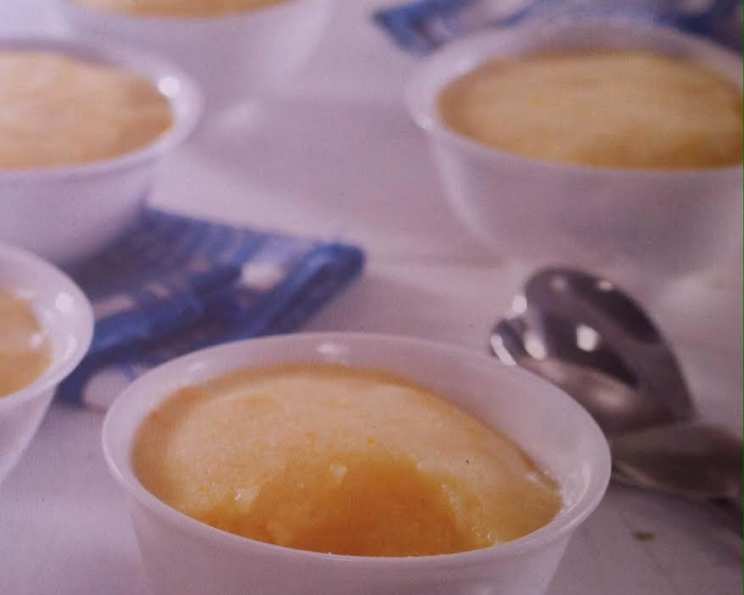
A Taste of Sunshine: My Grandmother’s Orange Pudding
There are certain desserts that transport me back in time, and this Orange Pudding is one of them. I can vividly recall my grandmother’s kitchen, the air thick with the sweet, citrusy perfume of oranges, a prelude to Sunday lunch. It was a ritual, this pudding. As a young cook, maybe around 13, I’d be entrusted with making it, a task I approached with immense pride. My family’s delight, their eager anticipation and contented sighs after each spoonful, cemented this recipe in my heart. It’s a testament to how simple, honest ingredients, treated with a little care, can create something truly magical.
Recipe Overview
- Prep Time: 20 minutes
- Cook Time: 5 minutes (for dissolving gelatin) + 10 minutes (for whisking)
- Chill Time: At least 2 hours
- Total Time: Approximately 2 hours 30 minutes (including chilling)
- Servings: 6
- Yield: 6 individual puddings
- Dietary Type: Contains eggs and dairy
Ingredients
This recipe celebrates the vibrant essence of fresh oranges, complemented by the silken texture that gelatin and eggs provide.
- 1 fresh orange
- 500 ml orange juice (freshly squeezed is ideal, but high-quality store-bought will work)
- 60 ml cold water
- 25 ml gelatin powder
- 60 ml boiling water
- 3 large eggs, separated carefully
- 200 ml granulated sugar
Equipment Needed
While this recipe doesn’t demand elaborate equipment, having the right tools will make the process smoother.
- Fine grater (microplane is excellent)
- Citrus juicer (manual or electric)
- Measuring jug
- Small heatproof cup or bowl (for gelatin)
- Teaspoon
- Two mixing bowls (one medium, one large)
- Electric hand mixer (or a very strong arm and a whisk!)
- Vegetable knife
- Spoons (teaspoon and tablespoon)
- Pudding bowls or ramekins for serving
Instructions
Crafting this Orange Pudding is a delightful journey, step by step, leading to a dessert that’s both refreshing and satisfying.
-
Prepare the Orange Rind: Begin by giving your orange a thorough wash under cold water. Pat it completely dry with a clean kitchen towel. Using the finest grid of your grater (a microplane is perfect here), carefully grate the outer yellow rind of the orange. You want to avoid grating any of the bitter white pith. Once grated, gently collect the zest with a fork. You’re aiming for approximately 5 ml of zest, which will resemble an oily, fragrant pulp. Set this aside.
-
Juice the Orange: Halve the orange with a sharp vegetable knife. Squeeze the juice from both halves using your citrus juicer. Pour the freshly squeezed juice into a measuring jug. Add more orange juice, either freshly squeezed or from your carton, until you reach precisely 500 ml.
-
Bloom the Gelatin: In a small tea cup or a heatproof bowl, measure out 60 ml of cold water. Sprinkle the gelatin powder evenly over the surface of the cold water. Let it sit undisturbed for at least 5 minutes. This process, known as blooming, allows the gelatin to absorb the water and thicken into a jelly-like consistency.
-
Dissolve the Gelatin: Once the gelatin has bloomed, carefully pour 60 ml of boiling water over it. Stir gently with a teaspoon until the gelatin is completely dissolved and the mixture becomes clear. It’s crucial that all the granules have disappeared; this ensures a smooth pudding.
-
Separate the Eggs: Now, it’s time to separate the eggs. Do this very carefully. Crack each egg and, using the shell or your fingers, separate the egg yolks and place them in your large mixing bowl. The egg whites should go into a separate, clean, small mixing bowl. Ensure no yolk contaminates the whites, as this can prevent them from whisking properly.
-
Whip the Egg Yolks and Sugar: With your electric hand mixer (or whisk), begin to beat the egg yolks. Gradually add the sugar, about 1 tablespoon at a time, while continuing to whisk. Keep beating until the mixture becomes pale yellow, creamy, and noticeably light and fluffy. This process incorporates air and creates a rich base for the pudding.
-
Incorporate Orange Flavor: To the whipped yolk and sugar mixture, add the reserved orange rind (from step 1) and the orange juice (from step 2). Stir gently with a tablespoon to combine. Next, add the dissolved gelatin mixture (from step 4) and stir thoroughly until everything is well incorporated.
-
Partially Set the Pudding: Carefully place the bowl containing the orange mixture into the refrigerator. You need to let it chill until it has partly set. This is a critical stage. To check if it’s ready, insert a spoon into the mixture. If it holds its shape slightly and the spoon leaves a distinct trail, it has reached the correct consistency. It should be thick but not yet firm. This usually takes about 30-60 minutes, depending on your refrigerator.
-
Whip the Egg Whites: While the pudding mixture is chilling, wash and thoroughly dry your whisk or electric mixer attachments. Add the egg whites to the clean, dry bowl. Whisk them vigorously until they form stiff peaks. This means that when you lift the whisk, the egg whites stand up straight and hold their shape without collapsing. Be careful not to whisk any longer once stiff peaks form, as over-whipped whites can become dry and difficult to fold.
-
Fold in Egg Whites: Once the orange pudding mixture has partly set, retrieve it from the refrigerator. Using the same whisk (no need to wash it, as per tradition!), give the partly set pudding a quick whisk to loosen it up slightly. Then, using a tablespoon, carefully fold the stiffly whisked egg whites into the thickened orange pudding. Use a gentle, lifting and turning motion. The aim is to incorporate the air from the egg whites without deflating them. DO NOT STIR vigorously; this will flatten the pudding and reduce its airy texture.
-
Chill to Set: Gently pour the prepared orange dessert into individual pudding bowls or ramekins. Cover them loosely with plastic wrap or small plates. Place them back into the refrigerator and allow the puddings to set properly. This will typically take at least another 1-2 hours, or until they are firm to the touch.
-
Serve: Once fully set, your Orange Pudding is ready to be enjoyed.
Expert Tips & Tricks
As a chef, I always look for ways to elevate a dish, even a simple one. Here are a few insights for your Orange Pudding:
- Zest is Key: The quality of your orange zest is paramount. Use unwaxed oranges for the best flavor and aroma. A microplane grater ensures you only get the fragrant outer oils, not the bitter pith.
- Gelatin Precision: Gelatin is a fickle ingredient. Ensure you bloom it correctly in cold water before adding boiling water. If it doesn’t fully dissolve, you might end up with a grainy texture. If you’re unsure, a quick gentle heat over a bain-marie can help dissolve stubborn bits.
- The Art of Folding: Folding egg whites is a technique that takes practice. Imagine you are gently turning over a blanket. Your goal is to distribute the whites evenly throughout the pudding base while preserving as much air as possible.
- Checking for Doneness: The “partly set” stage for the pudding base is crucial. Too liquid, and the egg whites will sink. Too firm, and it will be difficult to incorporate them evenly, leading to streaks. You’re looking for a consistency that coats the back of a spoon like thick yogurt.
- Presentation Matters: Serve this pudding in attractive glass bowls or ramekins to showcase its sunny hue. A fresh mint sprig or a thin slice of orange peel can add a lovely visual flourish.
Serving & Storage Suggestions
This Orange Pudding is best served chilled, allowing its refreshing citrus notes to shine. It’s wonderfully complemented by a dollop of freshly whipped cream or a spoonful of custard. For an extra layer of texture, a scattering of toasted slivered almonds or finely chopped pistachios can be delightful.
Storage: Leftover Orange Pudding should be stored, covered, in the refrigerator. It will keep well for 2-3 days. Due to the fresh fruit and dairy components, it’s not recommended for freezing.
Nutritional Information
Here’s an estimated nutritional breakdown for one serving of Orange Pudding. Please note that these are approximations and can vary based on specific ingredients and brands used.
| Nutrient | Amount per Serving | % Daily Value |
|---|---|---|
| Calories | 180 kcal | 9% |
| Total Fat | 5 g | 6% |
| Saturated Fat | 2 g | 10% |
| Cholesterol | 85 mg | 28% |
| Sodium | 20 mg | 1% |
| Total Carbohydrate | 25 g | 9% |
| Dietary Fiber | 1 g | 4% |
| Sugars | 22 g | 44% |
| Protein | 6 g | 12% |
Variations & Substitutions
While this classic recipe is wonderful as is, feel free to experiment:
- Lemon Zest: For a brighter, tarter flavor, you could use a mix of orange and lemon zest.
- Grapefruit Twist: Swap half of the orange juice for fresh grapefruit juice for a more complex citrus profile.
- Alcoholic Kick: A tablespoon or two of Grand Marnier or Cointreau added to the orange juice mixture can add a sophisticated depth of flavor.
- Dairy-Free: This recipe is not easily made dairy-free due to the eggs. However, for a similar light texture with different flavors, explore agar-agar based fruit jellies.
FAQs (Frequently Asked Questions)
Q: Can I use pre-squeezed orange juice from concentrate?
A: While you can, fresh or high-quality not-from-concentrate juice will yield a much superior flavor and aroma for this pudding.
Q: My egg whites didn’t whip to stiff peaks. What went wrong?
A: This is often due to a trace of yolk in the whites or a greasy bowl or whisk. Ensure everything is impeccably clean and dry.
Q: How do I know if the gelatin has dissolved properly?
A: The mixture should be completely clear with no visible granules or cloudy streaks. If you see any, gently re-warm it slightly until it clears.
Q: Can I make this pudding ahead of time?
A: Yes, this pudding is ideal for making ahead. It needs time to set properly, so preparing it a day in advance is perfectly fine.
Q: My pudding seems a bit rubbery. What might have happened?
A: This can occur if too much gelatin was used or if it was overcooked in some way. Adhering strictly to the measurements is key.
A Spoonful of Joy
This Orange Pudding is more than just a dessert; it’s a gentle reminder of simpler times, of love poured into every creation. It’s a recipe that celebrates freshness, brightness, and the sheer delight of a perfectly balanced sweet and tangy treat. I encourage you to try it, to let its sunny disposition brighten your table and perhaps, create a few cherished memories of your own. Serve it with pride, share it with loved ones, and savor every delightful spoonful.