
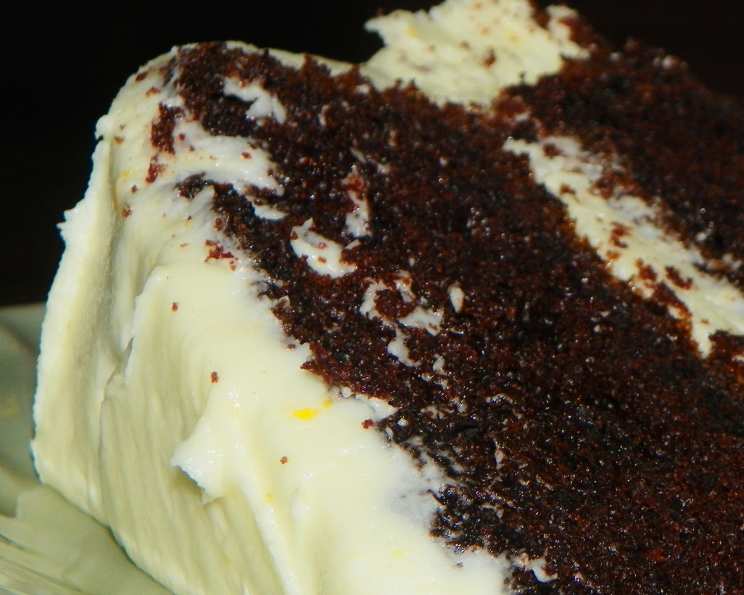
The Zesty Kiss of Sunshine: Crafting Perfect Orange Frosting
There are certain flavor combinations that just sing to my soul, and chocolate and orange is one of them. I remember, as a young apprentice in a bustling pastry kitchen, the sheer joy of decorating a towering chocolate cake with a vibrant orange frosting. The scent of fresh oranges mingling with rich cocoa was intoxicating, a promise of pure indulgence. This particular orange frosting, with its bright citrus notes cutting through a rich, creamy base, became my go-to for any chocolate confection that needed a burst of sunshine. It’s a simple yet elegant creation, proving that sometimes, the most profound flavors come from the most straightforward ingredients.
Recipe Overview
- Prep Time: 10 minutes
- Cook Time: 0 minutes
- Total Time: 10 minutes
- Servings: 10
- Yield: Approximately 4 cups
- Dietary Type: Vegetarian
Ingredients
To achieve this delightful balance of sweet and citrusy, you’ll need a few key players:
- 1/2 cup unsalted butter, softened
- 4 cups icing sugar (also known as powdered sugar or confectioners’ sugar)
- 1 tablespoon freshly grated orange zest
- 2 tablespoons fresh orange juice
- 2 tablespoons skim milk
Ingredient Notes:
- Using unsalted butter allows you to control the salt content of your frosting. Ensure it’s softened to room temperature for easy creaming.
- Icing sugar is crucial for achieving a smooth, lump-free frosting. Sifting it beforehand is always a good practice, especially if it’s been sitting in your pantry for a while.
- The orange zest provides the most potent aromatic oils and vibrant flavor. Be sure to zest the orange before juicing it. Only zest the colored part of the peel, avoiding the bitter white pith.
- Freshly squeezed orange juice will give you the best flavor. If you’re in a pinch, a high-quality bottled orange juice can work, but the zest is where the true magic happens.
- Skim milk contributes to the smooth consistency. You can substitute with whole milk or even a dairy-free milk like almond or oat milk if needed, though the richness might vary slightly.
Equipment Needed
The beauty of this frosting is its simplicity, requiring minimal equipment:
- A medium-sized mixing bowl
- An electric mixer (handheld or stand mixer) or a sturdy whisk
- A zester or fine grater for the orange
- Measuring cups and spoons
- A rubber spatula or spoon for scraping the bowl
Instructions
This frosting comes together in mere minutes, making it an ideal companion for those last-minute cake decorating emergencies or when you simply crave a touch of homemade sweetness.
- In your medium-sized mixing bowl, place the softened butter.
- Using your electric mixer on medium speed (or a whisk and some elbow grease), beat the butter until it is light and fluffy. This usually takes about 2-3 minutes with an electric mixer.
- Gradually add the icing sugar, about one cup at a time, to the beaten butter. Mix on low speed until each addition is incorporated before adding more. This prevents a cloud of sugar from erupting from your bowl.
- Once all the icing sugar has been added and the mixture resembles coarse crumbs, add the orange zest, orange juice, and skim milk.
- Continue to beat all the ingredients together on medium-high speed until the frosting is smooth and has a creamy, spreadable consistency. This typically takes another 2-3 minutes. You are looking for a texture that is neither too stiff nor too runny. If it’s too thick, you can add another teaspoon of orange juice or milk; if it’s too thin, add a tablespoon or two more icing sugar.
- Once you have achieved a smooth and luscious consistency, your orange frosting is ready to frost your cake.
Expert Tips & Tricks
As a chef, I’ve learned that even the simplest recipes can be elevated with a few insider tips. Here’s how to ensure your orange frosting is absolutely perfect every time:
- Room Temperature is Key: For the creamiest frosting, ensure your butter is truly softened, not melted. It should give slightly when pressed with your finger. This allows it to emulsify properly with the other ingredients, creating a smooth texture without greasiness.
- Sift Your Sugar: While not explicitly in the original instructions, I highly recommend sifting your icing sugar. This is the easiest way to avoid any gritty or lumpy frosting. A fine-mesh sieve is your best friend here.
- Zest Wisely: Use a microplane or a fine zester for the orange zest. This will yield fine, fragrant threads of zest that distribute evenly throughout the frosting, maximizing flavor without adding large, chewy pieces. Always zest before you juice the orange.
- Juice Fresh: The flavor of fresh orange juice is incomparable. A little acidity from the fresh juice brightens the sweetness of the frosting and enhances the orange notes.
- Consistency Control: The exact amount of orange juice and milk can sometimes vary depending on the humidity and the absorption rate of your icing sugar. It’s always best to start with the recommended amount and then adjust gradually. Add liquids a teaspoon at a time until you reach your desired spreading consistency. For stiffer frosting (good for piping borders), use less liquid and more icing sugar. For a more glaze-like consistency, use more liquid.
- Don’t Overmix: While you want the frosting to be smooth, overmixing after the ingredients are fully incorporated can sometimes incorporate too much air, making it airy and less dense, or even cause it to split. Beat just until everything is combined and smooth.
Serving & Storage Suggestions
This orange frosting is a versatile delight, perfect for a variety of desserts.
Serving:
This frosting is exceptional when used to frost cakes, especially chocolate, vanilla, or even spice cakes. It also works beautifully as a filling between cake layers or as a topping for cupcakes. For a simple yet elegant finish, spread it generously over your baked goods. You can also use a piping bag with a decorative tip to create swirls, rosettes, or borders. A sprinkle of fresh orange zest or candied orange peel can add a beautiful finishing touch.
Storage:
- At Room Temperature: If properly sealed, the frosting can be stored in an airtight container at room temperature for up to 2 days. However, due to the butter content, it’s best to keep it in a cool, dry place away from direct sunlight.
- In the Refrigerator: For longer storage, transfer the frosting to an airtight container and refrigerate for up to a week. Before using, allow it to come to room temperature and then re-whip it with a mixer to restore its smooth texture.
- Freezing: This frosting freezes well. Place it in an airtight container or a freezer-safe bag and freeze for up to 2 months. Thaw overnight in the refrigerator, then re-whip before using.
Nutritional Information
Here’s an estimated nutritional breakdown per serving (assuming 10 servings):
| Nutrient | Amount per Serving | % Daily Value |
|---|---|---|
| Calories | 271.2 kcal | |
| Calories from Fat | 83 g | |
| Total Fat | 9.3 g | 14 % |
| Saturated Fat | 5.8 g | 29 % |
| Cholesterol | 24.5 mg | 8 % |
| Sodium | 67.7 mg | 2 % |
| Total Carbohydrate | 48.4 g | 16 % |
| Dietary Fiber | 0.1 g | 0 % |
| Sugars | 47.2 g | 189 % |
| Protein | 0.2 g | 0 % |
Note: Nutritional values are estimates and can vary based on specific ingredients and brands used.
Variations & Substitutions
While this classic orange frosting is divine as is, here are a few ways you can put your own spin on it:
- Lime Frosting: For a zesty, tangier twist, substitute the orange zest and orange juice with fresh lime zest and lime juice. This is particularly wonderful with white chocolate or coconut-flavored cakes.
- Grapefruit Frosting: Use grapefruit zest and juice for a more sophisticated and slightly bitter citrus note. It pairs beautifully with dark chocolate or poppyseed cakes.
- Cream Cheese Orange Frosting: For an extra rich and tangy frosting, incorporate softened cream cheese. Beat 4 ounces of softened cream cheese with the softened butter before adding the icing sugar. You might need to adjust the liquid slightly.
- Orange Liqueur Frosting: For an adult-friendly variation, replace 1 tablespoon of the orange juice with a good quality orange liqueur like Grand Marnier or Cointreau.
FAQs
Q: How can I make this frosting smoother if it turns out lumpy?
A: If your frosting is lumpy, the easiest fix is to push it through a fine-mesh sieve. Alternatively, you can gently reheat it over a double boiler, stirring constantly until smooth, and then re-whip it.
Q: Can I use pre-packaged orange juice instead of fresh?
A: Yes, you can, but fresh juice will always yield the best flavor. If using bottled juice, opt for a 100% pure juice without added sugars or artificial flavors.
Q: My frosting is too thin. How can I thicken it?
A: To thicken the frosting, gradually add more icing sugar, a tablespoon at a time, beating until you reach your desired consistency.
Q: How long can I store this frosting?
A: This frosting can be stored in an airtight container in the refrigerator for up to a week. Remember to re-whip it before use.
Q: Can I make this frosting ahead of time?
A: Absolutely! This frosting can be made a day or two in advance and stored in the refrigerator. Just bring it to room temperature and give it a quick whip before frosting your dessert.
Final Thoughts
There’s a certain magic in the simplicity of this orange frosting. It’s a testament to how a few well-chosen ingredients, treated with care, can create something truly special. Whether you’re dressing up a humble chocolate cake or adding a bright flourish to your favorite cupcakes, this zesty, sunshine-kissed frosting is sure to bring a smile to your face and delight to your palate. Don’t hesitate to experiment with the variations – that’s where the real joy of cooking lies! Happy baking!