
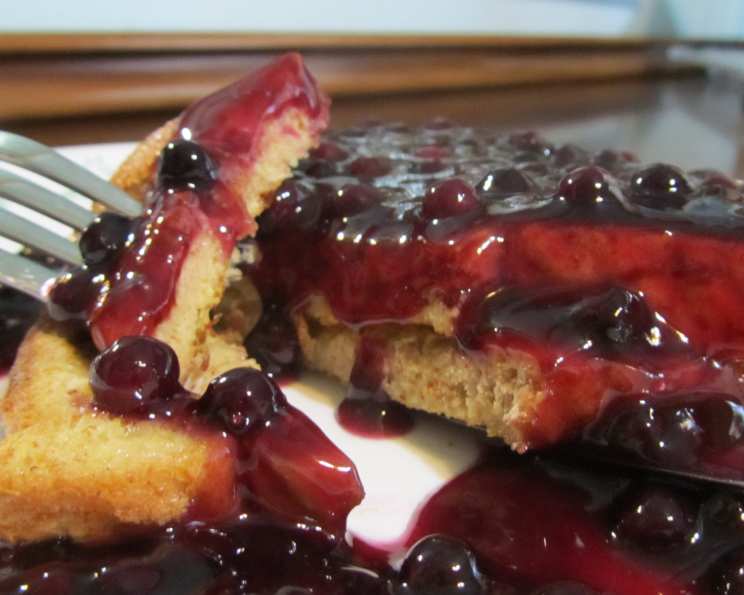
A Sunshine-Kissed Morning: My Orange French Toast Revelation
There are certain dishes that, in their simplicity, carry the weight of treasured memories. For me, this Orange French Toast is one of them. I remember a particularly challenging day, a persistent fault with our home’s phone line that had sent a string of well-meaning but ultimately unsuccessful tradespeople to our door. Just as frustration was beginning to simmer, a new technician arrived, quiet and focused. Within a couple of hours, he’d not only diagnosed the problem but fixed it with a quiet competence that was incredibly reassuring. To thank him, and frankly, to celebrate the quiet victory, I whipped up this vibrant French toast. The aroma of sweet orange and warm spices filled the kitchen, a welcome counterpoint to the morning’s technical dramas. Seeing his surprised and delighted smile as he took his first bite was a moment of pure, simple joy, a delicious reminder that even the most ordinary mornings can be made extraordinary with a little culinary magic.
Recipe Overview
- Prep Time: 15 minutes
- Cook Time: 30 minutes
- Total Time: 45 minutes
- Servings: 4
- Yield: 8-10 slices
- Dietary Type: Contains Dairy, Eggs
Ingredients
This recipe embraces the beauty of a few, quality ingredients to create something truly special. The key is the balance of sweet, tart, and warm spice.
- 8-10 slices of fruit bread (a denser, slightly sweet bread like brioche or challah works beautifully here, but any good quality bread will suffice)
- 3 large eggs
- 1⁄2 cup orange juice (freshly squeezed is always best for that vibrant citrus punch!)
- 1 teaspoon finely grated orange rind (this is where the intense orange aroma comes from, so don’t skip it!)
- 1⁄2 cup milk (whole milk will yield a richer custard, but any milk will do)
- 1 teaspoon cinnamon
- 1 teaspoon nutmeg
Equipment Needed
While this recipe doesn’t demand a brigade of specialized tools, a few essentials will make the process smooth and enjoyable:
- A whisk for thoroughly combining the custard ingredients.
- A shallow dish or pie plate large enough to comfortably dip your bread slices.
- A large non-stick skillet or griddle for cooking the French toast to golden perfection.
- A spatula for carefully flipping the bread.
- A measuring cup and measuring spoons for accurate ingredient proportions.
- A microplane or fine grater for zesting the orange.
Instructions
The process of making French toast is a comforting ritual, a gentle dance between batter and heat. This recipe elevates it with the bright zest of citrus, transforming a breakfast staple into a delightful treat.
- Prepare the Custard: In your shallow dish or pie plate, begin by whisking the eggs until they are well beaten and no streaks of white remain.
- Infuse with Citrus and Spice: Add the orange juice, finely grated orange rind, and milk to the beaten eggs. Give it another thorough whisk to combine everything smoothly.
- Awaken the Spices: Now, it’s time to introduce the warm embrace of the spices. Whisk in the cinnamon and nutmeg. Ensure these are fully incorporated into the liquid mixture, creating a fragrant, evenly spiced batter.
- Ready the Bread: Arrange your fruit bread slices. You want them to be accessible for dipping.
- Dip and Soak: Take one slice of bread at a time and dip it into the prepared custard mixture. Allow it to soak for a moment on each side, just long enough for the bread to absorb some of the liquid but not so long that it becomes overly soggy and falls apart. The perfect soak will depend on the density of your bread; aim for a bread that feels infused but still holds its shape.
- Heat the Pan: Place your skillet or griddle over medium heat. Add a knob of butter (or your preferred cooking fat) and allow it to melt and coat the surface of the pan. You’re looking for a gentle sizzle, not a roaring inferno, as this will ensure the French toast cooks through without burning on the outside.
- Cook to Golden Perfection: Carefully place the dipped bread slices onto the heated skillet. Fry for approximately 3-4 minutes per side, or until the slices are a beautiful, rich golden brown. The surface should be slightly crisp, and the inside should be cooked through and tender.
- Repeat and Serve: Remove the cooked French toast from the skillet and set aside on a plate. Continue this process with the remaining bread slices, adding a little more butter to the pan as needed between batches to prevent sticking and ensure even browning.
Expert Tips & Tricks
Elevating your French toast from good to absolutely sublime is all about a few thoughtful touches.
- Bread Matters: While the recipe calls for fruit bread, don’t be afraid to experiment with other slightly sweet, enriched breads like brioche, challah, or even a good quality raisin bread. The slightly denser crumb of these breads holds up beautifully to the custard.
- Zest is Best: For the most potent orange flavor, use a microplane to get that fine zest. Avoid the pith (the white part of the peel) as it can be bitter. Freshly squeezed orange juice also makes a noticeable difference.
- The Perfect Soak: The key to great French toast is finding that sweet spot in soaking time. You want the bread to absorb the custard but not become a soggy mess. If your bread is very fresh and soft, a quicker dip will suffice. If it’s a day or two old and a bit firmer, you can let it soak a little longer.
- Medium Heat is Your Friend: Resist the temptation to crank up the heat to speed things along. Medium heat allows the custard to cook through and set without burning the exterior. This ensures a tender interior with a lovely golden crust.
- Butter for Flavor: While you can use other fats, good old butter adds an unparalleled richness and browning capability to French toast. Don’t be shy with it!
Serving & Storage Suggestions
This Orange French Toast is best enjoyed immediately, piping hot off the griddle, but leftovers can be handled with care.
- Serving: Serve immediately after cooking. A dusting of powdered sugar, a drizzle of maple syrup, or a dollop of whipped cream are classic accompaniments. Fresh berries, like raspberries or sliced oranges, also add a beautiful burst of color and complementary flavor. For an extra special touch, a light sprinkle of toasted slivered almonds can add a delightful crunch.
- Storage: Cooled leftovers can be stored in an airtight container in the refrigerator for 2-3 days.
- Reheating: To reheat, place the French toast slices in a single layer on a baking sheet in a preheated oven at 350°F (175°C) for about 5-10 minutes, or until warmed through and slightly crisped. Alternatively, you can gently reheat them in a skillet over medium-low heat with a touch of butter. Microwaving is also an option, but it can sometimes result in a softer texture.
Nutritional Information
Here’s an estimated nutritional breakdown per serving, assuming 4 servings from the recipe. Please note that these are approximate values and can vary based on specific ingredients and portion sizes.
| Nutrient | Amount per Serving | % Daily Value |
|---|---|---|
| Calories | 226.6 kcal | |
| Total Fat | 6.8 g | 10% |
| Saturated Fat | 2.4 g | 11% |
| Cholesterol | 162.9 mg | 54% |
| Sodium | 408.5 mg | 17% |
| Total Carbohydrate | 31.1 g | 10% |
| Dietary Fiber | 1.8 g | 7% |
| Sugars | 5.2 g | 20% |
| Protein | 9.8 g | 19% |
| Calories from Fat | ||
| Calories from Fat (%) | 27% |
Variations & Substitutions
While this recipe sings with its orange-infused charm, feel free to adapt it to your preferences.
- Citrus Swap: If oranges aren’t in season or you prefer a different tang, lemon juice and zest can be used as a delightful alternative. A mix of orange and grapefruit juice would also offer an interesting twist.
- Milk Alternatives: For a dairy-free option, you can substitute the milk with a plant-based milk such as almond milk, soy milk, or oat milk. The richness might vary slightly, but the flavor will still be wonderful.
- Spice Variations: Feel free to play with the spice profile. A pinch of cardamom or ginger can add an extra layer of warmth and complexity.
- Bread Choices: As mentioned, other enriched breads work well. For a gluten-free version, use your favorite gluten-free bread that has a good structure and can hold up to dipping.
- Sweetness Adjustment: The sweetness of the fruit bread will influence the overall sweetness of the French toast. You can adjust the maple syrup or other toppings to compensate.
FAQs
Q: What kind of bread is best for this Orange French Toast?
A: A slightly denser, enriched bread like fruit bread, brioche, or challah works wonderfully because it can absorb the custard without becoming too soggy.
Q: Can I make the custard mixture ahead of time?
A: Yes, you can prepare the custard mixture and store it in an airtight container in the refrigerator for up to 24 hours. Give it a good whisk before using it.
Q: My French toast is cooking too quickly on the outside and is still raw inside. What am I doing wrong?
A: You’re likely cooking it over too high heat. Reduce your stove’s heat to medium or medium-low to ensure the custard has time to cook through evenly before the outside burns.
Q: Can I freeze Orange French Toast?
A: Yes, you can freeze cooked and cooled French toast slices. Place them in a single layer on a baking sheet to freeze individually, then transfer them to a freezer-safe bag or container. Reheat in the oven for best results.
Q: Is it okay to use bottled orange juice?
A: While freshly squeezed orange juice will provide the most vibrant and authentic orange flavor, bottled juice can be used in a pinch. Opt for a high-quality, 100% juice without added sugars for the best outcome.
Final Thoughts
This Orange French Toast is more than just a breakfast dish; it’s a little ray of sunshine on a plate, a simple yet profoundly satisfying way to start your day or to brighten an afternoon. The intoxicating aroma of orange and spice as it cooks is enough to lift spirits, and the tender, custardy interior with its golden, slightly crisp exterior is a textural delight. I encourage you to try this recipe, to bring a touch of that citrusy joy into your own kitchen. Serve it with a steaming cup of coffee or a bright glass of freshly squeezed juice, and savor each delicious bite. I’d love to hear how it turns out for you!