
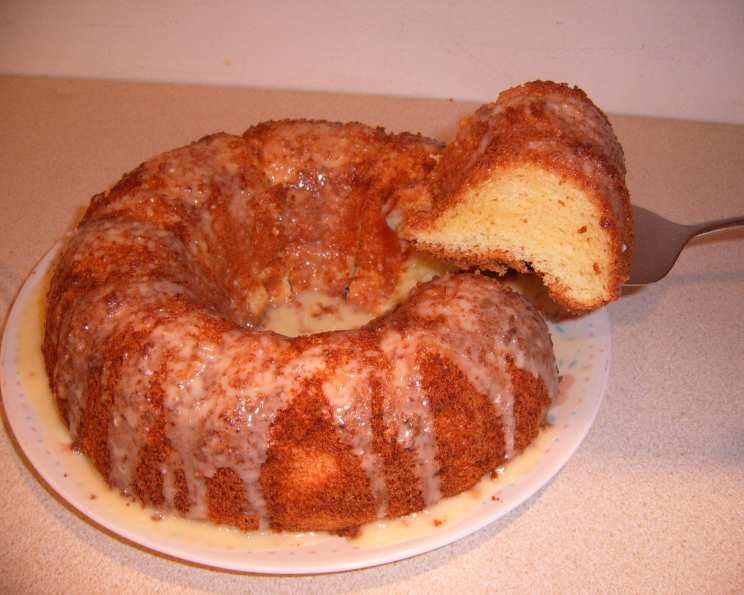
The Sunshine in a Cake: An Ode to Orange Chiffon
There’s something profoundly comforting about a cake that whispers of sunshine and citrus. For me, that cake is undoubtedly Orange Chiffon. I remember the first time I encountered it, a light, airy confection that seemed to defy gravity. It wasn’t just the delightful burst of orange flavor that captivated me, but the sheer lightness and delicate crumb. It felt like eating a sweetened cloud, kissed by the sun. This particular recipe, hailing from the Manitoba Celiac Association’s Celi-Yak publication in the summer of 1998, holds a special place because it proved that incredible texture and flavor weren’t exclusive to gluten-filled baking. It was a revelation, a beacon of hope for those navigating a gluten-free world, and a pure joy for anyone who simply appreciates a beautifully executed cake.
Recipe Snapshot
- Prep Time: Approximately 15 minutes
- Cook Time: 45 minutes
- Total Time: Approximately 1 hour
- Servings: 6-8
- Yield: 1 cake
- Dietary Type: Gluten-Free
Ingredients: A Symphony of Citrus and Air
The beauty of this Orange Chiffon cake lies in its simplicity and the way these few, carefully chosen ingredients come together to create something truly magical. It’s a testament to the power of technique and thoughtful composition.
- 4 large egg whites
- 1/4 teaspoon cream of tartar
- 3/4 cup granulated sugar, divided
- 2 teaspoons baking powder
- 1 pinch salt
- 1/4 cup neutral-flavored oil (such as vegetable, canola, or grapeseed oil)
- 4 large egg yolks
- 1 tablespoon orange rind, finely grated (from about 1-2 oranges)
- 1/3 cup fresh orange juice
Essential Equipment
While this cake doesn’t require any extravagant tools, a few key pieces will ensure your success:
- A large mixing bowl for whipping egg whites.
- A medium mixing bowl for the yolk mixture.
- An electric mixer (stand mixer or handheld) is highly recommended for achieving the proper texture in the egg whites.
- A whisk or rubber spatula for gently folding ingredients.
- An ungreased angel food cake pan or a bundt pan is crucial for allowing the cake to cling and rise properly.
- An oven preheated to the correct temperature.
- A wire cooling rack for inverting and cooling the cake.
The Art of Assembly: Step-by-Step
Crafting this Orange Chiffon cake is less about complex techniques and more about precision and patience. Follow these steps closely, and you’ll be rewarded with a delicate, flavorful masterpiece.
- Prepare the Egg Whites: Begin by placing the 4 large egg whites into a clean, dry, large mixing bowl. Ensure there is absolutely no trace of yolk or grease in the bowl or on your beaters, as this will prevent the egg whites from whipping properly. Add the 1/4 teaspoon of cream of tartar. This stabilizes the egg whites, helping them achieve maximum volume and a delicate, slightly dry texture.
- Whip to Stiff Peaks: Using your electric mixer, start beating the egg whites on medium speed. Gradually increase the speed to high. Continue beating until the egg whites form very stiff, glossy peaks that hold their shape when the beaters are lifted. They should also appear slightly dry, meaning they’ve reached their maximum stable volume. Be careful not to overbeat, which can result in a dry, brittle meringue.
- Combine Dry Ingredients: In a separate medium mixing bowl, whisk together the 2 teaspoons of baking powder, the 1 pinch of salt, and 1/2 cup of the granulated sugar (reserving the remaining 1/4 cup for later). Create a well in the center of this dry mixture.
- Mix the Wet Ingredients: Into the well you’ve created in the dry ingredients, pour the 1/4 cup of oil, the 4 large egg yolks, the 1 tablespoon of finely grated orange rind, and the 1/3 cup of fresh orange juice.
- Create a Smooth Batter: With your electric mixer, beat this wet and dry mixture together until it is smooth and well combined. This should take about 1 minute. The batter will have a vibrant, golden hue from the egg yolks and a wonderful citrus aroma.
- The Gentle Fold: This is a critical step for achieving that signature airy texture. Take about one-third of the beaten egg whites and gently fold them into the egg yolk mixture using a rubber spatula or whisk. This lightens the yolk mixture, making it easier to incorporate the remaining egg whites. Once partially combined, carefully fold in the remaining egg whites in two more additions. Work gently and deliberately, scraping down the sides of the bowl as you go, until no streaks of egg white remain. The goal is to incorporate the air from the egg whites without deflating them.
- Bake with Confidence: Pour the combined batter into an ungreased angel food cake pan or a bundt pan. Do not grease the pan, as the cake needs to cling to the sides to achieve its full height.
- The Bake: Place the pan in a preheated oven at 350°F (175°C). Bake for 45 minutes.
- Cooling is Key: Once the baking time is complete, immediately invert the pan. This is essential for preventing the cake from collapsing as it cools. Most angel food and bundt pans have “feet” or a neck that allows for inversion. Let the cake cool completely in this inverted position. This can take a couple of hours.
Chef’s Insights: Elevating Your Chiffon Game
- The Importance of Cleanliness: I cannot stress enough the importance of scrupulously clean bowls and beaters when whipping egg whites. Even a microscopic trace of fat can prevent them from reaching their full, airy potential.
- Room Temperature Eggs: For the best volume, ensure your egg whites are at room temperature. Cold egg whites are more viscous and harder to whip to stiff peaks.
- Zesting Wisely: Use a fine grater or microplane to zest your orange. You want to capture the aromatic oils from the orange peel, not the bitter white pith underneath.
- The Fold, Not Stir: The folding technique is paramount. Imagine you are gently tucking the egg whites into the batter, preserving as much air as possible. Overmixing or stirring will deflate the delicate structure.
- Pan Choice Matters: An ungreased tube pan or bundt pan is non-negotiable for this cake. The batter needs to grip the sides as it rises, and greasing it would allow it to slip down.
Serving and Storage: Savoring the Sunshine
Once your Orange Chiffon cake has cooled completely upside down, you can carefully loosen it from the pan. A thin offset spatula or a knife run around the edges and the central tube can help release it.
This cake is delightful served simply dusted with a little powdered sugar, or with a light drizzle of homemade orange glaze (powdered sugar mixed with a splash of orange juice). It also pairs beautifully with fresh berries or a dollop of whipped cream.
Store any leftovers in an airtight container at room temperature for up to 2 days. Because of its airy structure, refrigeration can sometimes cause it to dry out more quickly. If you need to store it longer, it can be frozen, tightly wrapped, for up to a month. Thaw at room temperature.
Nutritional Snapshot (Estimated per serving, assuming 8 servings)
| Nutrient | Amount per Serving | % Daily Value |
|---|---|---|
| Calories | ~175 | 9% |
| Total Fat | ~7g | 9% |
| Saturated Fat | ~1g | 5% |
| Cholesterol | ~75mg | 25% |
| Sodium | ~115mg | 5% |
| Total Carbohydrate | ~25g | 9% |
| Dietary Fiber | ~0.2g | 1% |
| Sugars | ~16g | 32% |
| Protein | ~2.5g | 5% |
Note: Nutritional values are estimates and can vary based on specific ingredients and portion sizes.
Variations and Substitutions: A Touch of Your Own Sunshine
While this recipe is perfection as is, don’t hesitate to play with it:
- Lemon Chiffon: Substitute half of the orange juice with fresh lemon juice and use lemon zest instead of orange rind for a brighter, tangier flavor.
- Lime Chiffon: Similar to the lemon variation, swap in lime juice and zest for a zesty, tropical twist.
- Poppy Seed Infusion: Add 1-2 tablespoons of poppy seeds to the dry ingredients for a subtle crunch and visual appeal.
- Glazed Delight: Elevate the cake with a luscious orange glaze made from powdered sugar and fresh orange juice, or even a touch of Grand Marnier for an adult treat.
Frequently Asked Questions
Q: Why is my chiffon cake dense and heavy?
A: This is usually due to overmixing the batter after adding the egg whites, which deflates the air, or not whipping the egg whites to stiff peaks in the first place.
Q: My cake sunk in the middle. What went wrong?
A: The most common culprit is not baking the cake long enough, or not inverting it immediately after removing it from the oven. Inverting allows the cake to cool gradually while maintaining its structure.
Q: Can I make this cake with a different type of flour?
A: This recipe is specifically designed to be gluten-free. Substituting flours would require significant recipe adjustments and would likely alter the texture and structure dramatically.
Q: What is the best way to remove the cake from the pan?
A: Ensure the cake is completely cool, then use a thin offset spatula or a knife to carefully run around the outer edge and the center tube. Gently lift the cake out.
Q: How do I store leftover chiffon cake?
A: Store in an airtight container at room temperature for up to 2 days. Avoid refrigeration if possible, as it can dry out the cake.
This Orange Chiffon cake is more than just a dessert; it’s an experience. It’s the lightness that greets your palate, the bright citrus that awakens your senses, and the gentle sweetness that comforts your soul. It’s a perfect centerpiece for a special occasion or a delightful treat to brighten any ordinary day. I encourage you to bake it, to share it, and to savor every airy, sun-kissed bite.