
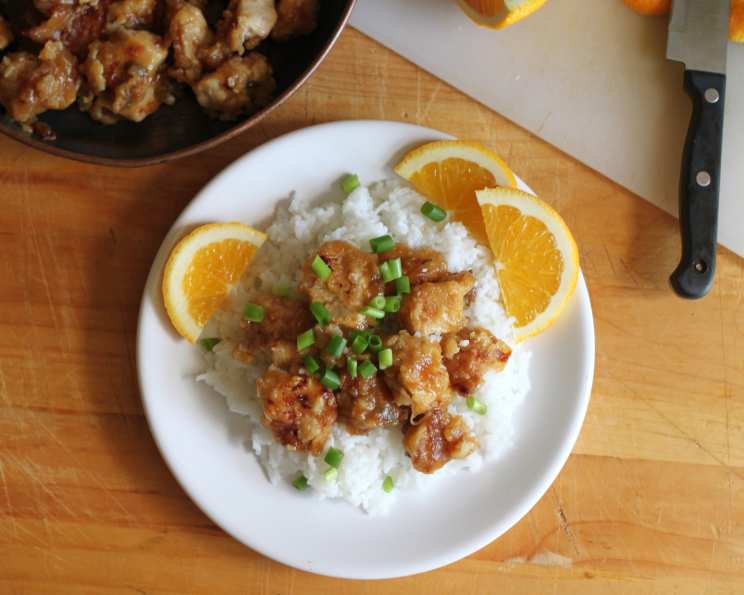
The Golden Secret: Mastering Restaurant-Style Orange Chicken at Home
There are few aromas that transport me back to my childhood quite like the tantalizing scent of orange chicken. I remember the sheer delight of those family outings to our favorite Chinese restaurant, the anticipation building with each passing minute as the waiter made his way from the kitchen. And then, there it was – glistening, tender pieces of chicken coated in that perfectly balanced, sweet, and tangy orange sauce. It was a symphony of flavors and textures, a culinary hug that never failed to satisfy. This recipe, after countless hours of tinkering and tasting, brings that cherished restaurant experience right into my own kitchen, a little piece of edible nostalgia I’m thrilled to share with you.
Recipe Overview
- Prep Time: 20 minutes
- Cook Time: 30 minutes
- Total Time: 50 minutes (plus at least 2 hours marinating time)
- Servings: 4-6
- Yield: Serves 4-6
- Dietary Type: Can be adapted for gluten-free by using tamari instead of soy sauce.
Ingredients
For the Sauce:
- 1 cup water
- 1/2 cup orange juice
- 1/4 cup lemon juice, fresh squeezed
- 1/3 cup rice vinegar
- 2 1/2 tablespoons soy sauce
- 1 tablespoon grated orange zest
- 1 cup packed brown sugar
- 1/2 teaspoon minced fresh gingerroot
- 1/2 teaspoon minced garlic
- 2 tablespoons chopped green onions
- 1/4 teaspoon red pepper flakes
- 3 tablespoons cornstarch
- 2 tablespoons water
For the Chicken:
- 2 lbs boneless, skinless chicken breasts, cut into 1/2 inch pieces
- 1 cup all-purpose flour
- 1/4 teaspoon salt
- 1/4 teaspoon pepper
- 3 tablespoons olive oil
- 3 tablespoons cornstarch
- 2 tablespoons water
Equipment Needed
- Medium saucepan
- Whisk
- Measuring cups and spoons
- Small bowls
- Resealable plastic bags (quart or gallon size)
- Large skillet
- Paper towels
- Aluminum foil
Instructions
- Crafting the Vibrant Orange Sauce: In a medium saucepan, combine the water, orange juice, fresh squeezed lemon juice, rice vinegar, and soy sauce. Place the saucepan over medium-high heat and bring the mixture to a gentle simmer. Stir in the grated orange zest, packed brown sugar, minced fresh gingerroot, minced garlic, red pepper flakes, and chopped green onions.
- Thickening the Sauce: In a small bowl, whisk together 3 tablespoons of cornstarch with 2 tablespoons of cold water until a smooth slurry forms. Gradually add this cornstarch slurry to the simmering sauce in the saucepan, whisking constantly to prevent lumps. Continue to cook, stirring, until the sauce thickens to a glossy consistency. Once thickened, remove the sauce from the heat and let it cool for approximately 10 to 15 minutes.
- Marinating the Chicken: While the sauce is cooling, place the cut chicken pieces into a resealable plastic bag. Once the sauce has cooled slightly, carefully pour 1 cup of the prepared orange sauce into the bag with the chicken. Reserve the remaining sauce for later. Seal the bag tightly, ensuring all air is removed, and refrigerate for at least 2 hours to allow the chicken to fully absorb the flavors.
- Coating the Chicken: In a separate resealable plastic bag, combine the all-purpose flour, salt, and pepper. Add the marinated chicken pieces to this bag. Seal the bag and shake gently to ensure each piece of chicken is evenly coated with the seasoned flour mixture.
- Searing the Chicken: Heat 3 tablespoons of olive oil in a large skillet over medium heat. Once the oil is shimmering, carefully add the coated chicken pieces to the skillet in a single layer, working in batches if necessary to avoid overcrowding the pan. Brown the chicken on all sides until golden and cooked through. As the chicken pieces are browned, remove them from the skillet and place them on a plate lined with paper towels to drain any excess oil. Cover the browned chicken loosely with aluminum foil to keep it warm.
- Finishing the Sauce and Combining: Wipe out the skillet you used for the chicken. Pour the reserved orange sauce into the clean skillet and place it over medium-high heat. Bring the sauce to a boil. In a small bowl, mix together the remaining 3 tablespoons of cornstarch with 2 tablespoons of water to create another slurry. Stir this slurry into the boiling sauce and continue to cook until it thickens once more.
- Simmering to Perfection: Reduce the heat to medium-low. Gently add the browned chicken pieces back into the skillet with the thickened sauce. Stir gently to coat each piece of chicken with the luscious orange sauce. Allow the chicken and sauce to simmer for about 5 minutes, stirring occasionally, to ensure the chicken is heated through and has fully absorbed the flavors of the sauce.
- Serving: Serve the restaurant-style orange chicken immediately over steamed white rice or your favorite fried rice.
Expert Tips & Tricks
- Zest with Care: When zesting your orange, aim for the bright orange peel only, avoiding the bitter white pith underneath. A microplane grater works beautifully for this, yielding fine, fragrant zest.
- Juice is King: While store-bought orange juice can work in a pinch, fresh-squeezed will always provide a brighter, more authentic citrus flavor to your sauce.
- Marinating Matters: Don’t skimp on the marinating time! The longer the chicken sits in that flavorful sauce, the more tender and infused with flavor it will become. If you have extra time, an overnight marination in the refrigerator can yield exceptional results.
- Batch Cooking: If you have a lot of chicken, cooking it in batches is crucial for achieving that perfect sear and crisp texture. Overcrowding the pan will steam the chicken rather than brown it, leading to a less desirable texture.
- Adjusting Thickness: If your sauce isn’t as thick as you’d like after the initial simmering, you can always make another small cornstarch slurry (1 tablespoon cornstarch + 1 tablespoon water) and stir it into the sauce while it simmers on low heat. Conversely, if it becomes too thick, a splash of water or orange juice can help thin it out.
Serving & Storage Suggestions
This Orange Chicken is best served immediately while the chicken is still tender and the sauce is glossy. It’s a star on its own, but truly shines when paired with steamed white rice, which acts as the perfect canvas for the vibrant sauce, or with a side of fluffy fried rice for a complete meal. For a touch of freshness and a pop of color, a sprinkle of thinly sliced green onions or toasted sesame seeds makes for a beautiful garnish.
Leftovers can be stored in an airtight container in the refrigerator for up to 3 days. When reheating, gently warm the orange chicken on the stovetop over low heat with a splash of water or orange juice to loosen the sauce, or microwave in short intervals, stirring occasionally, until heated through. Avoid overcooking during reheating, as the chicken can become dry.
Nutritional Information
| Nutrient | Amount per Serving (approximate) | % Daily Value |
|---|---|---|
| Calories | 744.7 kcal | |
| Calories from Fat | 148 g | |
| Total Fat | 16.5 g | 25% |
| Saturated Fat | 2.8 g | 13% |
| Cholesterol | 145.3 mg | 48% |
| Sodium | 1057.8 mg | 44% |
| Total Carbohydrate | 94.6 g | 31% |
| Dietary Fiber | 1.5 g | 5% |
| Sugars | 56.7 g | 226% |
| Protein | 53.1 g | 106% |
(Note: Nutritional values are estimates and can vary based on specific ingredients and preparation methods.)
Variations & Substitutions
For those seeking a gluten-free option, simply substitute tamari for the soy sauce. The flavor profile remains wonderfully similar, ensuring everyone can enjoy this delightful dish. While chicken thighs can be used for a richer, more succulent texture, the breast meat is classic for its lean quality and ability to soak up the sauce. If you prefer a spicier kick, feel free to increase the amount of red pepper flakes to your personal preference.
FAQs
Q: Why is my orange chicken sauce not thickening properly?
A: Ensure you are using a smooth cornstarch slurry and that the sauce is actively simmering when you add it. If it’s still too thin, you may need to create another small slurry and add it.
Q: Can I use bottled orange juice instead of fresh?
A: Yes, bottled orange juice can be used, but fresh-squeezed will yield a brighter, more authentic citrus flavor.
Q: How can I make the chicken crispier?
A: Ensure you are not overcrowding the skillet when browning the chicken, and consider double-dipping: after the initial flour coating, dip the chicken pieces in a beaten egg (optional) and then back into the flour mixture before frying.
Q: Is it possible to make the sauce ahead of time?
A: Yes, the orange sauce can be made ahead and stored in the refrigerator for up to 3 days. Reheat it gently before adding the chicken.
Q: Can I use chicken thighs instead of breasts?
A: Absolutely! Chicken thighs offer a richer flavor and are more forgiving if slightly overcooked, but boneless, skinless breasts are traditional and provide a lighter texture.
Final Thoughts
Bringing the beloved flavors of your favorite restaurant home is a truly rewarding culinary adventure, and this restaurant-style Orange Chicken recipe is a testament to that. The perfect balance of sweet citrus, savory soy, and a hint of spice, all clinging to tender, crispy chicken, makes for an unforgettable meal. I encourage you to gather your ingredients, embrace the process, and savor the moment as you create this golden delight. Serve it proudly to your loved ones, and watch their faces light up with the same joy this dish has always brought to mine. Perhaps a crisp, cold Tsingtao beer or a refreshing jasmine tea would be the perfect accompaniment to this vibrant plate. Enjoy every delicious bite!