
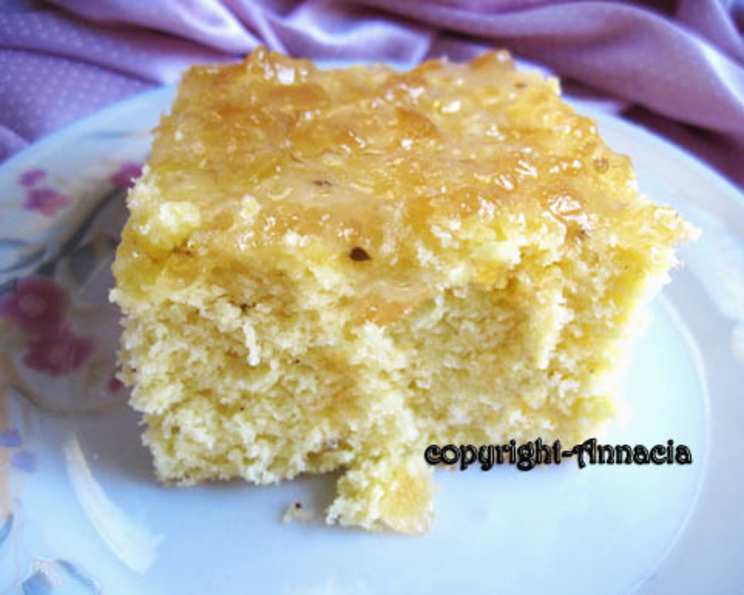
Orange Anise Seed Squares: A Fragrant Embrace of Citrus and Spice
There’s a particular comfort that washes over me when the scent of baking citrus and warm spices fills my kitchen. It’s a scent that conjures memories of sun-drenched mornings and quiet afternoons, a feeling of simple elegance that’s both grounding and uplifting. These Orange Anise Seed Squares hold such a place in my heart. They aren’t just a recipe; they are a whispered invitation to slow down, to savor the delicate dance between bright, zesty orange and the subtle, licorice-like warmth of anise. I remember discovering a very early iteration of this recipe years ago, its origins lost to the passage of time, but its essence – that captivating blend of flavors – remained. Over the years, I’ve tinkered, nudged, and refined it, always striving to keep its original spirit intact while enhancing its delightful character. It’s a testament to how simple ingredients, thoughtfully combined, can create something truly memorable, perfect for those moments when you want to offer a touch of sunshine on a plate.
Recipe Overview
- Prep Time: 20 minutes
- Cook Time: 30-35 minutes
- Total Time: 50-55 minutes
- Servings: 9
- Yield: 1 (8-inch) square cake
- Dietary Type: Contains Dairy, Eggs, Gluten
Ingredients
The magic of these Orange Anise Seed Squares lies in their straightforward, accessible ingredients, coming together to create a symphony of comforting flavors.
For the Cake:
- 1⁄2 cup butter, softened (or 1/2 cup butter substitute)
- 2⁄3 cup sugar
- 2 large eggs
- 2 1⁄4 cups unbleached flour
- 1 tablespoon baking powder
- 1⁄2 teaspoon salt
- 2⁄3 cup milk (read NOTE below for liquid proportions)
- 1⁄3 cup freshly squeezed orange juice
- 3⁄4 tablespoon anise seed, crushed lightly to release flavor
- 1⁄4 teaspoon freshly ground nutmeg
For Topping Number One (Orange Marmalade Glaze):
- 1⁄2 cup orange marmalade
For Topping Number Two (Orange Blossom Syrup):
- 1⁄2 cup water
- 1⁄2 cup sugar
- 1⁄2 teaspoon orange blossom water
NOTE on Liquid Proportions: The recipe allows for flexibility with the liquid component. You can use all milk, all orange juice, or a combination of both, as long as the total liquid volume equals 1 cup. For instance, 2/3 cup milk and 1/3 cup orange juice (as listed) is a delightful balance.
Equipment Needed
To bring these fragrant squares to life, you’ll need a few essential kitchen tools:
- An 8-inch square baking pan
- A large mixing bowl
- An electric mixer (handheld or stand mixer) or a sturdy whisk and strong arm
- A small saucepan for the syrup
- A toothpick or thin skewer for testing doneness
- A cooling rack
- A sieve or fine-mesh strainer (optional, for sifting dry ingredients)
Instructions
The process of creating these Orange Anise Seed Squares is as soothing as their aroma. Follow these steps carefully, and you’ll be rewarded with a delightful treat.
-
Preheat and Prepare: Begin by preheating your oven to 350 degrees Fahrenheit (175 degrees Celsius). Next, grease and flour your 8-inch square baking pan. This ensures the cake releases cleanly after baking.
-
Create the Syrup (for Topping Number Two): If you opt for the second topping, start by preparing the simple syrup. In a small saucepan, combine the water and sugar. Bring the mixture to a boil over medium-high heat, then boil for exactly 2 minutes. Reduce the heat to low and simmer for 10 minutes. Remove the saucepan from the heat and stir in the orange blossom water. Set aside to cool slightly.
-
Cream the Wet Ingredients: In a large mixing bowl, beat the softened butter, sugar, and eggs together until the mixture is fluffy and well combined. This creaming process incorporates air, which contributes to the cake’s tender texture.
-
Combine Dry Ingredients: In a separate bowl (or you can sift them directly into the wet ingredients if you prefer), whisk together the unbleached flour, baking powder, and salt. This ensures the leavening agent and salt are evenly distributed throughout the flour.
-
Incorporate Remaining Wet Ingredients and Spices: To the creamed butter mixture, add the milk, freshly squeezed orange juice, the lightly crushed anise seed, and the freshly ground nutmeg.
-
Mix the Batter: Now, add the dry ingredients to the wet ingredients. Beat on low speed just until the dry ingredients are moistened. Be careful not to overmix at this stage. Next, increase the speed to medium and beat for about another minute, until the batter is fluffy and blended.
-
Pour and Bake: Pour the batter evenly into the prepared 8-inch square baking pan. Bake in the preheated oven for 30-35 minutes. The cake is ready when it springs back when gently touched in the center, or when a toothpick inserted into the center comes out clean.
-
Apply Topping Number One (if desired): If you are using the orange marmalade topping, remove the cake from the oven while it is still hot. Spread the orange marmalade evenly over the top of the cake. The heat from the cake will help the marmalade melt and create a beautiful, glossy glaze.
-
Apply Topping Number Two (if desired): If you prefer the orange blossom syrup, while the cake is still hot, poke holes all over the top of the cake using a toothpick or a thin skewer. Gently pour the prepared simple syrup evenly over the top of the cake, allowing it to soak into the holes.
-
Cool and Cut: Allow the cake to cool in the pan for a few minutes before transferring it to a cooling rack to cool completely. Once cooled, cut the cake into squares.
Expert Tips & Tricks
Elevate your Orange Anise Seed Squares with these professional insights:
- Anise Seed Preparation: Lightly crushing the anise seed before adding it to the batter is key. A mortar and pestle or even the flat side of a knife can be used. This process releases its essential oils, intensifying its aromatic contribution. Don’t over-crush it into a powder; a gentle crack is sufficient.
- Butter Substitute Note: When using a butter substitute, ensure it’s one designed for baking and has a similar fat content to butter to achieve the best texture.
- Orange Juice Freshness: Always opt for freshly squeezed orange juice. Bottled juice can sometimes have a processed flavor that won’t complement the delicate notes of this cake as well.
- Avoiding Overmixing: Overmixing the batter after adding the flour can develop the gluten too much, resulting in a tougher cake. Mix only until just combined.
- Oven Calibration: Ovens can vary. If you know your oven runs hot or cool, adjust the baking temperature and time accordingly. A kitchen thermometer can be invaluable.
- Marmalade Clarity: For a clearer glaze with Topping Number One, you can gently warm the marmalade in a small saucepan before spreading it. This will help it become more fluid and easier to distribute evenly.
- Syrup Absorption: For maximum syrup absorption with Topping Number Two, ensure the holes are poked relatively close together.
Serving & Storage Suggestions
These Orange Anise Seed Squares are wonderfully versatile, suitable for a casual afternoon tea or as a refined dessert.
- Serving: These squares are delightful served warm or at room temperature. They pair beautifully with a cup of strong coffee, a fragrant herbal tea, or even a glass of sweet dessert wine. For a more elegant presentation, you can dust them lightly with powdered sugar or serve them alongside a dollop of crème fraîche or vanilla ice cream.
- Storage: Store any leftover squares in an airtight container at room temperature for up to 2-3 days. If the weather is particularly warm, or if you’ve used the syrup topping, refrigeration might be preferable to prevent the syrup from becoming sticky. In the refrigerator, they will keep for up to 5 days.
- Reheating: To reheat, you can gently warm individual squares in a low oven (around 250°F/120°C) for a few minutes, or microwave them for short bursts until warmed through.
Nutritional Information
| Nutrient | Amount per Serving | % Daily Value |
|---|---|---|
| Calories | 382.9 kcal | |
| Calories from Fat | ||
| Total Fat | 12.4 g | 19% |
| Saturated Fat | 7.3 g | 36% |
| Cholesterol | 71 mg | 23% |
| Sodium | 376.3 mg | 15% |
| Total Carbohydrate | 64.1 g | 21% |
| Dietary Fiber | 1.1 g | 4% |
| Sugars | 37.5 g | 149% |
| Protein | 5.5 g | 11% |
Note: Nutritional information is an estimate and can vary based on specific ingredients and brands used.
Variations & Substitutions
While the classic combination is hard to beat, feel free to explore these variations:
- Lemon Twist: Substitute half of the orange juice with fresh lemon juice for a brighter, more citrusy note.
- Spice Addition: Add a pinch of ground cardamom or ginger to the dry ingredients for an extra layer of warmth and complexity.
- Nutty Inclusion: Fold in 1/2 cup of chopped almonds or pistachios to the batter for added texture and flavor.
- Gluten-Free Adaptation: Use a high-quality gluten-free all-purpose flour blend in place of the unbleached flour. You may need to adjust the liquid slightly, as gluten-free flours can absorb moisture differently.
- Dairy-Free Option: Utilize a plant-based butter substitute and a non-dairy milk such as almond or soy milk. The orange juice will add a lovely richness.
FAQs
Q: Can I use ground anise seed instead of whole anise seed?
A: While ground anise can be used, it’s best to lightly crush whole seeds to release their aromatic oils just before baking for optimal flavor. If using ground, use about half the amount.
Q: My cake seems a bit dry. What might have gone wrong?
A: Overbaking is the most common culprit for a dry cake. Ensure you’re baking only until the cake springs back when touched and not until it is completely firm. Oven variations can also play a role.
Q: How do I make sure the orange marmalade glaze is smooth?
A: Gently warming the marmalade in a small saucepan over low heat, stirring occasionally, will help it become more fluid and easier to spread evenly. Avoid boiling.
Q: Is it okay to omit the anise seed if I don’t like its flavor?
A: While the anise is a signature flavor, you can omit it if you prefer. However, you might consider adding a pinch more nutmeg or a touch of cinnamon to compensate for the missing spice.
Q: How long will the orange blossom syrup topping last?
A: The syrup, when stored properly in an airtight container in the refrigerator, should last for up to two weeks.
Final Thoughts
These Orange Anise Seed Squares are more than just a bake; they are an experience. They’re a delightful reminder that the simplest ingredients, treated with care, can yield extraordinary results. The subtle perfume of orange blossom water, the warm embrace of anise, and the tender crumb of the cake create a harmony that’s both comforting and sophisticated. I encourage you to bake them for a quiet moment of indulgence, to share them with loved ones, or to present them as a charming end to a meal. They truly shine when served with a good cup of coffee, allowing the flavors to unfurl and linger. I’d love to hear about your baking journey with these squares – share your thoughts and any delightful variations you discover!