
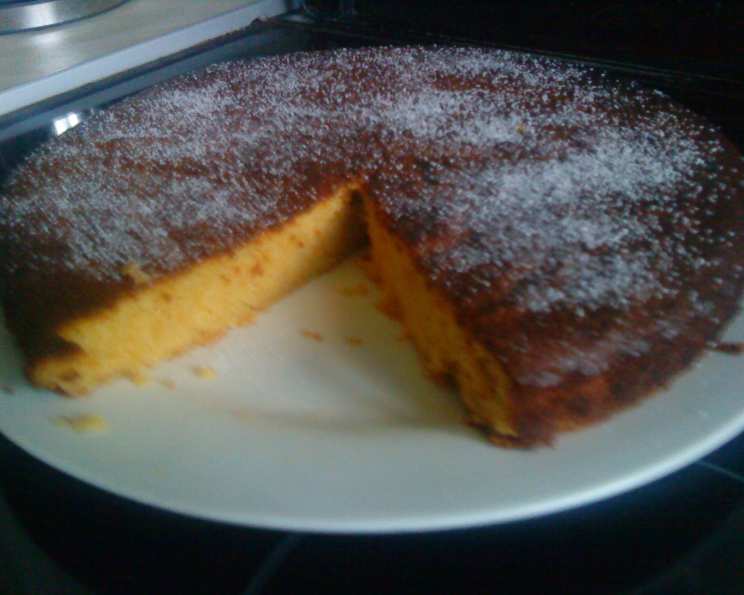
Orange Almond Cake: A Gluten-Free Gem That Truly Shines
There are certain recipes that, once discovered, become etched into your culinary memory, not just for their taste, but for the memories they evoke. This Orange Almond Cake is one of those treasures for me. I first encountered it during a particularly challenging phase of recipe development, a time when I was obsessed with finding truly spectacular gluten-free options that didn’t feel like a compromise. The moment I tasted the dense, yet remarkably moist crumb, bursting with bright citrus and the nutty depth of almonds, I knew I had stumbled upon something special. It was so divine, so unfailingly successful, that I even considered it as a gluten-free counterpoint to my daughter’s wedding cake – a testament to its sheer deliciousness and crowd-pleasing appeal.
Recipe Overview
- Prep Time: 15 minutes
- Cook Time: 50-60 minutes
- Total Time: Approximately 1 hour 15 minutes
- Servings: 10
- Yield: 1 cake (24-26cm springform tin)
- Dietary Type: Gluten-Free
Ingredients
This cake is a beautiful example of how simple, whole ingredients can come together to create something extraordinary. The star players are the oranges, which lend their zest, juice, and even their pith to the cake, creating an unparalleled depth of flavor and moisture.
- 3 large oranges
- 500g white sugar
- 6 large eggs
- 500g almond meal
Equipment Needed
While this recipe is wonderfully straightforward, having the right tools ensures a smooth process.
- Medium saucepan
- Food processor
- Mixing bowl
- 24-26cm springform tin
- Baking paper (parchment paper)
- Oven
- Cooling rack
Instructions
The magic of this cake lies in its simplicity, a testament to the idea that sometimes, the most profound flavors come from the most unassuming methods. The key is to fully cook the oranges before incorporating them, which softens them and mellows any potential bitterness from the pith.
- Begin by preparing the oranges. Place the whole oranges in a medium saucepan and cover them with water. Bring the water to a boil, then cover the pot and simmer the oranges for one hour. This crucial step tenderizes the oranges, making them easy to process.
- Once the hour is up, drain off the hot water. Allow the oranges to cool sufficiently so you can handle them. If you’re short on time, a partial cooling is acceptable; the recipe has proven quite resilient even when this step is rushed.
- While the oranges are cooling, prepare the base for your batter. In a separate bowl, combine the white sugar and eggs. Process them together (either with an electric mixer or vigorously by hand) until the sugar is completely dissolved into the eggs. You should feel no grittiness when you rub a little mixture between your fingers. Once dissolved, pour this sugar-egg mixture into a mixing bowl.
- Now, turn your attention back to the cooled oranges. Cut each orange in half and meticulously remove any seeds. Do not discard the peel or the white pith – they are essential for the cake’s signature flavor and texture.
- Place the deseeded orange halves into a food processor. Process them until they form a reasonably smooth pulp. It’s okay if there are a few small chunks; this adds to the rustic charm.
- Pour the orange pulp into the bowl containing the sugar and egg mixture. Add the almond meal to the bowl.
- Gently mix all the ingredients together until just combined. Be careful not to overmix, as this can affect the cake’s delicate texture.
- Prepare your 24-26cm springform tin by lining the base with baking paper. This prevents sticking and ensures easy removal of the cake.
- Pour the cake batter into the prepared springform tin.
- Bake in a preheated oven at 185°C (365°F) for 50 to 60 minutes. The exact baking time will vary depending on your oven. To check for doneness, insert a skewer or toothpick into the center of the cake. If it comes out clean, the cake is ready. If there’s still wet batter clinging to it, continue baking in 5-minute increments until it does.
- Once baked, remove the cake from the oven and allow it to cool in the tin for a while before carefully releasing the springform side. Transfer it to a cooling rack to cool completely.
Expert Tips & Tricks
This cake is remarkably forgiving, but a few seasoned chef insights can elevate it even further.
- Orange Selection: While large oranges work beautifully, aim for varieties with a good balance of sweet and tart, like Navels or Valencia. The key is to have enough juice to contribute to the moisture, but not so much that it makes the batter overly wet.
- Pith is Powerful: Don’t be tempted to trim away too much of the white pith. It contains oils that are crucial for the cake’s intense citrus aroma and unique flavor profile.
- Sugar Dissolution: Ensure the sugar is fully dissolved in the eggs. This not only contributes to a smoother texture but also helps in the cake’s rise and overall structure. A small test by rubbing the mixture between your fingers is a chef’s secret to verify this.
- Gentle Mixing: Overworking the batter after adding the almond meal can develop the almond proteins, potentially leading to a tougher cake. Mix until just combined to maintain that delightful tender crumb.
- Springform Success: A good quality springform tin with a well-fitting clasp is your best friend here. Ensure the base is perfectly lined with baking paper to prevent any leakage or sticking.
Serving & Storage Suggestions
This Orange Almond Cake is a stunner on its own, but also plays beautifully with a variety of accompaniments.
- Serving: This cake is wonderfully moist and flavorful on its own, making it a perfect treat with a cup of tea or coffee. For a more decadent dessert experience, it pairs exceptionally well with a dollop of crème fraîche, lightly whipped cream, or a scoop of premium vanilla ice-cream. A delicate drizzle of a citrus liqueur around the plate can add an elegant touch for special occasions. The recipe explicitly states that this cake DOES NOT NEED any syrup poured over it, so resist the urge – its inherent moisture and flavor are perfectly balanced.
- Storage: Once completely cooled, store the cake in an airtight container at room temperature for up to 3 days. If the weather is particularly warm or humid, or if you wish to store it for longer, it can be refrigerated for up to a week. When ready to serve after refrigeration, allow it to come to room temperature for about 30 minutes for the best flavor and texture. This cake also freezes beautifully. Wrap it tightly in plastic wrap, then in foil, and freeze for up to 2 months. Thaw overnight at room temperature.
Nutritional Information
This information is an estimate and can vary based on specific ingredients used.
| Nutrient | Amount per Serving (approx. 1/10th of cake) | % Daily Value (approx.) |
|---|---|---|
| Calories | 359 kcal | 18% |
| Total Fat | 27.6 g | 42% |
| Saturated Fat | 2.8 g | 14% |
| Cholesterol | 111.6 mg | 37% |
| Sodium | 43.1 mg | 1% |
| Total Carbohydrate | 18.2 g | 6% |
| Dietary Fiber | 7.4 g | 29% |
| Sugars | 7.9 g | 31% |
| Protein | 14.9 g | 29% |
Note: Calories from Fat is approximately 248g or 69% of daily value, calculated from total fat.
Variations & Substitutions
While this recipe is perfection in its current form, it’s a fantastic base for subtle variations.
- Citrus Swap: As noted by its originator, you can successfully substitute the oranges with an equal weight or volume of lemons or limes. This will offer a brighter, tarter citrus note. Weighing the citrus after juicing and pitting is recommended for consistency.
- A Hint of Liqueur: For an extra layer of sophistication, you can add a “slurp” (as the original creator calls it) of a complementary liqueur. Grand Marnier, Cointreau, or Galliano are excellent choices, adding a warm, aromatic complexity. However, I strongly recommend trying it plain first to appreciate its pure, unadulterated orange and almond essence.
FAQs
Q: Can I make this cake ahead of time?
A: Absolutely! This cake keeps well at room temperature for a few days and can also be frozen, making it ideal for advance preparation.
Q: Why are the oranges cooked whole?
A: Cooking the oranges whole softens them completely, including the peel and pith, making them easy to blend and integrating their full flavor and moisture into the cake without any bitterness.
Q: Is it important to use almond meal and not almond flour?
A: While often used interchangeably, almond meal typically has a coarser texture and may include almond skins, which can contribute to a slightly more rustic and moist crumb. This recipe’s success relies on the characteristics of almond meal.
Q: My cake seems a bit dense, what could be the reason?
A: Ensure you haven’t overmixed the batter after adding the almond meal. Also, double-check that your eggs and sugar were well-combined until the sugar dissolved, which aids in the cake’s rise and texture.
Q: Can I make this recipe as muffins or cupcakes?
A: You could try, but the cooking time would need significant adjustment, and the dense, moist texture might be altered. This cake truly shines as a whole cake.
Final Thoughts
This Orange Almond Cake is more than just a recipe; it’s an experience. It’s a testament to the beauty of gluten-free baking when done right, proving that delightful texture and profound flavor can go hand in hand. It’s the kind of cake that brings smiles to faces and sparks conversations. Whether you’re serving it at a special gathering or enjoying a quiet afternoon treat, I encourage you to embrace its simple elegance. Don’t be afraid to experiment with the suggested citrus swaps or a touch of liqueur once you’ve savored its pure essence. I’d love to hear about your baking adventures with this remarkable cake!