
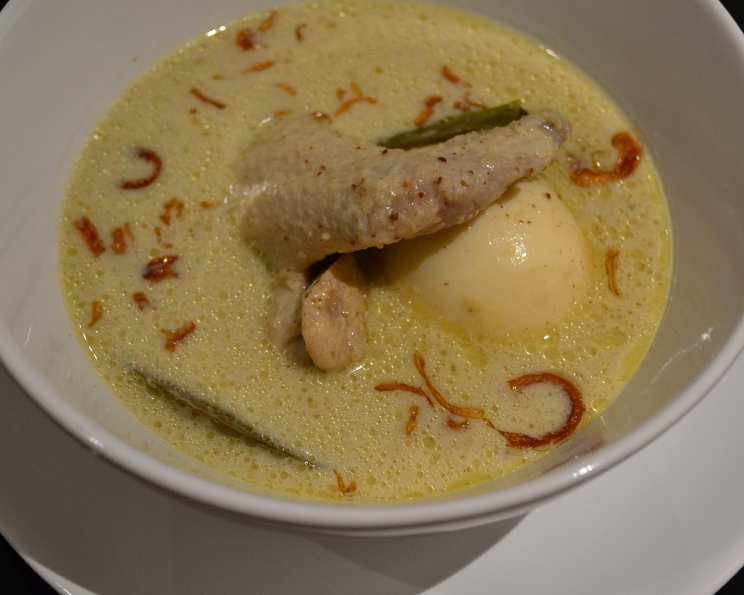
Opor Ayam: A Taste of Indonesian Celebration
The aroma of Opor Ayam has always been a signal of something special in my household. It’s not just a dish; it’s the scent of family gathering, laughter echoing, and the warmth of shared traditions. I remember, as a child, peeking into the kitchen on the eve of Eid al-Fitr, mesmerized by the bubbling pot, the rich, creamy gravy promising a symphony of flavors. It’s a dish that embodies the spirit of Indonesian hospitality, a mild yet deeply satisfying curry that graces tables during the most cherished celebrations. This particular version, with its fragrant spice paste and tender chicken, always felt like a hug in a bowl, a comforting embrace of home.
Recipe Overview
- Prep Time: 20 minutes
- Cook Time: 1 hour
- Total Time: 1 hour 20 minutes
- Servings: 8
- Yield: A generous portion of fragrant chicken curry
- Dietary Type: Can be Dairy-Free (if using alternative to macadamia nuts if they are the only source of fat, otherwise naturally dairy-free)
Ingredients
The magic of Opor Ayam lies in its harmonious blend of spices and the lusciousness of coconut milk. Here’s what you’ll need to create this celebratory masterpiece:
- 1 kg chicken pieces (thighs and drumsticks are excellent choices for their flavor and tenderness)
- 8 hard-boiled eggs (optional, but a wonderful addition for texture and visual appeal)
- 1 lime, juice only (for a touch of brightness and to help prepare the chicken)
- 1 liter water
- 400 ml coconut cream (full-fat is best for richness)
- 2 stalks lemongrass, bruised (smash them gently with the back of a knife to release their fragrant oils)
- 2 bay leaves
- 5 kaffir lime leaves (tear them slightly to enhance their aroma)
- 1 teaspoon white pepper, toasted (toasting brings out its subtle heat and fragrance)
- 2 tablespoons coriander seeds, toasted (a cornerstone of Indonesian spice blends)
- ½ teaspoon cumin seed, toasted (adds a warm, earthy note)
- 3 candle nuts (macadamia nuts can be a good substitute, offering a similar creamy texture)
- 10 shallots, peeled and roughly chopped
- 5 cloves garlic, peeled
- 2 inches ginger, peeled and roughly chopped
- 2 inches galangal, peeled and roughly chopped (if fresh galangal is unavailable, a smaller amount of ginger can be substituted, though the distinct flavor will be altered)
- 1 inch turmeric, roasted (roasting deepens its color and mellows its flavor)
- 1 teaspoon salt (to taste, adjust as needed)
- 3 tablespoons cooking oil, for stir-frying
Equipment Needed
For this culinary journey, you’ll primarily need a few essential kitchen tools:
- A food processor or blender for creating the spice paste.
- A large saucepan or pot for simmering the curry.
- A wok or frying pan for stir-frying the spice paste and chicken.
- A cutting board and chef’s knife for preparing ingredients.
- A mortar and pestle (optional, if you prefer to toast and grind spices manually for maximum flavor).
Instructions
Crafting Opor Ayam is a labor of love, a process that rewards patience with an explosion of comforting flavors. Follow these steps carefully to achieve that authentic, home-cooked taste.
- Begin by preparing the chicken. Rub the chicken pieces thoroughly with the lime juice. This not only adds a subtle tang but also helps to tenderize the meat. Set aside while you prepare the spice paste.
- Now, let’s create the heart of the dish: the spice paste. In your food processor or blender, combine the toasted spices (white pepper, coriander seeds, cumin seed), shallots, garlic, galangal, ginger, turmeric, and candle nuts. Blend until you achieve a smooth paste. If the mixture is too thick and struggling to blend, you may add a little water or cooking oil (just a tablespoon at a time) to help achieve that desirable smooth consistency.
- In a large saucepan or pot, gently combine the water and the coconut cream. Place this over low heat. Add the bruised lemongrass stalks, bay leaves, and torn kaffir lime leaves to the liquid. Allow this to warm through gently; you don’t want it to boil at this stage.
- Meanwhile, in a wok or frying pan, heat a little cooking oil over medium heat. Once the oil is hot, carefully add the prepared spice paste. Stir-fry the paste, continuously stirring, until you can smell the beautiful aroma emanating from it. This process is crucial for developing the depth of flavor and removing any raw spice notes.
- Add the chicken pieces to the wok with the sautéed spice paste. Continue to stir and coat the chicken thoroughly with the spice mixture. Cook until the chicken pieces are sealed on all sides, and the spices have adhered to them.
- Once the coconut milk sauce in the saucepan has begun to warm up and the chicken is coated in the spice paste, add the chicken pieces directly into the saucepan with the coconut milk mixture.
- Turn the heat up under the saucepan to bring the curry to a boil. Once it reaches a boil, immediately lower the heat to low.
- Cover the saucepan and simmer for approximately 30 minutes, or until the chicken is tender and cooked through. Stir occasionally to prevent sticking.
- If you are using hard-boiled eggs, add them to the simmering curry during the last 10 minutes of the cooking time. This allows them to warm through and absorb some of the delicious flavors without becoming mushy.
- Taste the Opor Ayam and adjust the salt as needed.
- Garnish generously with deep-fried shallots and serve hot with steamed rice or rice cake.
Expert Tips & Tricks
- Toasting your spices is a game-changer for Opor Ayam. It unlocks their essential oils and transforms their aroma and flavor profile. Don’t skip this step!
- For an even richer and creamier texture, you can use two cans of coconut milk (one for the liquid base and one for the cream, or two cans of full-fat coconut milk and reduce the water).
- If you can’t find candle nuts, macadamia nuts are an excellent substitute. They provide a similar richness and creamy binder to the sauce. Soaked cashews can also work in a pinch.
- Roasting the turmeric root before grinding can help reduce any slightly bitter notes and enhance its earthy sweetness. A quick roast in a dry pan or a few minutes in a moderate oven will do the trick.
- To ensure your lemongrass releases its maximum flavor, give it a good bash with the back of your knife or a rolling pin.
- For a deeper flavor, you can brown the chicken pieces slightly in the wok before adding them to the simmering coconut milk.
Serving & Storage Suggestions
Opor Ayam is traditionally served as a centerpiece dish for festive occasions. It pairs beautifully with freshly steamed white rice, which acts as a perfect canvas to soak up the rich, fragrant gravy. You can also serve it with ketupat (compressed rice cakes) or even lontong (rice cakes made by boiling rice in banana leaves). A sprinkle of crispy deep-fried shallots is not just a garnish; it adds a delightful textural contrast and an extra layer of savory flavor.
Leftovers of Opor Ayam can be stored in an airtight container in the refrigerator for 2-3 days. The flavors actually tend to meld and deepen overnight, making it even more delicious the next day. To reheat, gently warm it on the stovetop over low heat, stirring occasionally, or microwave it until heated through. If the gravy has thickened considerably, you can add a splash of water or coconut milk to loosen it to your desired consistency.
Nutritional Information
(Please note: This is an approximate nutritional breakdown and can vary based on specific ingredient brands and exact measurements.)
| Nutrient | Amount per Serving | % Daily Value |
|---|---|---|
| Calories | 615.5 kcal | 31% |
| Total Fat | 34.5 g | 53% |
| Saturated Fat | 15.7 g | 78% |
| Cholesterol | 93.8 mg | 31% |
| Sodium | 414.4 mg | 17% |
| Total Carbohydrate | 51.3 g | 17% |
| Dietary Fiber | 1.8 g | 7% |
| Sugars | 32.3 g | 129% |
| Protein | 27.2 g | 54% |
Variations & Substitutions
While this recipe offers a classic Opor Ayam experience, feel free to experiment:
- Vegetarian/Vegan Opor: Replace the chicken with firm tofu or tempeh, and ensure your candle nut substitute doesn’t contain dairy if aiming for a vegan dish. The rest of the recipe can largely remain the same.
- Spicier Version: For those who enjoy a bit more heat, add a few fresh red chilies (seeded or unseeded, depending on desired heat) to the spice paste during blending.
- Added Vegetables: You can introduce vegetables like potatoes or green beans to the curry during the last 15-20 minutes of simmering for a more substantial meal.
- Different Meats: While chicken is traditional, Opor can also be made with duck or even beef for a richer, gamey flavor. Cooking times will need to be adjusted accordingly.
FAQs (Frequently Asked Questions)
Q: What is the significance of Opor Ayam in Indonesian culture?
A: Opor Ayam is a beloved dish traditionally served during major Indonesian celebrations like Eid al-Fitr (Hari Raya Lebaran) and Eid al-Adha, symbolizing togetherness and gratitude.
Q: Why are the spices toasted in this recipe?
A: Toasting the spices before grinding them helps to release their essential oils, intensifying their aroma and flavor, and creating a more nuanced and complex taste in the final dish.
Q: Can I make the spice paste ahead of time?
A: Yes, you can prepare the spice paste a day in advance and store it in an airtight container in the refrigerator. This can save you time on the day of cooking.
Q: What can I do if my Opor Ayam sauce is too thin?
A: If the sauce is thinner than you’d like, you can simmer it uncovered for a bit longer to allow some of the liquid to evaporate. Alternatively, you can make a slurry of a teaspoon of cornstarch or rice flour mixed with a tablespoon of water and stir it into the simmering curry until it thickens.
Q: Is it okay to use pre-ground spices if I don’t have whole ones?
A: While toasted whole spices offer superior flavor, you can use pre-ground spices in a pinch. Be sure to adjust the quantity as ground spices can be more potent. Toasting ground spices briefly in a dry pan can still enhance their flavor slightly.
Final Thoughts
Opor Ayam is more than just a recipe; it’s an invitation to experience the soul of Indonesian cuisine. It’s a dish that speaks of tradition, family, and the simple joy of sharing a delicious meal. Whether you’re preparing it for a special occasion or simply craving a taste of comfort, this Opor Ayam promises to transport your senses. Gather your ingredients, embrace the fragrant process, and savor every spoonful of this exquisite Indonesian classic. I encourage you to try it, and I’d love to hear about your culinary adventures with it!