
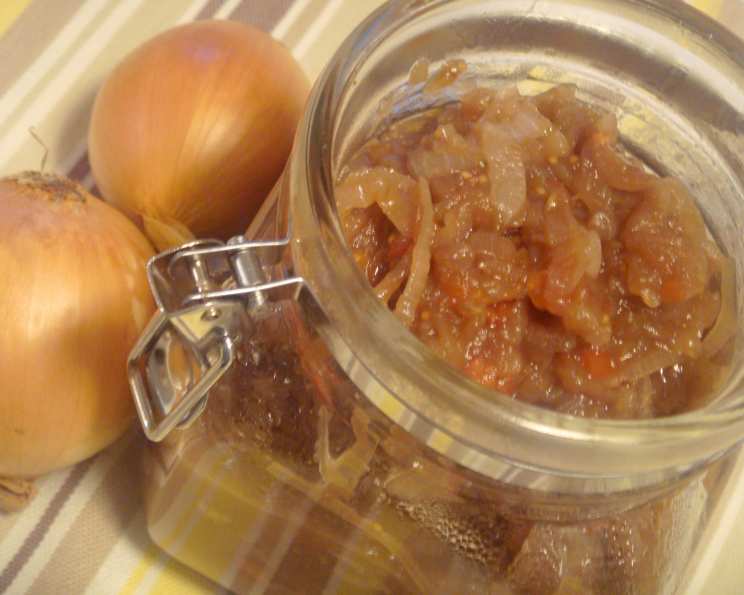
The Sweet Alchemy of Onion Jam: A Chef’s Enduring Fascination
The scent of onions caramelizing is one of the foundational aromas in any professional kitchen, a prelude to countless savory masterpieces. But there’s a special magic that happens when you coax that sweetness further, transforming humble alliums into a rich, glossy jewel: onion jam. I first encountered this revelation in a cookbook swap many years ago, a slim volume from Ontario that promised a savory jam for meats and appetizers. What I discovered was a condiment that transcended its humble origins, a testament to patience and the inherent sweetness locked within the onion, begging to be set free through slow, deliberate cooking. It’s a dish that speaks to the soul of a cook, a reminder that even the most everyday ingredients can achieve extraordinary grace.
Recipe Overview
- Prep Time: 15 minutes
- Cook Time: 45 minutes
- Total Time: 1 hour
- Servings: 12 (as a condiment)
- Yield: Approximately 2 cups
- Dietary Type: Vegan
The Essential Ingredients
The beauty of onion jam lies in its simplicity. A handful of pantry staples, patiently transformed, yield a profound depth of flavor.
- 6 medium onions, sliced thinly
- 1/4 cup olive oil
- 1 pinch sea salt
- 1 tablespoon balsamic vinegar
- 1/4 cup port wine
- 1 sprig fresh thyme
- 1/2 cup muscovado sugar
- 1 teaspoon mustard seeds
- 1/2 teaspoon red pepper flakes
- 1/4 cup tomatoes, finely chopped
What You’ll Need
This recipe calls for a few essential tools that ensure success:
- A large, heavy-bottomed frying pan or Dutch oven
- A sharp knife for slicing onions
- A cutting board
- A wooden spoon or heatproof spatula for stirring
- A jar for storage
The Art of Transformation: Crafting the Onion Jam
The process of making onion jam is a masterclass in patience, transforming raw, pungent onions into a sweet, complex condiment. It’s less about rapid cooking and more about coaxing out their inherent sugars and developing layers of flavor.
- Begin by heating the olive oil in your heavy frying pan over medium heat. Once shimmering, add the thinly sliced onions.
- Sauté the onions until they begin to soften and take on a slightly golden hue. This initial browning is crucial for building a foundation of flavor.
- Season the onions with a pinch of sea salt.
- Reduce the heat to low. Continue to cook the onions, stirring constantly, until they are deeply caramelized and beautifully tender. This can take anywhere from 20 to 30 minutes, depending on your stove and pan. Resist the urge to rush this step; the slow caramelization is key to the jam’s sweetness and depth.
- Once the onions are perfectly caramelized, add the rest of the ingredients, EXCEPT for the finely chopped tomatoes. This includes the balsamic vinegar, port wine, fresh thyme sprig, muscovado sugar, mustard seeds, and red pepper flakes.
- Stir everything together until well combined. Continue to cook on low heat for 30 minutes, stirring occasionally. This allows the flavors to meld and the jam to thicken.
- After 30 minutes, stir in the finely chopped tomatoes. Continue to cook for an additional 15 minutes, allowing the tomatoes to soften and integrate into the jam.
- Remove the pan from the heat and allow the onion jam to cool completely. This is essential before storing.
- Once cooled, discard the thyme sprig. Transfer the onion jam to a clean jar for storage.
Chef’s Secrets for Jam Perfection
- The Right Onion: While any onion will technically work, sweet varieties like Vidalia or Walla Walla will yield an even more luscious jam. Red onions can add a beautiful color but may offer a slightly sharper initial bite.
- Patience is Key: I cannot stress this enough. The slow, gentle caramelization of the onions is the heart of this recipe. If you try to rush it by using high heat, you’ll end up with burnt onions, not a jam. Low and slow is the mantra here.
- Stirring is Non-Negotiable: Especially during the caramelization phase, constant stirring prevents sticking and ensures even browning. After adding the other ingredients, occasional stirring is sufficient to prevent burning.
- The “Low Heat” Rule: Once everything is combined, maintaining a low heat is crucial. This allows the jam to simmer gently, thicken gradually, and for the flavors to marry without becoming acrid.
- Don’t Fear the Sugar: Muscovado sugar, with its molasses notes, adds a beautiful depth and richness. If you can’t find it, dark brown sugar is the next best alternative.
Serving and Storage: Savoring the Sweetness
This onion jam is incredibly versatile and can elevate a multitude of dishes.
To Serve:
Onion jam is a magnificent accompaniment to any roasted or grilled meat, from a simple pork chop to a hearty steak. It’s also a fantastic addition to a cheese board, providing a sweet counterpoint to sharp cheddars or creamy bries. Try it spread on crostini with goat cheese for an elegant appetizer, or even dolloped onto a burger for an unexpected burst of flavor.
To Store:
Store the cooled onion jam in an airtight jar in the refrigerator. It will keep for up to 2 weeks. The flavors actually tend to deepen and meld further after a day or two, making it even more delicious.
Nutritional Snapshot (Approximate per Serving)
| Nutrient | Amount per Serving | % Daily Value |
|---|---|---|
| Calories | 105 kcal | 5% |
| Total Fat | 4.6 g | 6% |
| Saturated Fat | 0.7 g | 4% |
| Cholesterol | 0 mg | 0% |
| Sodium | 52 mg | 2% |
| Total Carbohydrate | 14.6 g | 5% |
| Dietary Fiber | 1 g | 4% |
| Sugars | 11.3 g | 23% |
| Protein | 0.7 g | 1% |
Note: Nutritional values are estimates and can vary based on specific ingredients and portion sizes.
Variations and Substitutions
While this recipe is a classic for a reason, here are a few ideas to keep things exciting:
- Spicy Kick: For an extra layer of heat, increase the red pepper flakes or add a finely minced fresh chili pepper along with the tomatoes.
- Herbal Infusion: Experiment with other woody herbs like rosemary or sage, finely chopped, added at the same time as the thyme.
- Aged Balsamic: If you have a particularly good quality aged balsamic vinegar, a small splash can add an extra dimension of complex sweetness and acidity.
- Whiskey Swap: Instead of port wine, a splash of good quality whiskey can add a smoky, warming note to the jam.
Frequently Asked Questions
Q: How do I know when the onions are perfectly caramelized?
A: The onions should be a deep, rich golden-brown color, soft, and sweet. They will have significantly reduced in volume from their raw state.
Q: Can I use regular sugar instead of muscovado?
A: Yes, you can substitute regular granulated sugar, but muscovado (or dark brown sugar) lends a deeper, more complex flavor due to its molasses content.
Q: My jam seems too thin. How can I thicken it?
A: Continue to simmer it on low heat, uncovered, stirring more frequently until it reaches your desired consistency. Be cautious not to let it burn.
Q: Can I make this jam ahead of time for a party?
A: Absolutely! This jam is excellent made a day or two in advance, as the flavors deepen. It’s perfect for preparing ahead for gatherings.
Q: What’s the best way to serve this jam with cheese?
A: Offer it in a small bowl alongside your cheese selection, allowing guests to spoon it onto crackers or directly onto the cheese.
A Sweet Conclusion
Onion jam is more than just a condiment; it’s a testament to the transformative power of time and heat. It’s a recipe that rewards patience with unparalleled depth of flavor, turning the humble onion into a star ingredient. So, the next time you find yourself with a surplus of onions, consider embarking on this culinary journey. You’ll be rewarded with a jar of pure, sweet, savory magic, ready to elevate any meal or appetizer. I encourage you to experiment with its applications and discover your own favorite ways to enjoy this delightful creation.