
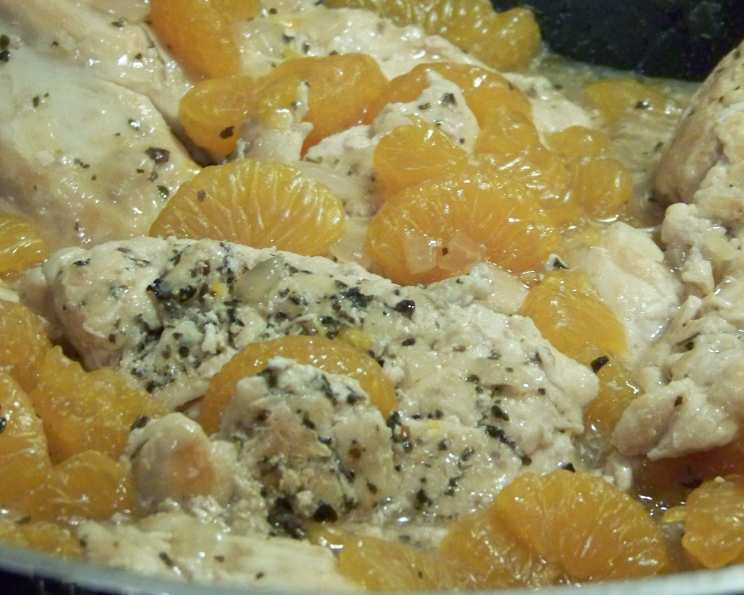
Onion-Fried Mandarin Orange Chicken: A Symphony of Sweet and Savory
I remember the first time I encountered a dish that dared to pair the humble onion with the bright, citrusy burst of mandarin oranges. It was at a potluck, one of those informal gatherings where culinary risks are often taken, and this particular creation stood out. The aroma alone was a revelation – a sweet, caramelized fragrance mingling with something savory and deeply comforting. The chicken, impossibly tender, was coated in a glossy sauce that shimmered with flecks of orange. It was an unexpected dance of flavors, a testament to how simple ingredients, treated with a little care, can create something truly magical. This dish has since become a go-to in my repertoire, a quick yet impressive meal that never fails to delight.
Recipe Overview
- Prep Time: 15 minutes
- Cook Time: 15 minutes
- Total Time: 30 minutes
- Servings: 6
- Yield: N/A (Main Dish)
- Dietary Type: Adaptable (Chicken dish)
Ingredients
- 6 boneless, skinless chicken breasts, pounded slightly to flatten
- 1 ½ teaspoons dried basil leaves
- ¼ teaspoon salt
- 1 dash cayenne pepper
- 1 tablespoon butter
- ½ cup finely chopped onion
- ½ cup chicken broth
- 1 (11 ounce) can mandarin orange segments, drained, reserving 2 tablespoons of the liquid
- 1 teaspoon cornstarch
Equipment Needed
- Large nonstick skillet
- Small bowl
- Whisk or fork
Instructions
- Begin by preparing the chicken breasts. Season them evenly on both sides with the dried basil leaves, salt, and a dash of cayenne pepper. This initial seasoning is crucial for infusing flavor right into the meat.
- Place a large nonstick skillet over medium-high heat. Add the butter and allow it to melt completely, coating the bottom of the pan.
- Carefully add the seasoned chicken breasts to the hot skillet. Cook for approximately 5 minutes on the first side. You’re looking for a nice sear to develop, which will add depth of flavor and texture.
- Flip the chicken breasts over. Now, add the finely chopped onion to the skillet, scattering it around the chicken. Continue to cook for an additional 4 to 6 minutes. During this time, the onions will begin to soften and caramelize, and the chicken will finish cooking. The chicken is done when it is fork-tender and the juices run clear.
- While the chicken and onions are finishing, prepare the sauce. In a small bowl, combine the chicken broth, the reserved liquid from the mandarin oranges, and the cornstarch. Blend well with a whisk or fork until there are no lumps of cornstarch visible. This ensures a smooth, thickened sauce.
- Pour this cornstarch mixture into the skillet with the chicken and onions. Cook, stirring constantly, until the sauce thickens and becomes bubbly. The cornstarch will activate with the heat and liquid, creating a glossy, rich sauce that coats everything beautifully.
- Finally, gently stir in the drained mandarin orange segments. Continue to cook for just a minute or two more, until the oranges are heated through. Be careful not to overcook at this stage, as the oranges can become mushy.
Expert Tips & Tricks
When pounding the chicken breasts, aim for an even thickness, about ½-inch to ¾-inch. This ensures that the chicken cooks uniformly and becomes tender without becoming dry. Don’t be afraid of the cayenne pepper; even a small dash adds a subtle warmth that beautifully complements the sweetness of the oranges and the savory onions. If you find your cornstarch slurry is too thick after adding it to the skillet, you can always thin it slightly with a tablespoon or two of additional chicken broth or water. For an even more pronounced onion flavor, you can use a mix of yellow and red onions, or even a shallot for a more delicate sweetness.
Serving & Storage Suggestions
This Onion-Fried Mandarin Orange Chicken is wonderfully versatile. It shines when served hot, immediately after preparation, to best appreciate the texture of the chicken and the glossy sauce. It pairs beautifully with steamed white rice or fluffy quinoa to soak up every last drop of that delicious sauce. A side of steamed broccoli or green beans adds a fresh, crisp contrast.
Leftovers can be stored in an airtight container in the refrigerator for up to 2 days. The flavors tend to meld and deepen overnight, making it surprisingly delicious as a cold dish, or it can be gently reheated. To reheat, place the chicken and sauce in a skillet over low heat, or microwave in short intervals, stirring occasionally, until heated through. Avoid high heat when reheating, as it can toughen the chicken.
Nutritional Information
| Nutrient | Amount per Serving | % Daily Value |
|---|---|---|
| Calories | 185.5 kcal | |
| Calories from Fat | ||
| Total Fat | 3.7 g | 5% |
| Saturated Fat | 1.7 g | 8% |
| Cholesterol | 73.5 mg | 24% |
| Sodium | 252.4 mg | 10% |
| Total Carbohydrate | 8.9 g | 2% |
| Dietary Fiber | 1.2 g | 4% |
| Sugars | 6.2 g | 24% |
| Protein | 28.2 g | 56% |
(Note: Nutritional values are estimates and can vary based on specific ingredients and portion sizes.)
Variations & Substitutions
For those seeking a gluten-free option, ensure your chicken broth is certified gluten-free and consider using arrowroot powder or tapioca starch instead of cornstarch for thickening. The sauce will have a slightly different, perhaps glossier, texture. You could also experiment with different citrus fruits; while mandarin oranges offer a distinct sweetness, canned pineapple chunks (drained, reserving the juice) could provide a tropical twist. For a vegetarian or vegan alternative, firm tofu or tempeh, pressed and cubed, could be used instead of chicken, and vegetable broth swapped for chicken broth.
FAQs
Q: Can I use chicken thighs instead of breasts?
A: Absolutely! Chicken thighs will yield an even more tender and flavorful result, though they may take a minute or two longer to cook through.
Q: My sauce didn’t thicken. What went wrong?
A: Ensure your cornstarch and liquid were blended thoroughly before adding to the hot skillet. Also, make sure the sauce was allowed to simmer and bubble for at least a minute to activate the starch.
Q: How can I make the onion flavor more prominent?
A: You can caramelize the onions separately before adding the chicken, or for a deeper flavor, use a combination of yellow and red onions.
Q: Is this dish spicy?
A: The cayenne pepper adds a very subtle warmth. If you prefer a spicier dish, you can increase the amount of cayenne or add a pinch of red pepper flakes.
Q: Can I prepare this dish ahead of time?
A: While it’s best enjoyed fresh, you can prepare the sauce and cook the chicken and onions ahead of time. Reheat gently and add the oranges just before serving.
Final Thoughts
This Onion-Fried Mandarin Orange Chicken is a testament to the unexpected pairings that can elevate everyday cooking. It’s a dish that speaks of comfort and a touch of elegance, all achieved with minimal fuss and time. It’s the kind of meal that makes you pause, savor, and feel a sense of accomplishment in the kitchen. I encourage you to try this delightful combination, and I’m eager to hear about your experiences and any delicious variations you might discover. Serve it with pride, and enjoy the symphony of flavors!