
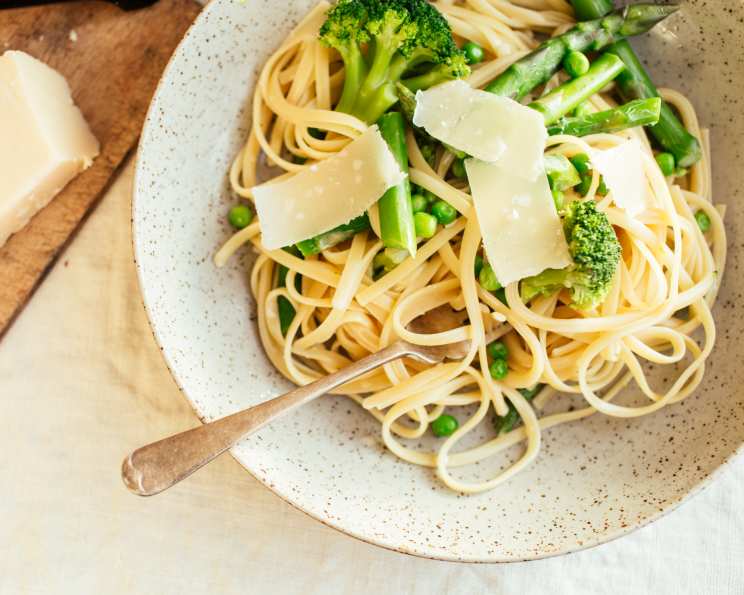
The Magic of the One-Pot Veggie Pasta: A Symphony of Simplicity
There are certain dishes that, with a single glance at their ingredient list and method, conjure immediate memories of frantic weeknights and the quiet satisfaction of a home-cooked meal. This One-Pot Veggie Pasta is precisely one of those dishes for me. I remember vividly, years ago, flipping through a worn copy of an old magazine, a page dog-eared with a picture that promised effortless elegance. The idea of transforming humble ingredients into a complete, vibrant meal without a mountain of dishes to tackle felt like a culinary revelation. It’s become a go-to in my repertoire, a testament to how simple techniques and fresh produce can create something truly nourishing and utterly delicious.
Recipe Overview
- Prep Time: 10 minutes
- Cook Time: 20 minutes
- Total Time: 30 minutes
- Servings: 4
- Yield: One Pot of Pasta
- Dietary Type: Vegetarian
Ingredients
This recipe is a beautiful blank canvas, celebrating fresh, seasonal vegetables. The beauty lies in its simplicity, allowing the natural flavors of each ingredient to shine.
- 12 ounces linguine
- 2 cups fresh broccoli florets
- 1 cup fresh asparagus, cut into 1-inch pieces
- 2 cups sliced zucchini
- 1/2 cup fresh snow peas
- 1/2 cup frozen green peas, thawed
- 1/2 cup half-and-half cream
- 1/2 cup Parmesan cheese, grated
- 2 tablespoons butter, softened
- 1/4 teaspoon salt
- 1/4 teaspoon pepper
Equipment Needed
For this wonderfully simple dish, you won’t need an arsenal of tools. The star of the show is a single, generous pot.
- One large pot (at least 6-quart capacity)
Instructions
The beauty of this recipe is that it all happens in one pot, minimizing cleanup and maximizing flavor. The pasta cooks directly in the liquid with the vegetables, absorbing their essence and creating a naturally thickened sauce.
- Begin by bringing a large pot of water to a rolling boil. This is your foundation for perfectly cooked pasta.
- Once the water is boiling vigorously, add the linguine. Let it boil for 7 minutes, stirring occasionally to prevent the pasta from sticking together.
- Next, it’s time to introduce the first wave of vegetables. Gradually add the broccoli florets and asparagus to the boiling water. Continue to cook for 2 minutes more. The key here is to add them gradually so that the boiling water doesn’t stop.
- Now, introduce the remaining vegetables. Gradually add the sliced zucchini, snow peas, and frozen green peas. Continue to cook for 3 minutes longer. This controlled addition ensures each vegetable is cooked to its optimal tenderness without becoming mushy.
- While the pasta and vegetables are in their final moments of cooking, prepare the creamy sauce. In a large serving bowl, combine the half-and-half cream, grated Parmesan cheese, softened butter, salt, and pepper.
- Once the cooking time is complete, drain the pasta and vegetables thoroughly. Immediately transfer the drained contents of the pot into the serving bowl with the cream mixture.
- Toss everything together vigorously until all the pasta and vegetables are beautifully coated with the rich, creamy sauce.
- Serve at once. This dish is best enjoyed fresh off the stove, when the textures are vibrant and the sauce is at its creamiest.
Expert Tips & Tricks
As a chef, I’m always looking for ways to elevate even the simplest dishes. While this recipe is inherently straightforward, a few small adjustments can make a big difference.
- Vegetable Harmony: The order in which you add the vegetables is crucial for achieving the perfect al dente texture for each. Harder vegetables like broccoli and asparagus need a head start, while zucchini and peas cook more quickly.
- The Power of the Pot: Ensure your pot is large enough. Overcrowding can lead to uneven cooking and sticky pasta. A good rule of thumb is to have ample room for the water to circulate.
- Creamy Finish: For an even richer sauce, you can reserve about 1/2 cup of the pasta cooking water before draining. Stir this starchy water into the cream mixture in the serving bowl before adding the pasta and vegetables. It acts as a natural emulsifier, binding the sauce beautifully.
- Parmesan Perfection: Grate your Parmesan cheese fresh. Pre-grated cheese often contains anti-caking agents that can prevent it from melting as smoothly into the sauce.
- Spice It Up: A pinch of red pepper flakes added to the cream mixture can provide a subtle warmth and depth of flavor that complements the fresh vegetables beautifully.
Serving & Storage Suggestions
This One-Pot Veggie Pasta is a complete meal in itself, bursting with fresh flavors and satisfying textures. It’s a dish that’s meant to be devoured immediately, but if you find yourself with leftovers, here’s how to handle them.
This pasta is at its absolute best when served piping hot, immediately after tossing with the creamy sauce. Garnish with a sprinkle of extra Parmesan cheese, a twist of black pepper, or a few fresh basil leaves for a pop of color and aroma.
Leftovers can be stored in an airtight container in the refrigerator for up to 2 days. When reheating, it’s best to do so gently. Add a splash of milk or cream to the pasta in a skillet over low heat, stirring frequently until warmed through. Microwaving is also an option, but be mindful that the pasta may become a bit softer.
Nutritional Information
Here’s an approximate breakdown of the nutritional content for this delicious one-pot wonder.
| Nutrient | Amount per Serving | % Daily Value |
|---|---|---|
| Calories | 518 | |
| Calories from Fat | 131 | |
| Total Fat | 14.6 g | 22% |
| Saturated Fat | 8.3 g | 41% |
| Cholesterol | 37.5 mg | 12% |
| Sodium | 456.4 mg | 19% |
| Total Carbohydrate | 76 g | 25% |
| Dietary Fiber | 5.8 g | 23% |
| Sugars | 6.6 g | 26% |
| Protein | 21.4 g | 42% |
Note: Nutritional values are estimates and can vary based on specific ingredients used.
Variations & Substitutions
The beauty of this dish lies in its adaptability. Feel free to customize it to your liking and what’s available in your kitchen.
- Gluten-Free: For a gluten-free version, simply swap out the linguine for your favorite gluten-free pasta. Cooking times may vary slightly, so follow the pasta package instructions.
- Dairy-Free/Vegan: Replace the half-and-half cream with unsweetened, full-fat coconut milk or a good quality cashew cream. For the Parmesan, nutritional yeast can provide a cheesy flavor, and a tablespoon of olive oil can replace the butter.
- Protein Boost: Add pre-cooked chicken, shrimp, or white beans during the last few minutes of cooking for a more substantial meal.
- Seasonal Swaps: In the spring, consider adding fresh peas and sugar snap peas. In the fall, butternut squash or sweet potatoes (cubed very small and added with the broccoli) can be a delightful addition.
- Herbacious Notes: Fresh herbs like parsley, dill, or chives can be stirred in at the very end for an extra burst of freshness.
FAQs
Q: Why is it important to add the vegetables in stages?
A: Adding vegetables at different times ensures that each type cooks to the perfect tenderness, preventing some from becoming overcooked and mushy while others are still too firm.
Q: Can I use dried herbs instead of fresh?
A: Yes, you can use dried herbs, but use them sparingly. A good rule of thumb is to use one-third the amount of dried herbs compared to fresh herbs. Add them with the cream mixture.
Q: What if my sauce seems too thick after mixing?
A: If the sauce is too thick, you can loosen it by stirring in a little more half-and-half cream or a splash of reserved pasta cooking water.
Q: Can I prepare this dish ahead of time?
A: While this dish is best enjoyed fresh, you can prepare the cream sauce base and chop all the vegetables in advance. Combine and cook just before serving for optimal texture.
Q: What kind of pot is best for this recipe?
A: A large, heavy-bottomed pot is ideal as it distributes heat evenly, preventing hot spots and ensuring consistent cooking for both the pasta and vegetables.
Final Thoughts
There’s a profound satisfaction in creating a delicious meal with minimal fuss and even less cleanup. This One-Pot Veggie Pasta embodies that philosophy perfectly. It’s a testament to the power of fresh ingredients and a straightforward approach, proving that wholesome, vibrant food doesn’t need to be complicated. I encourage you to try this recipe, to make it your own by experimenting with different vegetables and herbs, and to savor the simplicity. Share your creations, your variations, and your stories – after all, the best meals are often the ones we share. Enjoy!