
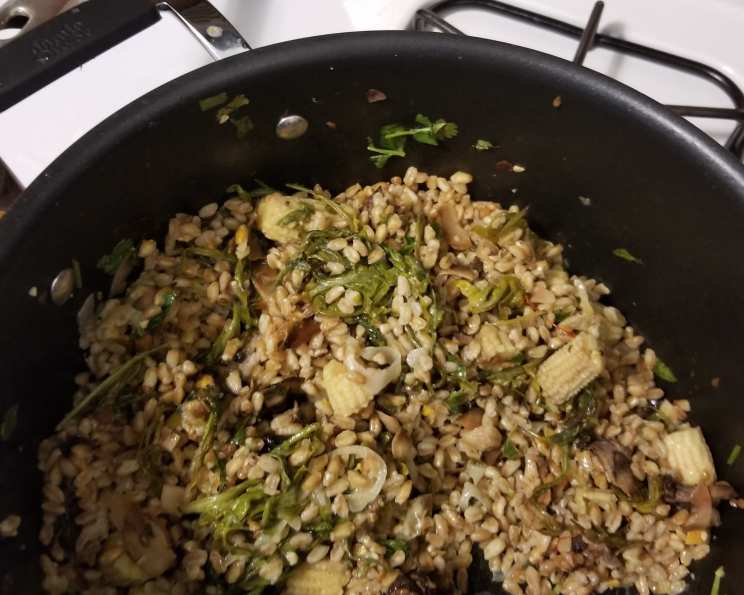
One-Pot Turmeric Coconut Rice With Greens: A Symphony of Flavor and Simplicity
There’s something inherently magical about a dish that comes together in a single pot, transforming humble ingredients into a vibrant, nourishing meal. This One-Pot Turmeric Coconut Rice with Greens holds a special place in my culinary repertoire, reminiscent of weeknights when inspiration was fleeting but the desire for something wholesome and deeply satisfying was paramount. I recall one particularly chilly evening, the kind that makes you crave warmth from the inside out, when I first stumbled upon a version of this recipe. The aroma of toasted coconut and fragrant turmeric began to fill my kitchen, a promise of comfort and exotic adventure all at once. As the fluffy rice absorbed the creamy coconut milk and the vibrant greens wilted into tender submission, I knew I had discovered a gem – a recipe that was not only incredibly easy but also bursting with nuanced flavors and beautiful color. It’s a testament to how simple, well-chosen ingredients can create something truly spectacular.
Recipe Overview
- Prep Time: 15 minutes
- Cook Time: 30 minutes
- Total Time: 45 minutes
- Servings: 4-6
- Yield: Serves 4-6
- Dietary Type: Vegan, Gluten-Free, Dairy-Free
Ingredients
- 2 cups long-grain rice, such as jasmine or basmati rice
- ½ cup unsweetened flaked coconut
- 1 tablespoon sesame seeds (white or black)
- 2 tablespoons coconut oil
- 1 scallion, thinly sliced, white and green parts separated
- 1-2 garlic cloves, minced
- 1 inch ginger, minced
- 2 teaspoons ground turmeric
- ½ teaspoon black pepper, plus more as needed
- 1 (14-ounce) can full-fat coconut milk
- 1 pinch saffron (optional)
- Kosher salt, to taste
- 1 bunch kale (or spinach or Swiss chard)
- 1 lime, juice and zest
- ½ cup cilantro, chopped
Equipment Needed
- Medium pot or Dutch oven with a lid
- Small bowl
- Knife
- Cutting board
- Measuring cups and spoons
- Citrus zester
Instructions
-
Begin by rinsing your rice. This is a crucial step to remove excess starch, which will prevent the rice from becoming gummy. Continue rinsing under cool running water until the water runs clear. Drain the rice thoroughly and set it aside.
-
In a medium pot or Dutch oven, you’ll toast the coconut and sesame seeds. Place the flaked coconut and sesame seeds in the dry pot over medium-low heat. Stir occasionally, watching closely, until they become fragrant and lightly golden brown. This usually takes about 3 to 5 minutes. Keep a close eye on them, as they can burn quickly. Once toasted, transfer them to a small bowl to prevent them from continuing to cook in the hot pot. Wipe out the pot with a paper towel to remove any residual bits.
-
Return the same pot to the stove over medium-low heat and melt the coconut oil. Add the scallion whites, minced garlic, minced ginger, ground turmeric, and ½ teaspoon of black pepper. Cook, stirring frequently, until the aromatics are fragrant and lightly toasted, which typically takes 3 to 5 minutes. This blooming of the spices in the oil is essential for unlocking their full flavor potential.
-
Now, add the rinsed rice to the pot with the aromatic mixture. Pour in the coconut milk and add the saffron (if using). Season generously with 1½ teaspoons of kosher salt. To ensure you have the right liquid-to-rice ratio, fill the empty coconut milk can with water and add this water to the pot as well. Give the entire mixture a good stir to ensure there are no clumps of rice or spices and to evenly distribute the ingredients. Bring the pot to a rolling boil over medium-high heat.
-
Once the mixture reaches a boil, cover the pot tightly with a lid. Reduce the heat to low and simmer for precisely 10 minutes. Avoid the temptation to lift the lid during this time.
-
While the rice is simmering, prepare your leafy greens. If you are using kale or Swiss chard, remove and discard the tough stems as needed. Then, cut or tear the leaves into bite-size pieces. When the rice has completed its initial 10-minute simmer, arrange the prepared greens evenly over the top of the rice. Season the greens well with salt and pepper. Cover the pot again and continue to cook until the rice is tender and the greens are wilted, which should take another 5 minutes. After this cooking time, remove the pot from the heat, but leave it covered, and let it sit for 5 minutes. This resting period allows the steam to finish cooking the rice and the greens, ensuring a perfect texture.
-
While the rice is resting, prepare the flavorful topping. Zest the lime and then cut it into 4 wedges for serving. In the small bowl where you toasted the coconut and sesame seeds, add the lime zest and the scallion greens. Season with salt and pepper to taste, and stir to combine these vibrant components.
-
Finally, add the chopped cilantro to the pot with the rice and greens. Using a spatula or fork, gently stir the greens into the rice, fluffing it as you go. Taste and season to taste with additional salt and pepper if needed. Divide the rice mixture among bowls. Sprinkle the prepared coconut-sesame mixture generously over each serving. Serve immediately with a lime wedge for squeezing over the top, adding a bright, zesty finish.
Expert Tips & Tricks
For an even deeper toasting of the coconut and sesame seeds, you can perform this step in a dry skillet over medium-low heat before adding them to the pot with the rice. This can help achieve a more pronounced nutty flavor. If you find your kale stems particularly tough, a quick blanch in boiling water before adding to the pot can help soften them further. When it comes to the turmeric, fresh ginger and garlic make a noticeable difference. If you have them on hand, grate or mince them finely for the best aroma and flavor. Don’t be afraid to adjust the heat level slightly throughout the cooking process if you notice your stovetop runs particularly hot or cool. The goal is a gentle simmer, not a vigorous boil, once the lid is on.
Serving & Storage Suggestions
This One-Pot Turmeric Coconut Rice with Greens is best served immediately after preparation, allowing the vibrant colors and fresh aromas to be at their peak. The fluffy, fragrant rice topped with the jewel-toned greens and the crunchy coconut-sesame mixture makes for a visually stunning dish. For an extra touch of elegance, a sprinkle of fresh edible flowers can elevate the presentation. Leftovers can be stored in an airtight container in the refrigerator for up to 3 days. While the texture of the rice might change slightly upon reheating, it will still be delicious. To reheat, gently warm the rice in a saucepan over low heat with a splash of water or in the microwave. Avoid over-reheating, as this can dry out the rice.
Nutritional Information
| Nutrient | Amount per Serving | % Daily Value |
|---|---|---|
| Calories | 712.4 kcal | |
| Calories from Fat | 333 g | |
| Total Fat | 37.1 g | 57 % |
| Saturated Fat | 31.2 g | 155 % |
| Cholesterol | 0 mg | 0 % |
| Sodium | 45.8 mg | 1 % |
| Total Carbohydrate | 88.1 g | 29 % |
| Dietary Fiber | 5.2 g | 20 % |
| Sugars | 1.3 g | 5 % |
| Protein | 11.8 g | 23 % |
Note: Nutritional values are estimates and can vary based on specific ingredients and portion sizes.
Variations & Substitutions
This recipe is wonderfully adaptable. For a different texture and flavor profile, feel free to substitute the kale with spinach, Swiss chard, or even bok choy. If you prefer a more robust flavor, consider adding a pinch of cayenne pepper along with the turmeric for a subtle kick. For those seeking an extra layer of richness, a drizzle of toasted sesame oil over the finished dish can be delightful. If you don’t have fresh ginger or garlic, you can substitute with ½ teaspoon of ground ginger and ¼ teaspoon of garlic powder, though fresh ingredients are always recommended for optimal flavor. For a nut-free option, simply omit the flaked coconut and increase the sesame seeds slightly.
FAQs
Q: Why do I need to rinse the rice?
A: Rinsing removes excess starch, preventing the rice from becoming clumpy and ensuring a fluffy texture.
Q: Can I use brown rice instead of jasmine or basmati?
A: Yes, but you’ll need to adjust the cooking time. Brown rice generally requires more liquid and a longer simmering period, typically around 40-45 minutes.
Q: What can I use if I don’t have saffron?
A: Saffron adds a beautiful color and subtle flavor, but it’s optional. You can omit it entirely, or for a similar hue, a tiny pinch of ground turmeric in the final step can help.
Q: My greens seem tough, what did I do wrong?
A: Ensure you’ve removed the tough stems from greens like kale or Swiss chard. Cutting or tearing them into smaller pieces also helps them cook more quickly and evenly.
Q: Can I make this dish ahead of time?
A: While best served fresh, leftovers can be stored in the refrigerator and reheated gently. The greens might soften more upon reheating.
Final Thoughts
This One-Pot Turmeric Coconut Rice with Greens is more than just a recipe; it’s an invitation to embrace simplicity without sacrificing flavor. It’s a testament to the power of humble ingredients and the beauty of one-pot cooking. I encourage you to gather your loved ones, fill your kitchen with the warm aromas of turmeric and coconut, and savor this nourishing and vibrant dish. It pairs beautifully with a crisp, light salad or a side of grilled halloumi for a complete and satisfying meal. I hope this recipe brings as much joy and comfort to your table as it has to mine.