
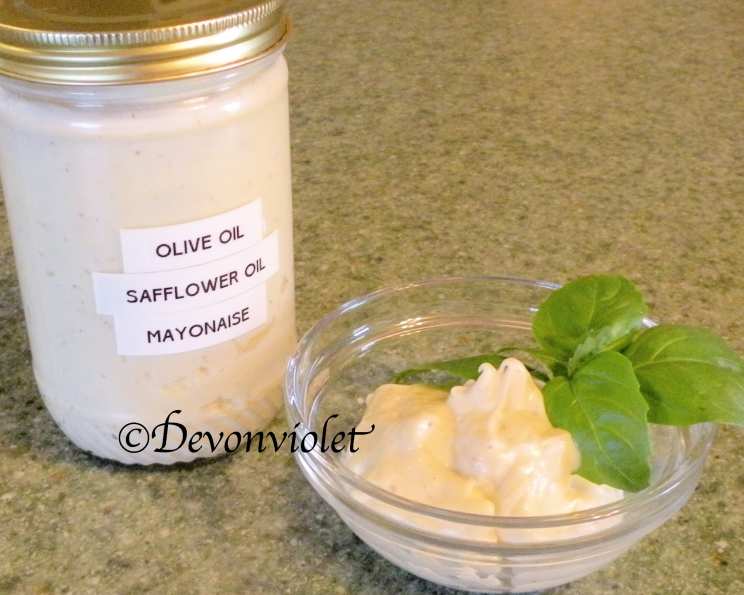
The Art of the Emulsion: Crafting Your Own Olive Oil & Safflower Mayo
There are certain flavors that, for me, are more than just food; they’re a gateway to memory. For years, I’ve been on a quest for the perfect homemade mayonnaise, a condiment that feels both luxurious and wholesome. My early attempts were, to put it mildly, disheartening – a watery, eggy mess that refused to emulsify. It was a culinary humbling experience, a stark reminder that some things, even seemingly simple ones, require a touch of finesse. But the pursuit of that creamy, tangy perfection, the kind that elevates a simple sandwich to an art form or provides the perfect canvas for a vibrant potato salad, kept me going. This recipe, born from trial and error, is that triumphant culmination – a testament to patience and understanding the subtle science behind a perfect emulsion.
Recipe Overview
- Prep Time: 10 minutes
- Cook Time: 0 minutes
- Total Time: 10 minutes
- Servings: Approximately 27
- Yield: About 1.5 cups (27 tablespoons)
- Dietary Type: Gluten-Free, Dairy-Free
Ingredients
The beauty of homemade mayonnaise lies in its simplicity, relying on just a few high-quality ingredients to create something truly special. Here’s what you’ll need:
- 1 large egg, at room temperature. This is crucial for a stable emulsion. Cold eggs can shock the mixture and prevent it from thickening.
- 1 cup safflower oil. Its neutral flavor is perfect for building a base, allowing other flavors to shine.
- ½ cup olive oil (Extra Virgin). This adds a wonderful depth and a touch of peppery complexity. Using a blend of oils, as I found, prevents the sometimes overwhelming intensity of pure olive oil mayo.
- 2 teaspoons brown mustard. Brown mustard, with its robust flavor, works beautifully. However, feel free to experiment with Dijon or even a good quality yellow mustard.
- ¼ teaspoon sea salt. This enhances all the other flavors and brings the mayonnaise to life.
- 4 teaspoons lemon juice (Bottled juice works). The acidity is key to balancing the richness of the oils and egg, and it also plays a role in the emulsion.
Equipment Needed
While you don’t need a professional kitchen for this, a few essential tools will make the process seamless:
- Food processor or blender. This is your primary tool for achieving the perfect emulsion.
- Measuring cups and spoons. Precision is key in mayonnaise making.
- Glass jar with a tight-fitting lid for storage.
Instructions
The magic happens quickly when you understand the fundamental principle: slowly introducing fat into a stable base. This method ensures a smooth, velvety mayonnaise every time.
- Begin by placing the egg into your food processor or blender. Ensure the egg is at room temperature for the best results.
- Turn on the food processor or blender. With the motor running, begin to slowly drizzle in the oil mixture (the combined safflower oil and olive oil). This is the most critical step. You want to start with just a few drops at a time, allowing them to incorporate fully before adding more. As you continue to drizzle, you’ll notice the mixture beginning to thicken. The more oil you add, the thicker the mayonnaise will become.
- Once all the oil mixture has been added and the mayonnaise has significantly thickened, it’s time to add the flavor elements. Add the brown mustard, sea salt, and lemon juice to the food processor or blender.
- Pulse the food processor or blender several times until all the ingredients are thoroughly blended and the mayonnaise is uniformly smooth and creamy.
- Carefully scoop the finished mayonnaise into a clean glass jar, securing it with a tight-fitting lid. Store the mayonnaise in the refrigerator. It will stay fresh and delicious for up to ten days.
Expert Tips & Tricks
The journey to perfect homemade mayo is paved with a few crucial insights. Keep these in mind for consistently spectacular results:
- Room Temperature is Non-Negotiable: I can’t stress this enough. A cold egg is your enemy when making mayonnaise. Let it sit out on the counter for at least 30 minutes before you start.
- The Slow Drizzle is King: Patience is a virtue, especially in mayonnaise making. Start with mere drops of oil, then move to a thin, steady stream. If you pour the oil in too quickly, the emulsion will break, leaving you with an oily, separated mess.
- Embrace the Blend: If your mayonnaise seems a little too thick, you can thin it out slightly by adding a tiny bit more lemon juice or even a teaspoon of water. If it’s too thin and seems like it hasn’t emulsified properly, don’t despair! You can often rescue it by starting again with another egg yolk in a clean bowl and slowly drizzling the broken mixture into it, just as you did with the oil.
- Oil Choice Matters: While this recipe uses a blend of safflower and olive oil for balance, feel free to experiment. Avocado oil, grapeseed oil, or even a light, mild vegetable oil can be used. Just be mindful of strong flavors like extra virgin olive oil if you’re aiming for a very neutral mayonnaise.
Serving & Storage Suggestions
Homemade mayonnaise is a versatile ingredient that can elevate so many dishes. It’s fantastic as a spread on sandwiches, a base for creamy dips and dressings, or as an accompaniment to seafood and grilled meats.
To serve, simply spoon it out of the jar. For a more elegant presentation, you can transfer it to a small, decorative bowl.
Storage is straightforward. As mentioned, this mayonnaise will keep for up to ten days when refrigerated in a clean, airtight glass jar. Always use a clean spoon to scoop out the mayonnaise to prevent introducing any bacteria from other foods. Avoid leaving it at room temperature for extended periods, as mayonnaise can spoil quickly.
Nutritional Information
While homemade mayonnaise offers superior flavor and control over ingredients, it’s still a rich condiment. Here’s an approximate breakdown per tablespoon:
| Nutrient | Amount per Serving | % Daily Value |
|---|---|---|
| Calories | ~100-120 kcal | 5-6% |
| Total Fat | ~11-13 g | 14-17% |
| Saturated Fat | ~1-2 g | 5-10% |
| Cholesterol | ~5-7 mg | 2-3% |
| Sodium | ~20-30 mg | 1% |
| Total Carbohydrate | <1 g | <1% |
| Sugars | 0 g | 0% |
| Protein | <1 g | <1% |
Note: Nutritional values are estimates and can vary based on the specific types and brands of oils and other ingredients used.
Variations & Substitutions
The beauty of making mayonnaise from scratch is the ability to customize it to your exact preferences.
- Spicy Kick: Add a pinch of cayenne pepper or a dash of your favorite hot sauce during the final blending stage.
- Garlic Aioli: Infuse your mayonnaise with roasted garlic. Roast a head of garlic until tender, then squeeze the soft cloves into the blender with the other ingredients.
- Herbal Delight: Finely chop fresh herbs like chives, parsley, dill, or tarragon and mix them into the finished mayonnaise.
- Smoky Undertones: A small amount of smoked paprika can add a delightful smokiness.
- Vinegar Swap: While lemon juice is classic, you can experiment with white wine vinegar or apple cider vinegar for slightly different flavor profiles.
FAQs (Frequently Asked Questions)
Q: Why did my mayonnaise break and become oily?
A: The most common reason is adding the oil too quickly. The fat didn’t have a chance to emulsify with the egg yolk and liquid. Try restarting with a fresh egg yolk and slowly drizzling the broken mixture into it.
Q: Can I use a different type of oil?
A: Yes, you can use most neutral oils like grapeseed, avocado, or even canola oil. Be cautious with strongly flavored oils like toasted sesame oil unless you intend for that flavor to dominate.
Q: My mayonnaise is too thick. How can I thin it out?
A: You can thin it by adding a very small amount of lemon juice, a teaspoon of water, or a tiny bit more of your chosen liquid ingredient while the processor is running.
Q: How long will homemade mayonnaise really last?
A: If made with fresh ingredients and stored properly in an airtight container in the refrigerator, it should last up to 10 days. Always trust your senses; if it smells or looks off, discard it.
Q: Can I make this without a food processor or blender?
A: It is very challenging to achieve a stable emulsion by hand. While traditional methods involve a whisk and a lot of elbow grease, a food processor or blender is highly recommended for consistent results.
Final Thoughts
Crafting your own mayonnaise is a rewarding culinary endeavor. It’s a testament to the magic of simple ingredients transforming into something truly sublime. This olive oil and safflower oil blend is my go-to, offering a delightful balance of richness and brightness that elevates everything it touches. Don’t be intimidated by the process; a little patience and attention to detail will yield a condiment that far surpasses anything store-bought. I encourage you to try this recipe, experiment with the variations, and discover the joy of truly homemade mayonnaise. It’s the perfect companion for a gourmet grilled cheese, a vibrant tuna salad, or simply as a dip for crisp crudités. Happy emulsifying!