
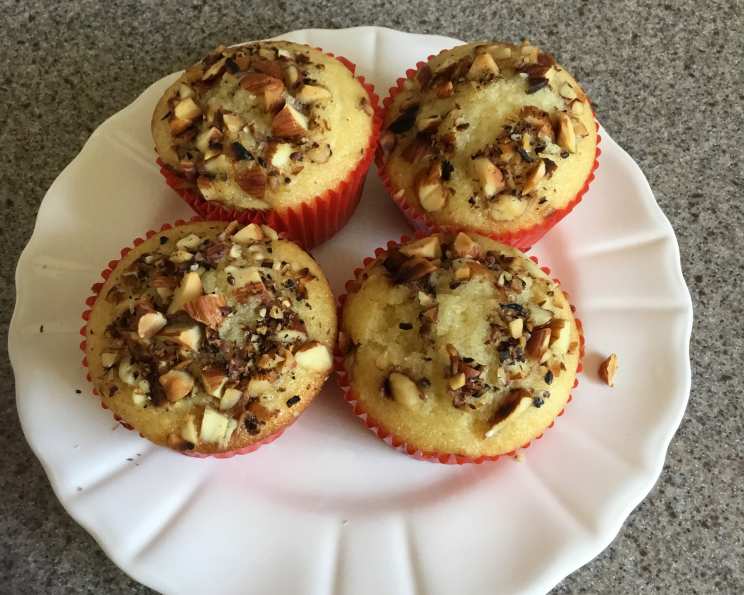
The Delicate Charm of Olive Oil Cakelets
There’s a certain magic that happens when simple ingredients are elevated through thoughtful technique, and for me, olive oil cakelets embody this culinary truth. I remember the first time I encountered them, not in a bustling bakery, but on a sun-drenched patio in a small Tuscan village. The air was thick with the scent of blooming jasmine, and my hostess, a woman whose hands seemed to coax miracles from dough, presented these tiny, golden treasures. Each bite was a revelation – a whisper of fruitiness from the olive oil, a tender crumb that dissolved on the tongue, and a subtle hint of citrus that cut through the richness. It was a moment of pure, unadulterated joy, a testament to the power of honest, good ingredients treated with respect.
Recipe Overview
- Prep Time: 15 minutes
- Cook Time: 25-30 minutes
- Total Time: 40-45 minutes
- Servings: 6
- Yield: 6 Cakelets/Muffins
- Dietary Type: Dairy-Free
Ingredients
The beauty of these cakelets lies in their concise ingredient list, allowing the quality of each component to shine through.
- 1⁄2 cup plus 3 tablespoons flour
- 1⁄2 cup sugar, plus extra for topping
- 1⁄2 teaspoon salt
- 1⁄4 teaspoon baking powder
- 1⁄4 teaspoon baking soda
- 6 tablespoons fruity extra virgin olive oil
- 6 tablespoons whole milk
- 1 large egg
- 1⁄2 teaspoon citrus zest (lemon or orange work beautifully)
- 2 tablespoons citrus juice (from the same citrus as the zest)
- 1⁄4 teaspoon almond extract
- 1⁄4 cup sliced almonds
Equipment Needed
While this recipe is remarkably straightforward, a few basic kitchen tools will ensure success:
- Muffin pan (standard 6-cup capacity)
- Paper baking cups or freestanding baking cups
- Small bowl
- Measuring cups and spoons
- Whisk
- Measuring cup (for wet ingredients)
- Toothpick or cake tester
- Cooling rack
Instructions
Crafting these delightful olive oil cakelets is a simple, almost meditative process. The key is to avoid overmixing, ensuring a tender crumb.
- Preheat the Oven and Prepare the Muffin Pan: Begin by preheating your oven to 350°F (175°C). This consistent temperature is crucial for even baking. Next, line 6 cups in a muffin pan with paper baking cups. If you don’t have paper liners, you can use freestanding baking cups, which offer a sturdier structure and prevent sticking.
- Combine the Dry Ingredients: In a small bowl, whisk together the flour, sugar, salt, baking powder, and baking soda. Whisking ensures that all the leavening agents are evenly distributed, which is essential for a uniform rise in your cakelets.
- Combine the Wet Ingredients: In a separate measuring cup, whisk together the olive oil, whole milk, large egg, citrus zest, citrus juice, and almond extract. This is where the distinct flavor of the olive oil will begin to meld with the other liquid components.
- Combine Wet and Dry Ingredients: Pour the wet ingredients into the bowl with the dry ingredients. Stir just until combined. This is a critical step; overmixing can develop the gluten in the flour too much, resulting in a tough cakelet. A few small lumps are perfectly acceptable at this stage.
- Fill the Muffin Cups: Divide the batter evenly among the prepared muffin cups. Aim to fill each cup about two-thirds to three-quarters full, allowing room for the cakelets to rise without overflowing.
- Add the Topping: Top each cakelet evenly with the sliced almonds. This will create a lovely textural contrast and a beautiful golden-brown finish.
- Add a Touch of Sweetness: To enhance the caramelization and add a delicate sweetness to the crust, dust the tops lightly with additional sugar.
- Bake the Cakelets: Bake for 25-30 minutes, or until a toothpick inserted into the center of a cakelet comes out with moist crumbs clinging to it. This indicates that the cakelets are cooked through but still wonderfully tender.
- Cool and Serve: Once baked, carefully remove the muffin pan from the oven. Allow the cakelets to cool in the pan for a few minutes before transferring them to a wire rack to cool further. These cakelets are delightful served warm or at room temperature, allowing their subtle flavors to be fully appreciated.
Expert Tips & Tricks
To elevate your olive oil cakelet experience, consider these professional insights:
- The Olive Oil Matters: The “fruity extra virgin olive oil” is not just a suggestion; it’s a star ingredient. Opt for a good quality oil with a pleasant, slightly peppery or grassy note. A robust, highly fragrant oil will impart a more pronounced flavor. Avoid overly bitter or strong oils, as they can overpower the delicate sweetness of the cakelet.
- Citrus Zest and Juice Pairing: While lemon is a classic, don’t hesitate to experiment with orange zest and juice for a warmer, sweeter citrus profile, or even a blend of both. The zest provides the aromatic oils, while the juice adds a touch of acidity that brightens the cake.
- Don’t Overmix: I cannot stress this enough. The moment the wet and dry ingredients come together, stop mixing. This is the secret to that incredibly tender, almost melt-in-your-mouth texture that olive oil cakes are known for.
- Checking for Doneness: The “moist crumbs” on the toothpick is the ideal indicator. If it comes out completely clean, the cakelet might be slightly overbaked. If wet batter clings to it, it needs more time.
- Room Temperature Ingredients: While not explicitly stated, using room temperature egg and milk will help them incorporate more smoothly into the batter, leading to a more uniform texture.
Serving & Storage Suggestions
These charming cakelets are incredibly versatile. Serve them as a delightful breakfast treat, a light afternoon snack with a cup of tea, or even as a simple dessert after a meal. They pair wonderfully with fresh berries, a dollop of Greek yogurt, or a drizzle of honey.
For storage, allow the cakelets to cool completely. They can be stored in an airtight container at room temperature for up to 2 days. If you live in a warm, humid climate, or wish to store them for longer, refrigerate them in an airtight container for up to 4 days. To reheat, a few seconds in the microwave or a brief warming in a low oven (around 300°F or 150°C) will revive their freshness. These cakelets also freeze beautifully; wrap them tightly in plastic wrap and then place them in a freezer-safe bag for up to 2 months. Thaw overnight at room temperature.
Nutritional Information
Here’s an estimated nutritional breakdown for these delectable Olive Oil Cakelets:
| Nutrient | Amount per Serving | % Daily Value |
|---|---|---|
| Calories | 265.5 kcal | |
| Calories from Fat | ||
| Total Fat | 16.8 g | 25% |
| Saturated Fat | 2.6 g | 12% |
| Cholesterol | 32.5 mg | 10% |
| Sodium | 280.3 mg | 11% |
| Total Carbohydrate | 26.3 g | 8% |
| Dietary Fiber | 0.8 g | 3% |
| Sugars | 17.6 g | 70% |
| Protein | 3.4 g | 6% |
Note: Nutritional values are estimates and can vary based on specific ingredients used.
Variations & Substitutions
The simple elegance of this recipe lends itself beautifully to thoughtful variations:
- Gluten-Free: To make these cakelets gluten-free, substitute the all-purpose flour with a good quality gluten-free all-purpose flour blend that contains xanthan gum. Ensure the blend is designed for baking.
- Dairy-Free (beyond the inherent): The recipe is already dairy-free as written due to the use of milk in the ingredients.
- Herbaceous Notes: For a more sophisticated twist, finely chop a tablespoon of fresh rosemary or thyme and add it to the dry ingredients. This creates a savory-sweet balance that is truly captivating.
- Spice It Up: A pinch of ground cardamom or cinnamon added to the dry ingredients can introduce a warm, autumnal feel to these cakelets.
- Nut-Free: Omit the sliced almonds. You can sprinkle the tops with a little extra sugar or coarse sanding sugar for a textural crunch.
FAQs
Q: Can I use a different type of oil if I don’t have extra virgin olive oil?
A: While extra virgin olive oil is recommended for its flavor, a mild vegetable oil or canola oil can be used if you prefer a less pronounced olive oil taste. However, the unique fruity notes of olive oil are what make these cakelets special.
Q: Why are my cakelets dense?
A: The most common reason for dense cakelets is overmixing the batter after the wet and dry ingredients have been combined. Be sure to stir only until the ingredients are just incorporated.
Q: How long will these cakelets stay fresh?
A: Stored in an airtight container at room temperature, they will remain fresh for about 2 days. For longer storage, refrigerate them for up to 4 days.
Q: Can I make these in a different size pan?
A: This recipe is specifically designed for a 6-cup muffin pan. Adjusting the baking time would be necessary for other pan sizes, and the results might vary.
Q: What kind of citrus zest should I use?
A: Lemon and orange are excellent choices, offering bright and fragrant notes. You can use either or a combination of both depending on your preference.
These olive oil cakelets are a testament to the fact that sometimes, the simplest things can be the most extraordinary. Their tender crumb, subtle sweetness, and fragrant olive oil notes create a truly memorable experience. Whether enjoyed with a morning coffee or as an elegant end to a meal, they are sure to charm your guests and satisfy your own culinary curiosity. I encourage you to try them, to taste the sunshine and the tradition they represent. Happy baking!