
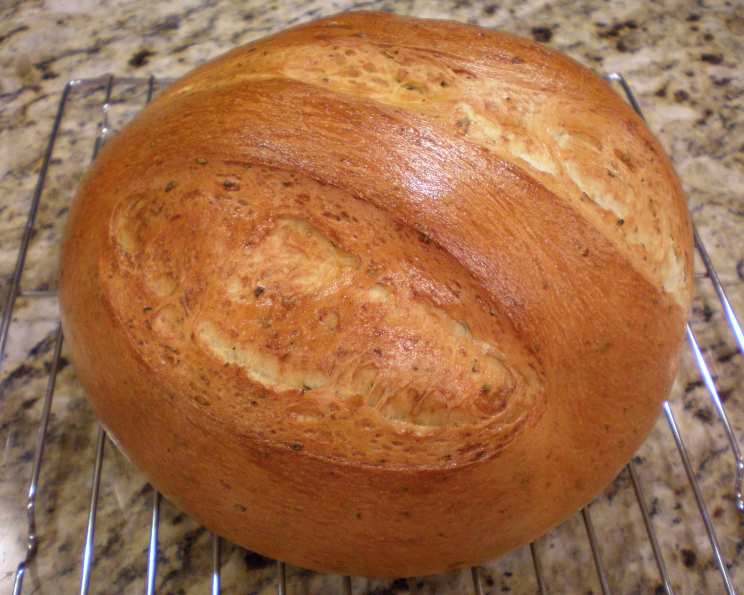
Olive Oil and Herbes de Provence Bread: A Taste of the Mediterranean Sun
There are certain aromas that transport me instantly. The scent of warm bread, tinged with the earthy, floral notes of herbs, is one of them. It’s the smell of my childhood Sunday dinners, of shared meals and laughter echoing around a table. This particular Olive Oil and Herbes de Provence bread holds a special place because it’s the essence of uncomplicated, rustic elegance. It’s the kind of bread that makes a simple meal feel like a feast, and the fragrance it fills the kitchen with is truly therapeutic. It’s a testament to how a few quality ingredients, treated with care, can create something truly magical.
Recipe Overview
- Prep Time: Approximately 25 minutes (plus resting time)
- Cook Time: 25 minutes
- Total Time: Approximately 1 hour 30 minutes (including rising)
- Servings: 1 Loaf
- Yield: 1 Loaf
- Dietary Type: Vegetarian
Ingredients
Here’s what you’ll need to bring this fragrant loaf to life:
- 1 teaspoon sugar
- 2 ¼ teaspoons dry active yeast (this is equivalent to one standard envelope)
- 1 cup water, lukewarm
- ¼ cup olive oil, plus extra for greasing
- 1 teaspoon salt
- 2 ½ cups all-purpose flour, plus more for dusting and kneading
- 1 tablespoon Herbes de Provence (McCormick’s blend is recommended for its balanced mix of rosemary, marjoram, thyme, savory, basil, lavender, and sage)
Equipment Needed
You won’t need much in the way of fancy equipment for this straightforward loaf:
- A large mixing bowl
- A whisk or fork
- A clean tea towel
- A baking sheet or oven-safe dish
- A sharp knife or lame for scoring
Instructions
Crafting this beautiful bread is a rewarding process, even when done by hand. Follow these steps carefully for a perfect result:
-
Begin by activating your yeast. In a small bowl or measuring cup, gently stir together the sugar and dry active yeast into the lukewarm water. Let this mixture sit undisturbed for about 10 minutes. You’ll know the yeast is alive and ready when it becomes foamy and bubbly on the surface – a sure sign it’s ready to work its magic.
-
In a spacious mixing bowl, combine the olive oil and salt. Pour in the activated yeast mixture. Give it a quick stir to incorporate.
-
Add 1 ½ cups (approximately 285 grams) of the flour to the wet ingredients. Along with the flour, stir in the Herbes de Provence. Mix until you have a smooth batter, free of lumps. This will be a thick, sticky mixture at this stage.
-
Now, it’s time to incorporate the remaining flour. Gradually add the other cup (about 125 grams) of flour to the bowl. Once it becomes too stiff to mix with a spoon, turn the dough out onto a lightly floured countertop. Begin to knead the dough. This is where the gluten develops, giving your bread its structure and chew. Continue kneading for a good 10 to 15 minutes. The original recipe author found that 15 minutes of kneading yielded a significantly better bread than 10 minutes, so commit to that extra time for a superior texture. You’re looking for a smooth, elastic dough that springs back when gently poked.
-
Lightly grease the large mixing bowl with a little olive oil. Place the kneaded dough into the bowl, turning it once to coat all sides. Cover the bowl with a clean tea towel and set it in a warm place to rise. Allow the dough to double in size, which typically takes about 45 minutes.
-
Once the dough has doubled, gently punch it down to release the air. Now, it’s time to shape your loaf. The author describes a beautiful, rustic method: press the dough slightly flat, fold in the corners towards the center, pinch them together, and then flip the ball over so the pinched seam is on the bottom. This creates a lovely, rounded loaf. For this particular bread, the author also suggests making three long slashes on the top of the loaf with a sharp knife or lame. This is not just for aesthetics; it allows steam to escape during baking, helping the loaf to expand evenly and preventing blowouts.
-
Place the shaped loaf on a baking sheet or in an oven-safe dish. You can let the loaf rise a second time for about 30 minutes if you desire, though the recipe notes that this step is optional. Meanwhile, preheat your oven to 400ºF (200ºC).
-
Bake the bread for 25 minutes, or until it is golden brown and sounds hollow when tapped on the bottom. The recipe author mentions an optional egg wash (1 yolk beaten with 1-2 tablespoons of milk) for a shinier crust, but it’s not essential. Alternatively, a light spray of water or a pan of boiling water placed in the oven can help achieve a wonderfully crispy crust.
-
Once baked, allow the bread to cool slightly on a wire rack before slicing and serving. This brief cooling period allows the internal structure to set, ensuring cleaner slices.
Expert Tips & Tricks
- Yeast Check: Always double-check your yeast for freshness. Stale yeast won’t produce a good rise, and your efforts will be in vain. The foamy bloom after mixing with sugar and warm water is your best indicator.
- Kneading Patience: Don’t be tempted to rush the kneading process. Those 10–15 minutes are crucial for developing a well-structured loaf with a pleasing texture. Your hands will tell you when the dough is ready – it will feel smooth, supple, and elastic.
- Warm Rising Place: A slightly warm, draft-free environment is ideal for dough to rise. This could be a slightly warm oven (turned off, with the light on), near a sunny window, or simply a cozy corner of your kitchen.
- Herbs: While Herbes de Provence is specified, feel free to experiment with other dried herb blends if you’re feeling adventurous. Just ensure they are good quality and not too overpowering.
- Crispy Crust Strategy: If a truly artisanal, crispy crust is your goal, the pan of boiling water trick is a winner. It creates steam in the oven, mimicking a professional baker’s oven and yielding a fantastic crackle.
Serving & Storage Suggestions
This Olive Oil and Herbes de Provence Bread is incredibly versatile. It makes an exceptional accompaniment to a wide array of dishes, from hearty stews and rich Italian pasta sauces to light French salads. For a simple yet elegant appetizer, toast thick slices and serve them open-faced with creamy ricotta, fresh basil, a drizzle of honey, and a sprinkle of flaky sea salt. It’s also divine toasted and served with butter and a perfectly ripe tomato.
Leftovers can be stored at room temperature, wrapped tightly in a clean tea towel or a bread bag, for up to 2 days. For longer storage, the cooled loaf can be wrapped securely in plastic wrap and then in foil and frozen for up to 2 months. To reheat, thaw at room temperature and then briefly warm in a moderate oven until the crust is re-crisped.
Nutritional Information
While the exact nutritional values can vary based on specific ingredients and portion sizes, here’s an approximate breakdown per loaf:
| Nutrient | Amount per Loaf | % Daily Value |
|---|---|---|
| Calories | 1657.7 kcal | |
| Total Fat | 57.5 g | 88% |
| Saturated Fat | 8 g | 39% |
| Cholesterol | 0 mg | 0% |
| Sodium | 2342.1 mg | 97% |
| Total Carbohydrate | 246.1 g | 82% |
| Dietary Fiber | 10.3 g | 41% |
| Sugars | 5 g | 20% |
| Protein | 35.7 g | 71% |
Variations & Substitutions
- Herb Blend: If you don’t have Herbes de Provence, a mix of dried rosemary, thyme, and oregano can create a delicious alternative. Adjust the quantities to your preference.
- Garlic Lover’s Bread: Add a couple of minced cloves of fresh garlic to the dough along with the herbs for a pungent kick.
- Cheese Infusion: For a savory twist, gently fold in about ½ cup of grated Parmesan or Gruyère cheese into the dough during the final stages of kneading.
- Whole Wheat: Substitute up to half of the all-purpose flour with whole wheat flour for a nuttier flavor and added fiber. You may need to adjust the liquid slightly as whole wheat flour absorbs more moisture.
FAQs
Q: Why is my bread not rising?
A: The most common culprits are inactive yeast or a drafty, cool rising environment. Ensure your yeast is fresh and place the dough in a warm spot.
Q: Can I use instant yeast instead of active dry yeast?
A: Yes, you can. If using instant yeast, you can often skip the blooming step and mix it directly with the dry ingredients, but always check the yeast package instructions.
Q: How do I know when the bread is fully baked?
A: The crust should be golden brown, and when you tap the bottom of the loaf, it should sound hollow. An instant-read thermometer inserted into the center should register around 190-200°F (88-93°C).
Q: Can I make this bread without herbs?
A: Absolutely. While the herbs add a wonderful aromatic depth, the bread will still be delicious and rich with just olive oil and salt.
Q: What’s the best way to store this bread to keep it fresh?
A: For short-term storage, wrap it in a clean tea towel or a bread bag at room temperature. For longer periods, freezing is your best option.
Final Thoughts
This Olive Oil and Herbes de Provence Bread is more than just a recipe; it’s an invitation to slow down, embrace the simple pleasure of baking, and fill your home with an intoxicating aroma. It’s a versatile staple that elevates any meal, from a casual weeknight dinner to a special gathering. I encourage you to try this recipe, perhaps with a glass of crisp white wine or a robust red. Bake it, share it, and savor every fragrant, flavorful bite. I’d love to hear about your experience and how you’ve enjoyed this taste of the Mediterranean!