
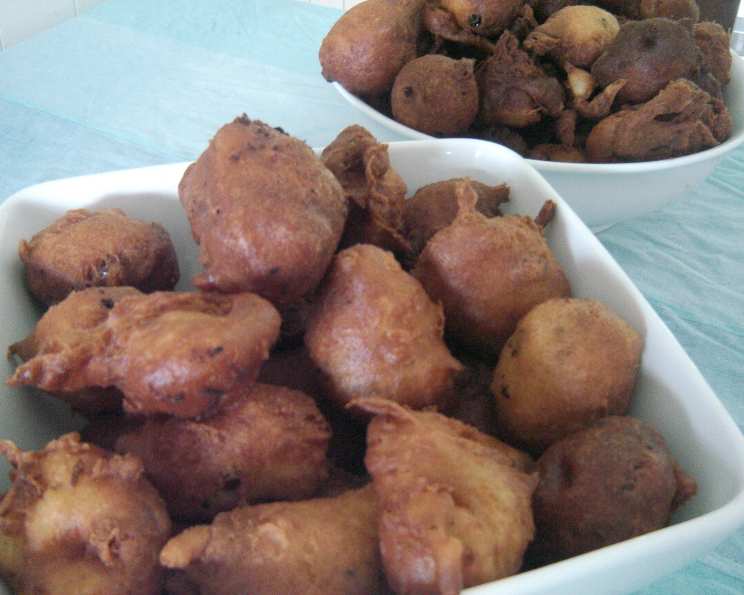
Oliebollen: The No-Yeast, Delightfully Dutch Doughnut
There are certain scents that transport me instantly. The sharp tang of lemon zest blooming in a hot pan, the earthy aroma of roasting mushrooms, or, as the year draws to a close, the sweet, yeasty (or in this case, chemically leavened!) fragrance of oliebollen. My mother, bless her pragmatic Dutch soul, would start this magical transformation well before dawn on New Year’s Eve. The kitchen would fill with the comforting hum of the deep fryer, a symphony of clinking bowls, and the occasional exclamation as she’d eye the batter, adjusting with an almost instinctive touch. It was more than just making a treat; it was a ritual, a tangible link to her heritage, and a way to usher in the new year with warmth and good cheer. This no-yeast version, while different from the truly traditional, carries that same spirit of comfort and joyous celebration.
Recipe Overview
- Prep Time: Approximately 20 minutes
- Cook Time: Approximately 20-30 minutes (depending on batch size)
- Total Time: Approximately 40-50 minutes
- Servings: Approximately 12-15 oliebollen
- Yield: 1 batch
- Dietary Type: Adaptable (see variations for vegan options)
Ingredients
- 750 grams self-raising flour, sifted
- 1.5 liters milk
- 100 grams butter, softened
- 100 grams sugar
- 1/4 to 1/2 cup sultanas, raisins, and candied peel (a mix is traditional and delicious)
- 1 apple, grated (a Granny Smith offers a lovely tartness to balance the sweetness)
- 1 egg
- 1 bottle (330-660 ml) beer, preferably a dark ale or stout. Coopers stout is a reliable choice, but any good European or Australian stout will work beautifully.
Equipment Needed
- Large mixing bowl
- Whisk or electric mixer
- Medium saucepan (for melting butter)
- Deep frying pan or a deep fryer
- Slotted spoon or spider strainer
- Paper towels for draining
- Measuring cups and spoons
- Grater
- Small bowl (for softening butter if needed)
Instructions
- Begin by creaming the butter and sugar together in a large mixing bowl. You want to achieve a smooth, pale, and fluffy mixture. This can be done by hand with a sturdy whisk or using an electric mixer on medium speed.
- Next, gently melt the 100 grams of butter. You can do this in a small saucepan over low heat or in the microwave in short bursts, being careful not to let it brown.
- Introduce the melted butter to the creamed butter and sugar mixture, and whisk well until fully incorporated.
- In a separate, smaller bowl, lightly whisk the egg.
- Add the whisked egg to the butter and sugar mixture and mix thoroughly until everything is combined.
- Now, it’s time to incorporate the dry and wet ingredients. Gradually add the sifted self-raising flour and the milk to the bowl. Alternate adding them in batches, mixing well after each addition. Start with a portion of the flour, mix, then add some milk, mix, and continue this pattern until all the flour and milk have been incorporated.
- Once you have a relatively smooth batter, add the sultanas, raisins, and candied peel.
- Finally, stir in the grated apple. Ensure all the additions are evenly distributed throughout the batter.
- The consistency of the batter is crucial. You are aiming for a thick batter – thick enough to hold its shape when dropped from a spoon, but not so stiff that it’s difficult to work with. If it seems too thin, you can add a little more sifted flour, a tablespoon at a time. If it’s too thick, a splash more milk can be added. The original recipe emphasizes that these amounts are a guide and you should rely on your judgment to achieve the right texture.
- Prepare for deep frying. In your deep frying pan or deep fryer, heat up enough sunflower oil for deep frying. The ideal temperature for frying oliebollen is around 175°C (350°F). If you don’t have a thermometer, you can test the oil by dropping a tiny bit of batter in. It should sizzle immediately and float to the surface.
- Once the oil has reached the correct temperature, begin dropping scant tablespoons of the batter into the hot oil. Be careful not to overcrowd the pan, as this can lower the oil temperature and result in greasy oliebollen.
- Deep fry for approximately 5-7 minutes. These delightful doughnuts are often called “self-turning” because as they cook, they will naturally flip over. You can use your slotted spoon or spider to gently encourage them to turn if needed, ensuring even browning.
- The aim is to achieve a golden brown exterior that is cooked right through to the center. If the oliebollen are too large, they might not cook all the way through, remaining doughy inside. If they are too small, they tend to overcook, becoming hard and dry.
- Once golden and cooked, remove the oliebollen from the oil using your slotted spoon or spider.
- Drain them thoroughly on paper towels to absorb any excess oil. This step is vital for achieving a light and crisp texture.
Expert Tips & Tricks
When working with this batter, remember the note about thickness. It’s the key to getting those beautifully round shapes. If your batter is too loose, they’ll spread out in the oil like flat pancakes. If it’s too stiff, they might be dense. Don’t be afraid to adjust with a tiny bit more flour or milk as needed.
For the best flavour, use a good quality dark beer or stout. The malty, roasted notes from a stout really complement the sweet dough and the fruit. Avoid watery, mass-produced lagers; they won’t contribute the depth of flavour you’re looking for.
When frying, maintaining a consistent oil temperature is paramount. If the oil is too cool, the oliebollen will absorb too much grease. If it’s too hot, the outside will burn before the inside is cooked. A kitchen thermometer is a worthwhile investment for deep frying.
Serving & Storage Suggestions
Oliebollen are best served warm, dusted generously with icing sugar. They are a perfect treat for a festive occasion, afternoon tea, or a cozy breakfast. They can be served plain or with a side of apple sauce or whipped cream for a more decadent experience.
Leftover oliebollen can be stored in an airtight container at room temperature for up to two days. To reheat them and regain some of their crispness, you can either place them in a moderate oven (around 160°C/320°F) for a few minutes or briefly reheat them in a dry frying pan over medium heat. Avoid microwaving them, as this will make them soft and chewy.
Nutritional Information
While precise nutritional values can vary based on ingredient brands and exact quantities used, here’s an estimated breakdown for a serving of oliebollen. Please note this is a general guide for a typical serving size and may not reflect the exact figures for this specific recipe without detailed lab analysis.
| Nutrient | Amount per Serving | % Daily Value |
|---|---|---|
| Calories | Approx. 350 kcal | 18% |
| Total Fat | Approx. 20g | 26% |
| Saturated Fat | Approx. 10g | 50% |
| Cholesterol | Approx. 40mg | 13% |
| Sodium | Approx. 300mg | 13% |
| Total Carbohydrate | Approx. 40g | 13% |
| Dietary Fiber | Approx. 2g | 8% |
| Sugars | Approx. 15g | 17% |
| Protein | Approx. 6g | 12% |
Note: The above nutritional information is an estimation and can vary. The % Daily Value is based on a 2,000-calorie diet.
Variations & Substitutions
For a vegan version, you can replace the egg with a commercial egg replacer mixed according to package directions, or even a tablespoon of ground flaxseed mixed with three tablespoons of water, left to sit for 5-10 minutes until gelatinous. Use a plant-based milk such as soy or almond milk instead of cow’s milk. Be mindful that some dark beers, like Guinness, are not vegan due to fining agents; opt for a certified vegan stout or dark ale.
If you’re not a fan of candied peel, simply omit it and increase the sultanas and raisins. For an added festive touch, you could also incorporate finely chopped pear along with the apple.
FAQs
Q: Why is this a “no-yeast” version?
A: This recipe uses self-raising flour, which contains chemical leavening agents (like baking powder and baking soda), meaning it doesn’t require yeast to rise. This significantly cuts down on preparation time.
Q: How do I know when the oil is hot enough for frying?
A: A small drop of batter should sizzle immediately and float to the surface. If you have a thermometer, aim for around 175°C (350°F).
Q: Can I make the batter ahead of time?
A: It’s best to make the batter shortly before frying, as the leavening agents in the self-raising flour can lose their potency over time.
Q: My oliebollen are sinking to the bottom and sticking. What did I do wrong?
A: This can happen if the batter is too loose, the oil temperature is too low, or if you overcrowd the pan. Ensure your batter is thick and the oil is at the correct temperature.
Q: Can I bake these instead of frying?
A: While you can bake oliebollen, they won’t achieve the same crispy exterior and traditional doughnut texture that comes from deep frying. Baking would result in a more cake-like consistency.
Final Thoughts
There’s a certain magic in creating these humble, yet utterly delightful, Dutch doughnuts. They are a testament to the joy of simple ingredients coming together to create something truly special. Whether you’re celebrating New Year’s or simply craving a taste of comfort, these no-yeast oliebollen are sure to bring smiles. Dust them generously with icing sugar, perhaps pair them with a warm cup of coffee or a mulled wine, and savour the moment. I’d love to hear about your oliebollen adventures, so don’t hesitate to share your thoughts and any creative twists you discover!