
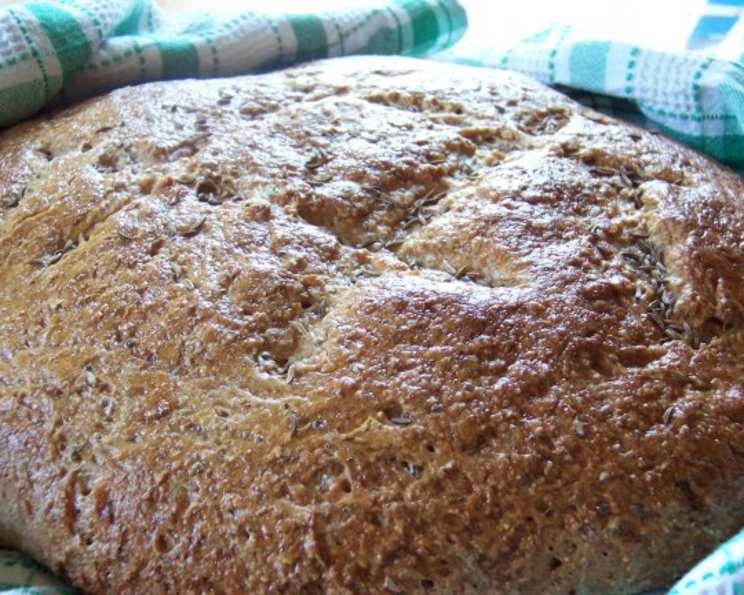
Old Milwaukee Rye: A Taste of Tradition and Time
The scent of a deeply fermented rye bread, especially one with the comforting chew and subtle tang of a well-developed sponge, always transports me. It’s a fragrance that speaks of patience, of the alchemy of simple ingredients transforming over days into something truly remarkable. I remember, years ago, stumbling upon a recipe that promised just that – a robust, traditional rye that wasn’t rushed. It reminded me of the bakeries of my youth, where loaves sat proudly on display, their crusts burnished to a deep mahogany, their interiors yielding a complex flavor that was both satisfying and intriguing. This Old Milwaukee Rye recipe, with its multi-day sponge, is a testament to that old-world wisdom, a gentle invitation to slow down and embrace the magic of breadmaking.
Recipe Overview
- Prep Time: Approximately 30 minutes active time spread over 3 days, plus kneading and rising.
- Cook Time: 40 minutes
- Total Time: 75 hours (including sponge fermentation) + rising time
- Servings: 24 slices (approximate, depending on loaf size)
- Yield: 2-4 Loaves
- Dietary Type: Contains Gluten and Egg
Ingredients
For the Sponge
- 2 cups medium rye flour
- 2 ¼ teaspoons dried yeast
- 1 tablespoon caraway seed
- 1 ½ cups warm water (105-115°F)
For the Dough
- 1 cup hot water (120-130°F)
- ¼ cup dark molasses (avoid blackstrap for a milder flavor)
- 2 tablespoons caraway seeds
- 1 egg, room temperature
- 1 tablespoon salt
- 2 cups rye flour
- 4 cups all-purpose flour or bread flour (bread flour will yield a slightly chewier crumb)
- 3 tablespoons vegetable shortening
For the Egg Wash
- 1 egg, beaten with 1 tablespoon milk
- 1 tablespoon caraway seeds (for sprinkling)
Equipment Needed
- Large mixing bowl
- Wooden spoon or sturdy spatula
- Plastic wrap
- Dough scraper (optional, but very helpful)
- Greased bowl for rising
- Baking sheets or loaf pans (depending on desired shape)
- Wire cooling racks
- Oven
Instructions
The heart of this Old Milwaukee Rye lies in its sponge, a foundation built over three days. This patient process allows the yeast to develop a complex flavor profile and provides a wonderful tang that distinguishes this bread from quicker recipes.
- Prepare the Sponge: In a large mixing bowl, combine the medium rye flour, dried yeast, and 1 tablespoon of caraway seed. Pour in the warm water (105-115°F) and stir with a wooden spoon or sturdy spatula for exactly 25 strokes. The mixture will be quite loose.
- First Day’s Fermentation: Cover the bowl tightly with plastic wrap to prevent any moisture from escaping. Let it sit at room temperature. You’ll notice it begin to bubble and rise, and then, as the yeast activity ebbs, it will begin to fall.
- Daily Stirring (Days 2 & 3): Each day for the next two days, uncover the sponge and give it a good stir. You’ll observe its continuing transformation – a gentle, fermented aroma will begin to develop. This daily stir is crucial; it distributes the yeast and beneficial bacteria, deepening the flavor and ensuring a lively starter for your dough. While you can technically use the sponge as little as 6 hours after mixing, allowing it the full three days yields truly exceptional results.
- Prepare the Dough: On the day you plan to bake, uncover the mature sponge. Add the hot water (120-130°F), dark molasses, the remaining 2 tablespoons of caraway seeds, the room-temperature egg, salt, and the 2 cups of rye flour. Beat vigorously with your wooden spoon or spatula until the mixture is smooth. This will take about 100 strokes.
- Incorporate Shortening: Add the vegetable shortening to the batter and beat until it’s well incorporated.
- Add White Flour: Begin adding the all-purpose flour or bread flour, ½ cup at a time. Stir well after each addition. Continue adding flour until the dough becomes somewhat sticky, but you can still manage it with a spoon. You might not need all 4 cups, or you might need a touch more, depending on the humidity and your flour. The goal is a dough that is manageable but retains a slight tackiness.
- Kneading the Dough: Turn the dough out onto a lightly floured work surface. Begin to knead using a strong push, turn, and fold method. This will take about 8-10 minutes. A dough scraper can be an invaluable tool here to help manage the sticky dough and keep it from adhering too much to your hands and the surface. Add sprinkles of flour only as needed to control the stickiness, aiming for a smooth, elastic dough by the end of the kneading process.
- First Rise: Lightly grease a clean bowl. Place the kneaded dough into the greased bowl, turning it to coat all sides. Cover the bowl tightly with plastic wrap again. Leave the dough to rise at room temperature until it has doubled in size, which typically takes about 1 hour.
- Punch Down and Rest: Once doubled, gently punch down the dough to release the air. Let it rest for an additional 10 minutes. This brief rest helps to relax the gluten, making the dough easier to shape.
- Shape the Loaves: At this stage, you can shape your dough as desired. The original recipe mentions shaping into two round loaves, which is a classic presentation. However, this dough is versatile and can be formed into traditional long loaves, pan loaves, or any other shape that suits your preference.
- Second Rise: Place your shaped loaves on baking sheets (if making free-form loaves) or into prepared loaf pans. Cover the loaves loosely with plastic wrap or a clean kitchen towel. Allow them to double in size again, which will take approximately 40 minutes.
- Preheat the Oven: About 20 minutes before you plan to bake, preheat your oven to 375°F (190°C).
- Score the Loaves: Before baking, it’s traditional to score the tops of the rye loaves. For round loaves, a “tic-tac-toe” pattern works well. For long loaves, diagonal slashes are classic. This scoring allows the bread to expand evenly in the oven and creates an attractive visual.
- Apply Egg Wash and Seeds: Brush the tops of the scored loaves with the prepared egg and milk wash. This will give the crust a beautiful sheen and a lovely golden-brown color. Sprinkle the remaining 1 tablespoon of caraway seeds evenly over the egg wash.
- Bake the Bread: Bake for 40 minutes. The loaves are done when they pass the “thump test” – tap the bottom of a loaf, and it should sound hollow. Alternatively, use your preferred method for testing bread doneness, such as an instant-read thermometer, which should register around 200-210°F (93-99°C) in the center.
- Cool the Bread: Once baked, carefully remove the loaves from the oven and place them on wire cooling racks to cool completely. This step is crucial for allowing the internal structure of the bread to set properly and for the crust to develop its full crispness.
Expert Tips & Tricks
- Flour Power: While all-purpose flour is perfectly acceptable, using bread flour for the white flour component will give your rye bread a slightly more robust chew and structure, which is often desirable in a hearty loaf like this.
- Molasses Matters: The type of molasses significantly impacts the flavor. A dark molasses offers a pleasant sweetness and mild tang without the intense bitterness of blackstrap. If you’re new to rye bread, stick with dark molasses.
- Temperature is Key: Be mindful of your water temperatures for both the sponge and the dough. Too hot and you risk killing the yeast; too cool, and the yeast may not activate effectively. A thermometer is your best friend here.
- Kneading Technique: Don’t be discouraged by the stickiness of rye dough. The push, turn, and fold method, along with strategic use of a dough scraper, will help you achieve a well-kneaded dough without adding too much extra flour, which can toughen the bread.
- Sponge Consistency: The sponge will change dramatically over its three-day journey. It will bubble, rise, and fall. Trust the process; its appearance is less important than its aroma, which should become pleasantly yeasty and slightly tangy.
Serving & Storage Suggestions
This Old Milwaukee Rye is wonderfully versatile. Serve it slightly warm with a generous smear of butter, or use it as the foundation for hearty sandwiches. It’s also magnificent toasted and topped with cream cheese, lox, or your favorite jam.
Storage: Once completely cooled, store the bread in a plastic bag at room temperature. It will keep well for about a week, retaining its freshness and flavor. For longer storage, freeze the cooled loaves. Wrap them tightly in plastic wrap and then in a layer of aluminum foil or place them in a freezer-safe bag. Frozen rye bread will last for several months and can be thawed at room temperature or gently reheated.
Nutritional Information
| Nutrient | Amount per Serving | % Daily Value |
|---|---|---|
| Calories | 169.9 kcal | |
| Calories from Fat | ||
| Total Fat | 2.6 g | 4% |
| Saturated Fat | 0.7 g | 3% |
| Cholesterol | 15.6 mg | 5% |
| Sodium | 300 mg | 12% |
| Total Carbohydrate | 32 g | 10% |
| Dietary Fiber | 3 g | 11% |
| Sugars | 2.2 g | 8% |
| Protein | 4.9 g | 9% |
Nutritional values are approximate and may vary based on specific ingredients and portion sizes.
Variations & Substitutions
While this recipe is a beautiful expression of traditional rye, feel free to explore:
- Whole Wheat Inclusion: For an even heartier loaf, substitute 1 cup of the all-purpose/bread flour with whole wheat flour. This will add a nuttier flavor and more fiber.
- Seed Variations: Experiment with adding other seeds to the dough, such as fennel seeds or poppy seeds, for a different flavor profile.
- Gluten-Free? Unfortunately, this recipe relies heavily on gluten development for structure and cannot be easily converted to a gluten-free version without significant recipe reformulation.
FAQs
Q: Why does this recipe take three days to make?
A: The three-day process is for developing a flavorful sponge, which acts as a natural leavening agent and imparts a complex, tangy taste to the bread.
Q: Can I speed up the sponge process?
A: While you can use the sponge after as little as 6 hours, the full three days are recommended for optimal flavor development. Rushing it will result in a less nuanced taste.
Q: My dough is very sticky, is that normal?
A: Yes, rye flour is naturally stickier than wheat flour. Use a dough scraper and minimal flour on your work surface to manage it. The final dough should be slightly tacky.
Q: How do I know if the bread is fully baked?
A: The “thump test” (tapping the bottom of the loaf for a hollow sound) is a classic indicator. An internal temperature of 200-210°F (93-99°C) is also a reliable measure.
Q: Can I use rye flour in the sponge and dough?
A: Yes, you can adjust the ratio of rye to all-purpose/bread flour. However, a higher proportion of rye flour can make the dough more difficult to handle. The specified amounts create a balanced loaf.
Final Thoughts
This Old Milwaukee Rye is more than just a recipe; it’s an experience. It’s a journey back to the roots of breadmaking, a celebration of patience, and a testament to the extraordinary flavors that can be coaxed from simple ingredients. As you stir that bubbling sponge over three days, you’re not just mixing; you’re participating in a time-honored tradition. When that deeply aromatic, beautifully browned loaf emerges from the oven, the effort will feel profoundly rewarding. Share it with loved ones, savor each slice, and let the rustic charm of this rye bread fill your home. Perhaps pair it with a robust stew or a sharp cheese for an unforgettable culinary moment. Happy baking!