
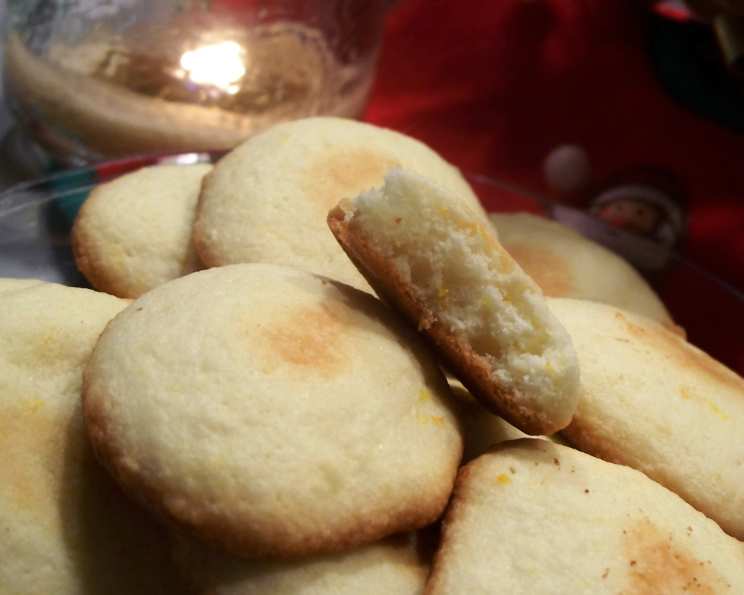
The Timeless Charm of Old Fashioned Vanilla Wafers
There’s a certain magic in the simplest of recipes, isn’t there? For me, old-fashioned vanilla wafers evoke a flood of memories, a comforting whisper of childhood afternoons spent at my grandmother’s kitchen table. The scent of them baking, that delicate, sweet aroma mingling with the warmth of the oven, was the ultimate invitation. Paired with a tall, frosty glass of milk, these humble cookies were a daily ritual, a small, perfect indulgence that always felt a little bit special. They were more than just a treat; they were a moment of pure, unadulterated joy, a taste of simpler times that I still cherish deeply.
Recipe Overview
- Prep Time: 15 minutes
- Cook Time: 7 minutes per batch
- Total Time: Approximately 22 minutes (plus cooling)
- Yields: 4 dozen
- Dietary Type: Classic Baking
Ingredients
This recipe calls for a handful of pantry staples, the kind that are always good to have on hand for those spontaneous baking urges. The beauty of these vanilla wafers lies in their simplicity; their flavor profile is pure and unadorned, allowing the quality of each ingredient to shine through.
- 1/4 pound unsalted margarine, at room temperature – It’s crucial for the margarine to be at room temperature, softened but not melted, to ensure it creams properly with the sugar, creating that essential light and airy texture.
- 1/2 cup sugar – Standard granulated sugar works perfectly here, providing the sweetness and helping with the cookies’ delicate crispness.
- 1 large egg – This acts as a binder, adding richness and structure to the wafer batter.
- 1 teaspoon vanilla extract – The star of the show! Use a good quality vanilla extract to ensure a robust and authentic vanilla flavor.
- 1 teaspoon grated orange zest – This is a delightful secret weapon, adding a subtle, bright citrus note that beautifully complements the vanilla.
- 1/4 teaspoon grated lemon zest – Similar to the orange zest, the lemon zest provides a delicate counterpoint, enhancing the overall flavor without overpowering the vanilla.
- 3/4 cup sifted cake flour – Sifting the cake flour is an important step. It aerates the flour, preventing a dense cookie and contributing to the light, crisp texture of the final wafer. Cake flour, with its lower protein content, is preferred for its tenderness.
Equipment Needed
For this straightforward recipe, you won’t need any specialized equipment. The following basics will have you covered:
- Mixing bowls (at least two)
- Electric mixer (handheld or stand mixer)
- Rubber spatula or wooden spoon
- Measuring cups and spoons
- Zester or fine grater
- Baking sheets
- Parchment paper
- Cooling rack
- Airtight container for storage
Instructions
The process for creating these classic vanilla wafers is wonderfully simple, designed to bring a touch of homemade goodness to your table with minimal fuss. Follow these steps carefully, and you’ll be rewarded with delicate, melt-in-your-mouth cookies.
- Preheat the oven to 375 degrees F. Ensuring your oven is at the correct temperature is paramount for achieving the perfect bake. This temperature will allow the wafers to cook through and develop their characteristic crispness without burning.
- Line 2 large baking sheets with parchment paper. Parchment paper is your best friend here. It prevents the delicate wafers from sticking to the baking sheets, making for easy removal and cleanup. It also helps to ensure even browning on the bottoms of the cookies.
- Cream the margarine together with the sugar on low speed until fluffy. In a medium mixing bowl, combine the room temperature margarine and the sugar. Begin mixing on low speed, gradually increasing to medium-high if your mixer allows. You’re looking for a pale, light, and fluffy mixture. This creaming process incorporates air, which is vital for the cookies’ texture.
- Beat in the egg and vanilla until incorporated. Add the large egg to the creamed margarine and sugar mixture. Beat until it’s fully blended. Then, stir in the vanilla extract. Continue to mix until everything is smoothly combined.
- Stir in the zests. Gently fold in the grated orange zest and lemon zest. This step is best done with a spatula or by hand to ensure the delicate citrus oils are distributed throughout the batter without overmixing.
- Still on low speed, beat in the flour until fully blended. Gradually add the sifted cake flour to the wet ingredients. Mix on low speed just until the flour is incorporated and no dry streaks remain. Be careful not to overmix at this stage, as it can develop the gluten in the flour and result in tougher cookies.
- By teaspoonfuls, drop the batter onto the baking sheets, leaving a good two inches between each cookie. Use a small spoon or a cookie scoop to drop rounded teaspoonfuls of the batter onto the prepared baking sheets. It’s crucial to leave ample space between each cookie—at least two inches—as they will spread slightly during baking. This prevents them from merging into one large, amorphous cookie.
- Bake for about 7 minutes, or until the wafers are lightly browned along the edges. Place the baking sheets in the preheated oven. Bake for approximately 7 minutes. Keep a close eye on them, as baking times can vary depending on your oven. You’re looking for the edges to be just delicately browned. The centers may still appear slightly pale, but they will continue to cook and crisp up as they cool.
- Transfer to a cooling rack where they will crisp as they cool. Once baked, carefully remove the baking sheets from the oven. Using a spatula, immediately transfer the wafers to a wire cooling rack. This allows air to circulate around them, which is essential for them to achieve their signature crispness. They will feel soft initially but will firm up considerably as they cool.
- Store carefully in layers in an airtight container. Once completely cooled, the vanilla wafers are ready to be stored. It’s best to layer them with parchment paper in between to prevent sticking. Store them in an airtight container at room temperature to maintain their crispness.
Expert Tips & Tricks
To elevate these classic vanilla wafers from good to truly exceptional, consider these insider tips:
- Room Temperature is Key: I can’t stress enough the importance of the margarine being at room temperature. If it’s too cold, it won’t cream properly with the sugar, and you’ll miss out on that light, airy texture. If it’s too warm or melted, your cookies might spread too much and become greasy.
- Don’t Overmix the Flour: Once the flour is added, mix just until it’s incorporated. Overmixing develops gluten, leading to a tougher, chewier wafer instead of the desired crisp delicacy.
- Watch Them Closely: Ovens can be unpredictable. The 7-minute baking time is a guideline. Your wafers are ready when the edges show a light golden hue. Pulling them out at this stage is critical for achieving the perfect crispness.
- The Magic of Cooling: The cooling process is as important as the baking. Transferring them to the wire rack immediately allows them to crisp up perfectly. Don’t leave them on the hot baking sheet for too long.
- Sifting Matters: Don’t skip sifting the cake flour. It adds air and removes any lumps, contributing to a finer, more delicate texture.
Serving & Storage Suggestions
These old-fashioned vanilla wafers are wonderfully versatile. They are a sublime accompaniment to a glass of cold milk, a steaming cup of coffee, or a sophisticated dessert wine. Crumble them over ice cream for an instant upgrade, or use them as a base for no-bake cheesecakes or trifles.
For storage, once completely cooled, place them in an airtight container. You can place parchment paper between layers to prevent them from sticking together. At room temperature, these wafers will maintain their delightful crispness for up to a week, provided they are stored properly in a sealed container. They do not typically require refrigeration and will lose their crispness if stored in the refrigerator. Freezing is also not recommended as it can lead to moisture absorption and a loss of texture.
Nutritional Information
While these are a delightful treat, understanding their nutritional profile can be helpful. Please note that these are approximate values and can vary based on specific ingredients used.
| Nutrient | Amount per Serving (approx.) | % Daily Value |
|---|---|---|
| Calories | 414.3 kcal | |
| Calories from Fat | 218 g | |
| Total Fat | 24.2 g | 37 % |
| Saturated Fat | 4.7 g | 23 % |
| Cholesterol | 52.9 mg | 17 % |
| Sodium | 18.7 mg | 0 % |
| Total Carbohydrate | 45.5 g | 15 % |
| Dietary Fiber | 0.5 g | 2 % |
| Sugars | 25.3 g | 101 % |
| Protein | 3.8 g | 7 % |
(Note: The “Calories from Fat” value in the original data was unclear and likely intended to be a fat percentage. The provided nutritional information is an estimation based on typical ingredients for this type of cookie.)
Variations & Substitutions
While the classic rendition is perfect in its own right, feel free to experiment!
- Citrus Zest: If you’re not a fan of citrus, you can omit both the orange and lemon zest, and the cookies will still be wonderfully vanilla-forward. Alternatively, try adding a pinch of ground cinnamon or nutmeg for a warmer spice profile.
- Gluten-Free: For a gluten-free version, you could experiment with a good quality gluten-free all-purpose flour blend that contains xanthan gum. You may need to adjust the amount of flour slightly as gluten-free flours can absorb moisture differently.
- Vegan Alternative: To make these vegan, you would need to substitute the butter with a high-quality vegan butter alternative and the egg with a flax egg (1 tablespoon ground flaxseed mixed with 3 tablespoons water, left to sit for 5-10 minutes).
FAQs
Q: Why are my vanilla wafers spreading too much?
A: This is often due to the margarine being too soft or melted, or the oven temperature being too low. Ensure your margarine is at true room temperature and your oven is accurately preheated.
Q: Can I use all-purpose flour instead of cake flour?
A: While you can, cake flour is recommended for its lower protein content, which results in a more tender and delicate wafer. If using all-purpose flour, your cookies might be slightly chewier.
Q: How do I get my wafers evenly browned?
A: Rotating your baking sheets halfway through baking can help ensure even browning. Also, ensure you are not overcrowding the baking sheet.
Q: My wafers are too soft after cooling, what did I do wrong?
A: This could indicate they were underbaked. Try baking them for an additional minute or two, watching the edges for that light golden color. Ensure they are fully cooled on a wire rack.
Q: How long can I keep these vanilla wafers fresh?
A: Stored in an airtight container at room temperature, they should remain crisp for up to a week.
Final Thoughts
There’s a profound satisfaction in creating something as simple and universally loved as an old-fashioned vanilla wafer. They are a testament to the idea that the most humble ingredients can yield the most delightful results. Whether you’re revisiting cherished childhood memories or creating new ones with loved ones, I encourage you to try this recipe. Take a moment to savor the aroma as they bake, and delight in the delicate crunch as you enjoy them. They are a reminder that sometimes, the sweetest moments are found in the simplest of pleasures. Share them with a tall glass of milk, a warm beverage, or simply enjoy them as they are – a perfect, timeless treat.