
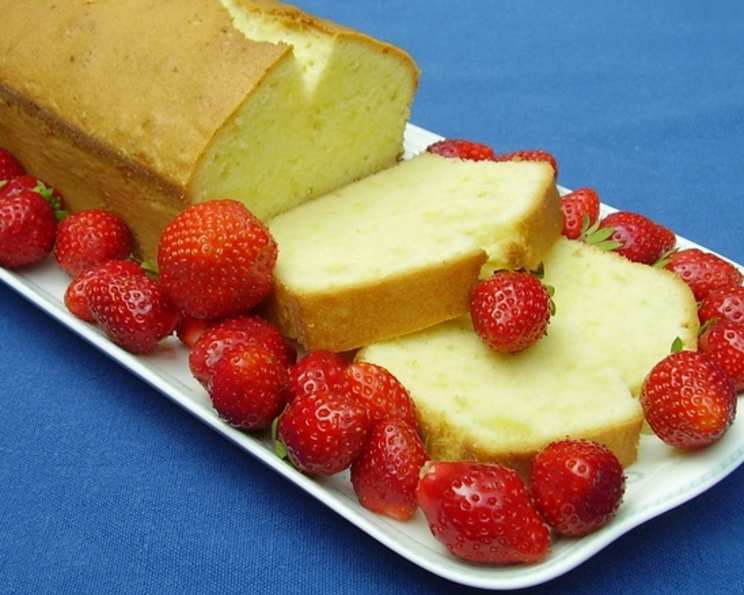
The Enduring Charm of Old-Fashioned Pound Cake
There are certain flavors that just wrap you in a warm hug, transporting you back to cherished moments. For me, that flavor is unequivocally pound cake. It’s the smell that used to waft through my Grandma Elsie’s kitchen on lazy Sunday afternoons, a rich, buttery aroma that promised pure comfort. She’d often top a thick slice with vibrant, macerated strawberries and a cloud of Cool Whip, a simple yet perfect pairing that embodied the sweetness of family gatherings. This isn’t just a cake; it’s a legacy, a taste of nostalgia that never fails to bring a smile to my face and a sense of deep contentment.
Recipe Overview
- Prep Time: 20 minutes
- Cook Time: 1 hour 15 minutes
- Total Time: 1 hour 35 minutes
- Servings: 12-16
- Yields: 2 loaves
- Dietary Type: Traditional
Ingredients
This classic pound cake recipe relies on a generous ratio of butter, sugar, eggs, and flour, creating its characteristic dense yet tender crumb.
- 1 pound butter, softened (which is 2 cups)
- 1 pound sugar (which is 2 1/4 cups)
- 9 large eggs
- 4 cups sifted cake flour
- 1 tablespoon grated lemon rind
- 1 tablespoon fresh lemon juice
A Note on Ingredients:
For the best results, ensure your butter is at a true room temperature – soft enough to indent easily with your finger but not melted. Similarly, eggs at room temperature will emulsify better into the batter. Sifting the cake flour is crucial for achieving that signature light texture within the dense cake. The lemon zest and juice add a subtle brightness that cuts through the richness beautifully.
Equipment Needed
- Two 9×5-inch loaf pans
- Electric mixer (stand mixer or hand mixer)
- Large mixing bowls
- Rubber spatula
- Measuring cups and spoons
- Sifter (for the flour)
- Parchment paper or waxed paper
- Cooling rack
Instructions
Crafting an old-fashioned pound cake is a rewarding process, and with a little attention to detail, you’ll achieve a truly exceptional result.
- Prepare the Pans: Begin by greasing your two 9×5-inch loaf pans thoroughly. Then, line them with parchment paper or waxed paper, ensuring the paper extends slightly up the sides of the pans. This will make it much easier to remove the cakes once they are baked.
- Cream the Foundation: In a large mixing bowl, cream the softened butter and sugar together. This is a critical step for developing the cake’s texture. Continue to beat them with your electric mixer on medium speed until the mixture is very light in color and appears exceptionally fluffy and creamy. This process can take about 5-7 minutes, and it incorporates air, which is vital for a tender crumb.
- Incorporate the Eggs: Beat in the eggs, one at a time. It’s very important to beat well after each addition before adding the next egg. This ensures each egg is fully incorporated into the butter-sugar mixture, preventing the batter from curdling.
- Add the Dry Ingredients Gradually: Now, it’s time to introduce the cake flour. You’ll gradually add the sifted cake flour to the creamed mixture. Blend this in thoroughly, ideally using a medium speed on your mixer. Be careful not to overmix at this stage; mix just until the flour is incorporated. Overmixing can develop the gluten in the flour too much, leading to a tougher cake.
- Infuse with Citrus: Gently add the grated lemon rind and fresh lemon juice to the batter. Blend these in just until they are evenly distributed throughout the batter. This is where that wonderful subtle fragrance and flavor come from.
- Bake to Perfection: Pour the batter evenly into the two prepared loaf pans. Bake in a preheated oven at 350ºF (175ºC) for approximately 1 hour and 15 minutes. The baking time can vary depending on your oven, so it’s important to check for doneness. The cake is ready when a wooden skewer or toothpick inserted into the center comes out clean, with no wet batter clinging to it. The tops should be a beautiful golden brown.
- Cool and Enjoy: Once baked, remove the pans from the oven and let the cakes cool in the pans for about 10-15 minutes. Then, carefully invert them onto a wire cooling rack to cool completely. Once fully cooled, you can frost or glaze them, or simply enjoy them plain, as their rich flavor speaks for itself.
Expert Tips & Tricks
- Room Temperature is Key: I cannot stress enough the importance of having your butter and eggs at room temperature. Cold ingredients will not emulsify properly, leading to a greasy or curdled batter, and a less desirable cake texture. If you forget to take your butter out, you can soften it by cutting it into small cubes and letting it sit for 15-20 minutes, or by very gently microwaving it in short bursts (just a few seconds at a time). For eggs, place them in a bowl of warm water for about 5-10 minutes.
- Sifting Flour Matters: While it might seem like an extra step, sifting your cake flour is crucial. It aerates the flour, removes any clumps, and ensures you measure accurately, contributing to that light, tender crumb that’s so desirable in a pound cake.
- Don’t Overmix: Once you start adding the flour, mix just until it’s combined. Overmixing develops gluten, which can make your pound cake tough and dense rather than tender and rich.
- Testing for Doneness: Besides the toothpick test, you can also gently press the top of the cake. If it springs back, it’s likely done. The edges of the cake should also start to pull away slightly from the sides of the pan.
- Scaling Down: If you only want to make one loaf, you can halve the recipe. The original recipe notes that for a half batch, use 5 eggs. This is a clever adaptation that maintains the integrity of the ingredient ratios.
Serving & Storage Suggestions
Old-fashioned pound cake is wonderfully versatile. It’s magnificent served simply with a dusting of powdered sugar, or with fresh berries and a dollop of whipped cream, as my Grandma Elsie used to. A light glaze of lemon juice and powdered sugar is also a delightful accompaniment.
For storage, once completely cooled, wrap the pound cake tightly in plastic wrap, and then place it in an airtight container. At room temperature, it will stay fresh for about 3-4 days. If you plan to keep it longer, refrigerate it; it will last for up to a week. To refresh a slice that’s been refrigerated, a few seconds in the microwave or a gentle warming in a low oven will do wonders. For long-term storage, freeze it. Wrap it very well in plastic wrap, then in foil, and it can be frozen for up to 3 months. Thaw overnight at room temperature.
Nutritional Information
| Nutrient | Amount per Serving | % Daily Value |
|---|---|---|
| Calories | 3821.9 kcal | – |
| Calories from Fat | 1871 kcal | – |
| Total Fat | 207.9 g | 319% |
| Saturated Fat | 124 g | 619% |
| Cholesterol | 1325 mg | 441% |
| Sodium | 1948.3 mg | 81% |
| Total Carbohydrate | 443.3 g | 147% |
| Dietary Fiber | 5 g | 20% |
| Sugars | 228.5 g | 913% |
| Protein | 52.7 g | 105% |
Note: Nutritional values are estimates and can vary based on specific ingredients and portion sizes.
Variations & Substitutions
While the classic lemon pound cake is sublime, don’t hesitate to experiment!
- Vanilla Bean Pound Cake: Omit the lemon rind and juice and add 2 teaspoons of pure vanilla extract or the seeds from one vanilla bean to the batter along with the eggs.
- Almond Pound Cake: Substitute 1/2 teaspoon of almond extract for the lemon juice and add 1/2 cup of finely chopped toasted almonds to the batter.
- Chocolate Pound Cake: Whisk 1/2 cup of unsweetened cocoa powder with the sifted cake flour. You might want to slightly increase the sugar or add a touch more liquid if the batter seems too dry.
- Sour Cream or Buttermilk: For an even more tender and moist crumb, you can replace 1/2 cup of the eggs with 1/2 cup of sour cream or buttermilk. Adjust the flour slightly if needed.
FAQs
Q: Why is it called “pound cake”?
A: The name originates from the traditional recipe, which called for a pound each of butter, sugar, eggs, and flour. This classic ratio is the foundation of its rich, dense texture.
Q: Can I use all-purpose flour instead of cake flour?
A: While cake flour is recommended for its lower protein content, which yields a more tender cake, you can substitute all-purpose flour. For every cup of cake flour, use 7/8 cup of all-purpose flour, and sift it at least three times with 1 tablespoon of cornstarch.
Q: My pound cake is too dry. What did I do wrong?
A: Dryness can result from overbaking, using too much flour, or not enough fat or moisture. Ensure you are baking until just done and that your butter and eggs are properly incorporated.
Q: What’s the best way to get a really smooth, even bake?
A: Ensure your oven temperature is accurate using an oven thermometer. Also, making sure the batter is evenly distributed in the pans and that you don’t overmix the flour contributes significantly to an even bake.
Q: Can I make this recipe into cupcakes?
A: Yes, you can bake this pound cake batter as cupcakes. Fill liners about two-thirds full and bake at 350ºF (175ºC) for approximately 20-25 minutes, or until a toothpick comes out clean.
A Timeless Delight
There’s a profound satisfaction in baking something so classic, so comforting, and so utterly delicious. This old-fashioned pound cake is more than just a dessert; it’s an invitation to slow down, to savor simple pleasures, and to create lasting memories. Whether shared with loved ones or enjoyed in a quiet moment of personal indulgence, its buttery, tender crumb and subtle citrus notes are sure to enchant. Serve it with a cup of freshly brewed coffee or a delicate black tea, and let the timeless charm of this beautiful cake unfold. I encourage you to try this recipe, embrace the process, and taste the delightful heritage in every slice.