
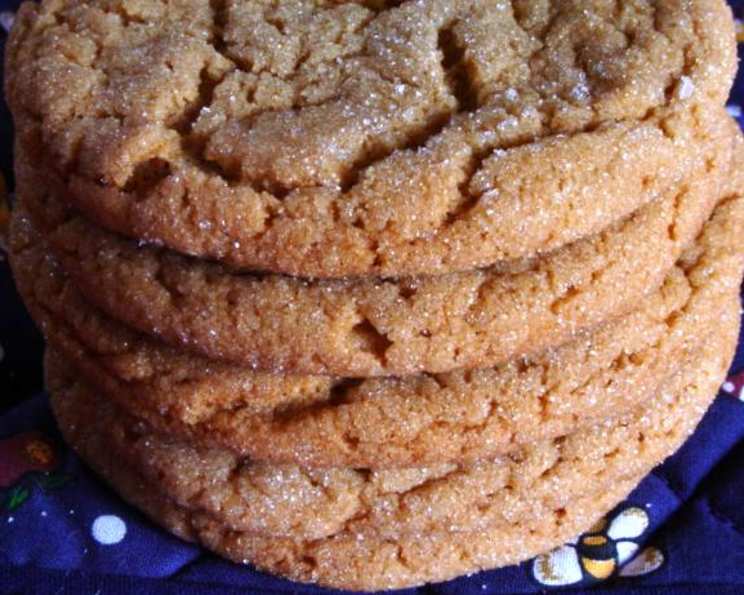
Old Fashioned Molasses Cookies: A Hug in Every Bite
There’s a distinct aroma that fills my kitchen whenever I bake these Old Fashioned Molasses Cookies, a scent that instantly transports me back to crisp autumn afternoons and the comforting embrace of my grandmother’s kitchen. She’d have a worn, flour-dusted apron on, humming a tune as she scooped dough balls onto a baking sheet, her hands, so familiar with the rhythm of baking. These cookies weren’t just a treat; they were a tangible expression of love, a promise of warmth on a chilly day. The deep, rich flavor of molasses, mingled with the subtle spice of ginger and cinnamon, is the very essence of nostalgia for me, a sweet memory I’m thrilled to share with you.
Recipe Overview
- Prep Time: 20 minutes
- Cook Time: 30 minutes
- Total Time: 50 minutes
- Servings: 75
- Yield: Approximately 75 cookies
- Dietary Type: Traditional
Ingredients
Here’s what you’ll need to recreate this timeless classic:
- 3 1⁄2 cups margarine, softened
- 4 cups sugar
- 4 eggs
- 1 cup molasses
- 8 cups all-purpose flour
- 4 teaspoons ground cinnamon
- 1 teaspoon ground ginger
- 1 teaspoon salt
- 8 teaspoons baking soda
Equipment Needed
While this recipe doesn’t require any highly specialized equipment, a few essentials will make the process smoother:
- Large mixing bowls
- Electric mixer (handheld or stand mixer) or a sturdy whisk and strong arm
- Measuring cups and spoons
- Baking sheets
- Parchment paper (optional, but highly recommended for easy cleanup)
- Wire cooling racks
- Small bowl for rolling cookies in sugar
Instructions
This recipe yields a generous batch, perfect for holidays, gatherings, or simply when you want to spread a little extra cheer. Follow these steps carefully, and you’ll be rewarded with delightful, soft molasses cookies.
- Begin by preheating your oven to 350°F (175°C). Line your baking sheets with parchment paper if desired, or ensure they are well-greased.
- In a large mixing bowl, cream together the softened margarine and sugar. Beat until the mixture is light and fluffy. This step is crucial for incorporating air, which contributes to the cookies’ tender texture.
- Add the eggs one at a time, beating well after each addition to ensure they are fully incorporated into the creamed mixture.
- Stir in the molasses. The mixture will become darker and more aromatic at this stage.
- In a separate medium bowl, whisk together the flour, cinnamon, ginger, and salt. This ensures the spices and salt are evenly distributed throughout the dry ingredients.
- Gradually add the dry ingredients to the wet ingredients, mixing on low speed or by hand until just combined. Be careful not to overmix.
- In a small bowl, dissolve the baking soda in a tablespoon or two of warm water, or simply sprinkle it over the dough and mix gently until it’s evenly distributed. The baking soda is what gives these cookies their characteristic lift and chewy texture.
- Shape the dough into balls, aiming for a size of about a fifty-cent piece. You can use a cookie scoop for consistent sizing.
- Before placing them on the baking sheet, roll each ball in granulated sugar. This sugar coating provides a delightful crunch and a glistening appearance once baked. Resist the urge to flatten the cookies; they are meant to spread on their own.
- Place the sugar-coated balls onto the prepared baking sheets, leaving about 2 inches of space between them to allow for spreading during baking.
- Bake for 10-12 minutes, or until the edges are set and lightly golden. The centers may still appear slightly soft, which is perfect for achieving that desirable soft texture.
- Once baked, remove the baking sheets from the oven and let the cookies cool on the sheets for a few minutes before carefully transferring them to wire cooling racks to cool completely.
Expert Tips & Tricks
- Creaming is Key: Don’t rush the creaming of margarine and sugar. This step is where you build the foundation for a tender cookie. Aim for a light, fluffy, almost pale yellow mixture.
- Margarine Matters: For this classic recipe, using margarine as called for is important for achieving the specific texture and flavor profile. Butter can be substituted, but it will alter the cookie’s characteristics.
- Molasses Quality: The quality of your molasses will significantly impact the flavor. A good, dark molasses will give you the deepest, richest taste.
- Room Temperature Ingredients: Ensure your margarine and eggs are at room temperature for optimal creaming and emulsification. This helps create a smoother, more cohesive dough.
- Gentle Mixing: Overmixing the flour can develop the gluten too much, resulting in tougher cookies. Mix just until the dry ingredients are incorporated.
- The Sugar Roll: Rolling the cookies in sugar before baking is a signature step. It adds a delightful crisp outer shell and a beautiful sparkle. For an extra festive touch, consider using colored sugars during the holidays.
- Don’t Flatten: As tempting as it might be to press down on the cookie balls, resist! These cookies are designed to puff up and spread naturally, creating that wonderfully soft, slightly domed center.
Serving & Storage Suggestions
These Old Fashioned Molasses Cookies are a delight served warm or at room temperature. They are wonderful on their own, accompanied by a glass of cold milk or a steaming mug of tea. For a truly decadent experience, try dipping them in coffee or pairing them with a scoop of vanilla ice cream.
Storage: These cookies are wonderfully forgiving when it comes to storage. Once completely cooled, store them in an airtight container at room temperature. They will stay fresh and soft for at least a week, making them an excellent choice for making ahead of time. If you find they become too soft, you can place a small piece of parchment paper between layers to help maintain their texture. For longer storage, they can be frozen in an airtight container for up to three months. Thaw at room temperature before serving.
Nutritional Information
| Nutrient | Amount per Serving (approx.) | % Daily Value |
|---|---|---|
| Calories | 182.8 kcal | |
| Calories from Fat | ||
| Total Fat | 8.9 g | 13% |
| Saturated Fat | 1.9 g | 9% |
| Cholesterol | 9.9 mg | 3% |
| Sodium | 270.4 mg | 11% |
| Total Carbohydrate | 24.4 g | 8% |
| Dietary Fiber | 0.4 g | 1% |
| Sugars | 13.2 g | 52% |
| Protein | 1.8 g | 3% |
Note: Nutritional values are estimates and can vary based on specific ingredients used.
Variations & Substitutions
While this recipe is a beloved classic, here are a few ideas for variations:
- Spicy Kick: For those who enjoy a bit more warmth, increase the ginger to 1.5 teaspoons or add 1/4 teaspoon of ground cloves for a deeper spice profile.
- Citrus Zest: Adding the zest of one orange or lemon to the dough can provide a subtle brightness that complements the rich molasses.
- Chewy Centers: If you prefer an even chewier cookie, slightly underbake them by a minute or two.
- Gluten-Free Option: For a gluten-free version, you can experiment with a good quality gluten-free all-purpose flour blend. You may need to adjust the amount of liquid or flour slightly to achieve the right dough consistency.
- Vegan Adaptation: To make these cookies vegan, substitute the margarine with a plant-based butter alternative and replace the eggs with flax eggs (1 tablespoon ground flaxseed mixed with 3 tablespoons water, let sit for 5 minutes to gel) or a commercial egg replacer.
FAQs
Q: Why are my molasses cookies spreading too much?
A: Ensure your oven is at the correct temperature, and that your baking sheets aren’t overcrowded. Also, make sure you are not flattening the cookie dough balls before baking.
Q: My cookies are coming out too hard. How can I make them softer?
A: The key to soft molasses cookies is not overbaking them. Remove them from the oven when the edges are set but the centers still look slightly underdone. They will continue to cook on the baking sheet. Also, ensure you are using the correct amount of baking soda.
Q: Can I use dark brown sugar instead of granulated sugar in the dough?
A: While this recipe calls for granulated sugar for creaming, you could experiment with substituting some of the granulated sugar with brown sugar for a deeper molasses flavor and chewier texture. However, the original recipe’s balance is achieved with granulated sugar.
Q: How long do these cookies stay fresh?
A: These cookies are remarkably shelf-stable due to their molasses and sugar content. They will remain soft and delicious when stored in an airtight container at room temperature for at least a week.
Q: Is it necessary to roll the cookies in sugar?
A: Rolling the cookies in sugar is an integral part of achieving the classic Old Fashioned Molasses Cookie appearance and texture. It provides a delightful crunch and a slightly caramelized edge.
Final Thoughts
These Old Fashioned Molasses Cookies are more than just a recipe; they are a delicious invitation to step back in time and savor the simple pleasures. Their comforting aroma, chewy texture, and rich, spiced flavor make them an absolute joy to bake and share. Whether you’re recreating cherished memories or forging new traditions, I encourage you to try this recipe. The simple act of rolling these dough balls in sugar, knowing the warmth and joy they’ll bring, is a baking experience in itself. Enjoy every spiced, sweet bite!