
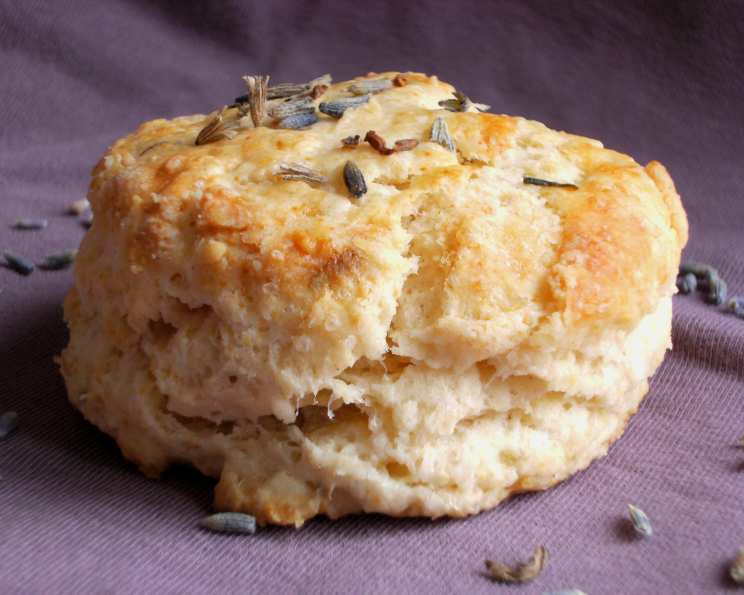
Old Fashioned English Lavender Tea Scones
My recent sojourn back in the green embrace of England was a sensory delight, particularly my visit to Wold’s Way Lavender, a gem nestled in the North Yorkshire countryside. The air, thick with the calming perfume of a thousand lavender blooms, was almost as intoxicating as the experience. In their charming little tea room, I had the distinct pleasure of tasting scones that were simply divine – light, fragrant, and utterly transportive. This recipe is my earnest endeavor to capture that fleeting perfection, enhanced by the subtle, homegrown lavender from my own garden here in France. Each batch I’ve made since has echoed those cherished memories, proving particularly magnificent when gently split while still warm, generously slathered with butter, and crowned with a whisper of lavender honey or cream infused with the same delicate floral notes. It’s fascinating to recall that lavender’s aromatic charm wasn’t confined to potpourri; during the Tudor and Elizabethan eras, it graced the tables of royalty, a particular favorite of Queen Elizabeth I, who famously commanded her gardeners to always keep lavender flowers on hand for an array of culinary preparations, including a delightful conserve and a soothing tisane.
Recipe Overview
- Prep Time: 20 minutes
- Cook Time: 7 – 10 minutes
- Total Time: 30 minutes
- Servings: 6
- Yields: 12 scones
- Dietary Type: Vegetarian
Ingredients
Here are the essentials for creating these delicate lavender-infused delights:
- 225 grams plain flour
- 1 tablespoon baking powder
- ½ teaspoon salt
- 60 grams butter, cold and cubed
- 1 tablespoon natural cane sugar
- 150 ml milk
- 1 tablespoon organic lavender flowers, culinary grade
- 1 egg, beaten, for glazing
Equipment Needed
To bring these scones to life, you’ll want to have these tools ready:
- A large mixing bowl
- A baking tray
- A pastry blender or your fingertips
- A round scone cutter (approximately 5-6 cm diameter)
- A pastry brush
- An oven
Instructions
Follow these steps meticulously to achieve a truly authentic taste of English tea-time tradition:
- Begin by pre-heating your oven to a robust 220°C (450°F). While the oven warms, lightly flour a baking tray. This prevents any sticking and ensures your scones lift off cleanly.
- In your large mixing bowl, sift together the plain flour, baking powder, and salt. Sifting is key to incorporating air, which contributes to a lighter scone.
- Add the cold, cubed butter to the flour mixture. Using a pastry blender or your fingertips, rub the butter into the flour until the mixture resembles fine breadcrumbs. This process coats the flour particles with fat, creating tender layers.
- Stir in the natural cane sugar. This adds a subtle sweetness and helps with browning.
- Create a deep well in the center of the dry ingredients. Pour in the milk.
- Using your hands, gently mix the ingredients to form a soft doughy texture. Be careful not to overwork the dough at this stage; just bring it together until it’s cohesive.
- Now, it’s time for the star of the show. Sprinkle in the organic lavender flowers.
- Knead the dough very lightly until the lavender is just incorporated and the dough is smooth. Over-kneading will develop the gluten too much, resulting in tough scones. The goal is a tender crumb.
- Turn the dough out onto a lightly floured surface. Roll out the dough to your desired thickness (around 2 cm is ideal).
- Using your scone cutter, cut out scone rounds. Press straight down; avoid twisting the cutter, as this can seal the edges and prevent them from rising evenly. Gather any scraps, gently re-roll, and cut more rounds.
- Arrange the scone rounds on your prepared baking tray, ensuring they have a little space between them.
- Using a pastry brush, brush the tops of the scones with the beaten egg. This creates a beautiful golden sheen and a lovely crust. For an extra touch of floral elegance, you can sprinkle a few extra lavender flowers on top of each scone.
- Carefully bake in the pre-heated oven for 7 to 10 minutes, or until the scones are well risen and a beautiful golden brown. Keep a close eye on them, as ovens can vary.
- Once baked to perfection, remove from the oven and let them cool on a wire rack.
Expert Tips & Tricks
- Cold Butter is Crucial: For the flakiest scones, ensure your butter is thoroughly chilled. This is what creates steam pockets during baking, leading to that desirable light texture.
- Don’t Overwork the Dough: This is arguably the most important rule for tender scones. Mix just until the ingredients come together. A few streaks of flour are preferable to a tough, overworked dough.
- Culinary Lavender: Always use culinary-grade lavender for baking. It’s specifically grown for consumption and has a milder, sweeter flavor profile than ornamental varieties.
- Light Hand with Lavender: While we want the floral notes to sing, too much lavender can become soapy. Start with the specified amount and adjust in future batches if you desire a stronger flavor.
- Test for Doneness: The scones should feel light and spring back when gently pressed. A skewer inserted into the center should come out clean.
- Warm Serving is Best: These scones are truly at their peak when served warm, straight from the oven or within a few hours of baking.
Serving & Storage Suggestions
These Old Fashioned English Lavender Tea Scones are a delightful treat at any time, but they truly shine during afternoon tea. Serve them split horizontally, while still delightfully warm. A generous slathering of good quality butter is non-negotiable. For an extra layer of delicate flavor, complement them with lavender honey or a luscious lavender-infused cream. To make lavender-infused cream, gently warm 150ml of heavy cream with 1 teaspoon of culinary lavender flowers, let it steep for 15-20 minutes off the heat, then strain.
Store any leftover scones in an airtight container at room temperature for up to 2 days. They are best enjoyed fresh, but if you need to extend their life, they can be kept in the refrigerator for up to 3 days, though they may lose some of their tender crumb. To reheat, gently warm them in a moderate oven (around 150°C/300°F) for a few minutes until warmed through. Freezing is not typically recommended for scones, as the texture can suffer upon thawing.
Nutritional Information
Please note that these values are approximate and can vary based on specific ingredients and portion sizes.
| Nutrient | Amount per Serving | % Daily Value |
|---|---|---|
| Calories | 278.7 kcal | |
| Calories from Fat | ||
| Total Fat | 10.2 g | 15% |
| Saturated Fat | 6 g | 29% |
| Cholesterol | 55.8 mg | 18% |
| Sodium | 471.1 mg | 19% |
| Total Carbohydrate | 39.6 g | 13% |
| Dietary Fiber | 1.3 g | 5% |
| Sugars | 2.2 g | 8% |
| Protein | 6.8 g | 13% |
Variations & Substitutions
- Lemon Zest Twist: For a brighter, zesty note, add the zest of half a lemon to the dry ingredients along with the flour.
- Dried vs. Fresh Lavender: If fresh culinary lavender is unavailable, you can substitute 1 teaspoon of dried culinary lavender flowers. Ensure it’s fresh, as dried herbs lose potency over time.
- Gluten-Free Option: While this recipe is written for traditional plain flour, you could experiment with a high-quality gluten-free flour blend. You may need to adjust the liquid slightly to achieve the correct dough consistency.
- Vegan Lavender Scones: To make these vegan, substitute the butter with a solid plant-based butter alternative. For the egg wash, use a little plant-based milk or a flax egg (1 tablespoon flaxseed meal mixed with 3 tablespoons water, left to thicken). Use a non-dairy milk for the liquid.
FAQs
Q: Can I use any type of lavender for these scones?
A: It’s crucial to use culinary-grade lavender specifically intended for consumption. Ornamental lavender varieties can have a bitter or soapy taste and may not be safe for ingestion.
Q: My scones came out tough. What did I do wrong?
A: The most common culprit for tough scones is over-kneading the dough. Mix just until the ingredients are combined, and handle the dough as little as possible.
Q: How can I ensure my scones rise evenly?
A: When cutting out the scone rounds, press the cutter straight down without twisting. Twisting seals the edges and can impede the rise. Also, ensure your baking powder is fresh.
Q: Can I make the dough for these scones ahead of time?
A: Scone dough is best made and baked fresh. While you can mix the dry ingredients ahead of time, it’s recommended to add the wet ingredients and bake the scones just before serving for the best texture.
Q: Why do my scones taste a bit like soap?
A: This is usually due to using too much lavender or using a variety that isn’t culinary grade. Ensure you’re using a small amount of high-quality culinary lavender and that it’s well distributed throughout the dough.
Final Thoughts
There’s a certain magic that happens when the delicate perfume of lavender meets the comforting embrace of a freshly baked scone. These Old Fashioned English Lavender Tea Scones are more than just a recipe; they are an invitation to slow down, to savor a moment of quiet indulgence, and to connect with a tradition that spans centuries. Whether enjoyed with a pot of Earl Grey or a simple cup of tea, they offer a taste of refined simplicity. I encourage you to bake them, to breathe in their enchanting aroma as they bake, and to share them with loved ones. I’d be delighted to hear how your own fragrant creations turn out!