
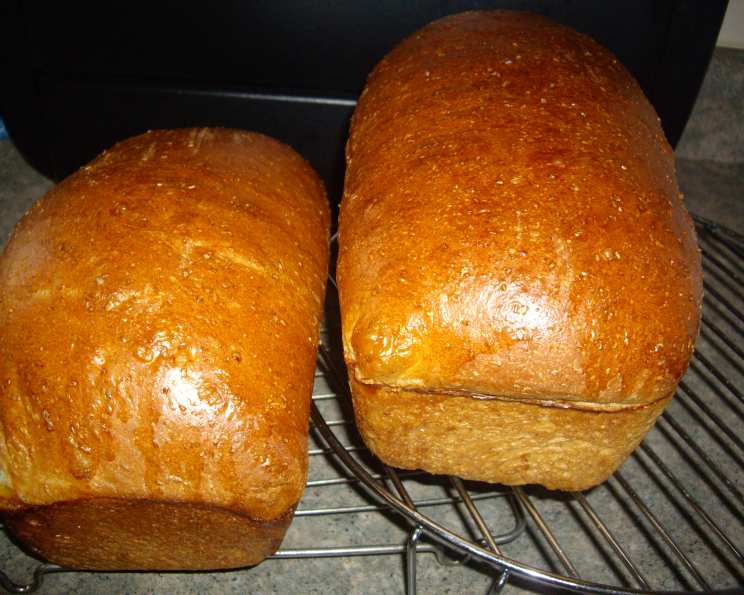
Old-Fashioned Buttermilk Bread: A Hug in Loaf Form
There’s a certain comfort that only a homemade loaf of bread can provide. For me, it’s tied to the scent that slowly fills the house as it bakes, a promise of warmth and simple indulgence. This particular buttermilk bread always brings me back to my grandmother’s kitchen, a place where flour dust danced in sunbeams and the air was thick with the aroma of her latest baking creation. She’d often use her trusty bread machine, but her finishing touch was always to shape the dough by hand and bake it in the oven, a method that yielded an incredibly light and tender crumb, a testament to her patient, loving approach to cooking.
Recipe Overview
- Prep Time: 15 minutes
- Cook Time: 30-35 minutes
- Total Time: 31 hours 5 minutes (includes machine cycle, rising, and baking)
- Servings: 20
- Yields: 2 loaves
- Dietary Type: Contains Dairy, Contains Gluten
Ingredients
- 1 ¾ cups buttermilk, plus 2 tablespoons buttermilk (at room temperature)
- 2 tablespoons butter (at room temperature)
- 1 tablespoon honey or 1 tablespoon barley malt
- 1 tablespoon sugar
- 3 cups whole wheat flour
- 1 cup white flour
- 2 tablespoons vital wheat gluten
- ¼ teaspoon baking soda
- 1 ½ teaspoons salt
- 2 teaspoons active dry yeast
Equipment Needed
- Bread machine (optional, for dough cycle)
- Two 8-inch loaf pans
- Measuring cups and spoons
- Large mixing bowl (if shaping by hand)
- Oven
- Cooling rack
- Microwave (for instant proofer, optional)
Instructions
The secret to this wonderfully tender bread lies in the simplicity of its ingredients and the magic of buttermilk. All your ingredients should be at room temperature before you begin, ensuring the yeast can work its magic efficiently.
-
Prepare for Baking: Gather all your ingredients. Ensure your buttermilk, butter, and any other wet ingredients are at room temperature. This is crucial for the yeast to activate properly.
-
Bread Machine Method (Dough Cycle): If using a bread machine, add all ingredients in the order suggested by your machine’s manual. Typically, this involves placing the liquids first, followed by the dry ingredients, and finally the yeast. Select the Basic Bread cycle and process according to the manufacturer’s directions. During the kneading phase, monitor the dough consistency. If it appears too dry and stiff, add the extra 2 tablespoons of buttermilk gradually until the dough is soft and pliable, pulling away from the sides of the bowl.
-
Hand Shaping Method: If you prefer to shape your loaves by hand or are using the dough cycle of your bread machine, proceed as follows after the dough has been kneaded and has completed its first rise (if using a machine for just the dough cycle). Turn the dough out onto a lightly floured surface.
-
Divide and Shape: Divide the dough in half. Gently shape each half into a loaf. You can do this by flattening the dough into a rectangle, then folding the sides in towards the center, and finally rolling it up tightly. Pinch the seams closed.
-
Prepare Loaf Pans: Grease two 8-inch loaf pans well to prevent sticking.
-
Second Rise: Place the shaped loaves into the prepared loaf pans. Set them to rise in a warm place for 45 minutes. A wonderfully effective trick for a quick, warm environment is the “instant proofer” method: heat 1 cup of water in your microwave for 1 minute. Carefully remove the hot water, place it in a corner of the microwave, then place your covered bread pans inside the microwave. Close the door and let the bread rise. This creates a steamy, warm environment perfect for a rapid and beautiful rise.
-
Preheat Oven: While the bread is rising, preheat your oven to 350°F (175°C).
-
Score the Loaves: Just before baking, you can slash the top of each loaf with a sharp knife or lame. This allows the bread to expand evenly in the oven and creates an attractive crust.
-
Bake the Bread: Bake in the preheated 350°F oven for 30 to 35 minutes, or until the loaves are golden brown and sound hollow when tapped on the bottom.
-
Cooling: Once baked, immediately remove the loaves from the pans and place them on a wire cooling rack. Let the loaf cool for 15 minutes before slicing. This allows the internal structure to set, preventing a gummy texture.
Expert Tips & Tricks
- Room Temperature is Key: I cannot stress enough the importance of having your buttermilk and butter at room temperature. It makes a significant difference in how the dough comes together and how the yeast performs.
- Dough Consistency Check: When using a bread machine, the “windowpane test” is your friend. Pinch off a small piece of dough and gently stretch it. If you can stretch it thin enough to see light through it without tearing, it’s perfectly kneaded. If it tears easily, it needs more kneading or a touch more liquid.
- The “Instant Proofer” Magic: This microwave trick is a game-changer, especially for those in cooler climates or with drafty kitchens. It mimics a perfect proofing environment without the need for a dedicated warming drawer.
- Slicing for the Best Experience: Allow the bread to cool for at least 15 minutes, but for truly ideal slicing, wait until it’s completely cool. This prevents the delicate crumb from being squashed.
Serving & Storage Suggestions
This Old-Fashioned Buttermilk Bread is a chameleon of the kitchen, perfect for almost any occasion. Slice it thick and toast it lightly to serve alongside your morning eggs and bacon, or slather it with creamy butter for a simple, satisfying snack. It’s also the perfect vehicle for your favorite jams and jellies, or even as the base for a decadent French toast casserole.
For storage, keep cooled loaves wrapped tightly in plastic wrap or a bread bag at room temperature for up to 3-4 days. If you anticipate needing it for longer, the bread freezes beautifully. Wrap cooled loaves tightly in plastic wrap, then in aluminum foil or a freezer bag, and it will keep for up to 3 months. To reheat, thaw at room temperature or gently warm slices in a toaster or a low oven.
Nutritional Information
| Nutrient | Amount per Serving | % Daily Value |
|---|---|---|
| Calories | 109.9 kcal | |
| Calories from Fat | 15 g | |
| Total Fat | 1.8 g | 2 % |
| Saturated Fat | 0.9 g | 4 % |
| Cholesterol | 4 mg | 1 % |
| Sodium | 223.7 mg | 9 % |
| Total Carbohydrate | 20.6 g | 6 % |
| Dietary Fiber | 2.5 g | 9 % |
| Sugars | 2.7 g | 10 % |
| Protein | 4 g | 8 % |
Note: Nutritional values are approximate and can vary based on specific ingredients used.
Variations & Substitutions
While this recipe is classic for a reason, feel free to experiment!
- Honey vs. Barley Malt: Both offer a unique sweetness. Honey provides a floral note, while barley malt adds a deeper, richer flavor often found in traditional rye breads.
- Flour Blend: If you find you want a lighter loaf, you can slightly increase the white flour and decrease the whole wheat flour, though this will alter the nutritional profile.
- Add-ins: Consider adding seeds like flaxseed or poppy seeds to the dough for extra texture and flavor. A sprinkle of herbs like rosemary or thyme during the final shaping can also elevate this bread.
FAQs
Q: Can I make this bread entirely in the bread machine?
A: Yes, you can follow the machine’s basic bread cycle from start to finish. However, shaping and baking it in the oven as described in the instructions often yields a superior crust and texture.
Q: My bread didn’t rise well. What could be the reason?
A: The most common culprits are inactive yeast, incorrect water temperature, or a dough that is too stiff. Ensure your yeast is fresh and that all ingredients are at room temperature.
Q: Why is buttermilk used in bread?
A: The acidity in buttermilk reacts with the baking soda to create a tender crumb and a slightly tangy flavor. It also contributes to the bread’s moisture.
Q: How can I get a really crispy crust?
A: One method is to place a shallow pan of hot water on the bottom rack of your oven during the initial baking phase. The steam helps create a crisper crust. You can also brush the top of the loaf with a little melted butter or milk just before baking.
Q: Is it possible to make this bread gluten-free?
A: This particular recipe is not designed for gluten-free baking. Gluten-free bread requires specialized flours and binders, and a different ratio of ingredients and techniques.
Final Thoughts
There’s a profound satisfaction that comes from pulling a warm, golden loaf of homemade buttermilk bread from the oven. It’s a tangible representation of patience, care, and the simple joy of creating something nourishing. I encourage you to try this recipe, whether you embrace the convenience of your bread machine or the tactile pleasure of shaping by hand. Share it with loved ones, or simply savor a slice with a generous smear of butter. It’s more than just bread; it’s a warm embrace in edible form.