
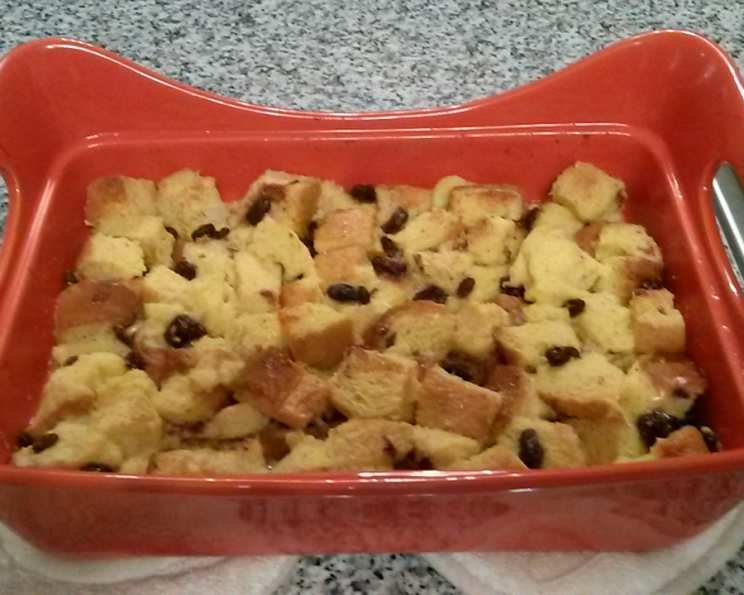
The Enduring Comfort of Old Fashioned Bread Pudding
There’s a particular kind of magic that happens when humble ingredients are transformed into something truly spectacular, a culinary alchemy that whispers of home and hearth. For me, that magic is most potent in a classic bread pudding. I remember as a child, my grandmother, a woman whose hands always smelled faintly of flour and vanilla, would pull a golden-brown, fragrant bread pudding from the oven. The steam that rose was a promise of pure, unadulterated comfort, a dish that felt like a warm hug on a chilly afternoon. It wasn’t fancy, but it was always, always perfect, a testament to the enduring power of simple, well-loved recipes passed down through generations.
Recipe Overview
- Prep Time: 20 minutes
- Cook Time: 40 minutes
- Total Time: 1 hour
- Servings: 8-10
- Yield: 1 casserole dish
- Dietary Type: Classic Dessert
Ingredients
This is a recipe where the quality of your bread truly matters. Aim for day-old, slightly dry loaves to achieve the best texture – think challah, brioche, or even a good French baguette.
- 12-14 slices stale bread, cut into large cubes
- 1/4 cup melted butter or 1/4 cup margarine
- 1/2 cup raisins
- 5 eggs (which I prefer to use) or 5 Egg Beaters egg substitute
- 4 cups warm half-and-half or 4 cups whole milk
- 1 teaspoon ground cinnamon
- 1/2 teaspoon salt
- 1/4 teaspoon ground nutmeg
- 2 teaspoons vanilla
- 3/4 cup white sugar (scant)
Equipment Needed
- Large mixing bowl
- Whisk
- Measuring cups and spoons
- 9×13 inch baking dish (or similar sized casserole dish)
- Oven
- Small saucepan (for warming milk, optional)
- Large baking pan (for water bath)
- Knife or toothpick (for testing doneness)
Instructions
The beauty of this bread pudding lies in its straightforward preparation. The key is to allow the bread to absorb the custard mixture properly, creating a luscious, tender interior.
- Preheat your oven to 350 degrees F (175 degrees C).
- In a large mixing bowl, gently whisk together the eggs (or egg substitute), warm half-and-half (or whole milk), ground cinnamon, salt, ground nutmeg, vanilla, and scant white sugar. Ensure everything is well combined.
- Now, the crucial step to prevent scrambled eggs: temper the eggs into the warm milk. Gradually pour the warm half-and-half or milk into the egg mixture while whisking continuously. This slow introduction of heat will gently cook the eggs without scrambling them. If you are using milk that has been heated on the stovetop, be sure it is warm, not boiling.
- Add the stale bread cubes and raisins to the bowl with the custard mixture. Gently stir to ensure all the bread is coated.
- Let the mixture sit for at least 15 minutes. This resting period is essential for the bread to absorb the liquid, softening it and allowing the flavors to meld. You’ll notice the bread cubes will begin to soften and soak up the delicious custard.
- Pour the bread and custard mixture into your prepared baking dish.
- To ensure an incredibly tender and evenly baked bread pudding, we’ll employ a water bath. Place your baking dish inside a larger baking pan. Carefully pour hot water into the larger pan, coming about halfway up the sides of your bread pudding dish.
- Bake in the preheated oven for approximately 40 minutes, or until a knife or toothpick inserted into the center comes out clean. The top should be golden brown and the pudding should be set but still have a slight wobble.
Expert Tips & Tricks
As a chef, I’ve found a few nuances can elevate this classic dish even further.
- Bread Choice is Paramount: As mentioned, the drier the bread, the better it will absorb the custard. If your bread is fresh, you can lightly toast the cubes in the oven for about 10-15 minutes at 300°F (150°C) until they are just dried out, not browned.
- Don’t Over-Mix: When combining the bread with the custard, a gentle stir is all that’s needed. Over-mixing can break down the bread too much, leading to a mushy texture.
- Water Bath is Your Friend: Don’t skip the water bath! It creates a humid environment in the oven, which prevents the edges from drying out and ensures a creamy, custard-like consistency throughout.
- Check for Doneness Wisely: While a knife or toothpick is a good indicator, the pudding should also feel slightly firm to the touch when gently pressed. It will continue to set as it cools.
Serving & Storage Suggestions
Bread pudding is wonderful served warm. A simple dusting of powdered sugar can be elegant, or for a truly decadent experience, accompany it with a drizzle of caramel sauce, a dollop of whipped cream, or a scoop of vanilla ice cream.
Leftovers can be stored, covered tightly, in the refrigerator for up to 3 days. To reheat, gently warm individual portions in the microwave or bake a larger portion in a low oven (around 300°F or 150°C) until heated through. Be mindful that reheating can sometimes slightly alter the texture, but it will still be deliciously comforting.
Nutritional Information
This is an approximate nutritional breakdown and can vary based on the specific ingredients used.
| Nutrient | Amount per Serving | % Daily Value |
|---|---|---|
| Calories | 456.4 kcal | |
| Calories from Fat | 215 g | |
| Total Fat | 23.9 g | 36 % |
| Saturated Fat | 13.6 g | 67 % |
| Cholesterol | 176.3 mg | 58 % |
| Sodium | 482.9 mg | 20 % |
| Total Carbohydrate | 50.8 g | 16 % |
| Dietary Fiber | 1.4 g | 5 % |
| Sugars | 26.2 g | 104 % |
| Protein | 10.7 g | 21 % |
Variations & Substitutions
While this recipe is a beautiful classic, it’s also a wonderful canvas for creativity:
- Fruitful Additions: Beyond raisins, consider adding fresh berries, diced apples (tossed with a little cinnamon), or even dried cranberries.
- Chocolate Lover’s Dream: Fold in a generous handful of chocolate chips into the bread mixture before baking.
- Spiced Symphony: Enhance the spices by adding a pinch of cardamom or ginger to the custard.
- Dairy-Free Delight: Substitute the half-and-half or whole milk with a good quality unsweetened plant-based milk, such as almond or oat milk. You may need to adjust the sugar slightly depending on the sweetness of your milk.
FAQs
Q: Why is my bread pudding soggy?
A: This can happen if the bread was too fresh and didn’t have time to absorb the liquid properly, or if the custard wasn’t fully set during baking. Ensure you’re using stale bread and baking until the center is firm.
Q: Can I make bread pudding ahead of time?
A: Yes, you can assemble the bread pudding and refrigerate it for up to 24 hours before baking. You might need to add a few extra minutes to the baking time.
Q: What kind of bread is best for bread pudding?
A: Stale, slightly dense breads like challah, brioche, or French bread work best as they absorb the custard without becoming too mushy.
Q: My bread pudding looks a little bland. How can I make it prettier?
A: A simple dusting of powdered sugar or a light caramel sauce can add both visual appeal and delicious flavor. Fresh berries also make a beautiful garnish.
Q: Can I omit the raisins?
A: Absolutely! If raisins aren’t your preference, feel free to leave them out or substitute them with another dried fruit like cranberries or chopped dates.
There you have it – a recipe for a timeless dessert that’s as comforting as a warm embrace. This Old Fashioned Bread Pudding is more than just a dessert; it’s a feeling, a memory, a taste of home. I encourage you to gather your ingredients, embrace the simple joy of baking, and create your own delicious memories. Share it with loved ones, perhaps alongside a steaming mug of spiced cider or a rich coffee, and savor every spoonful.