
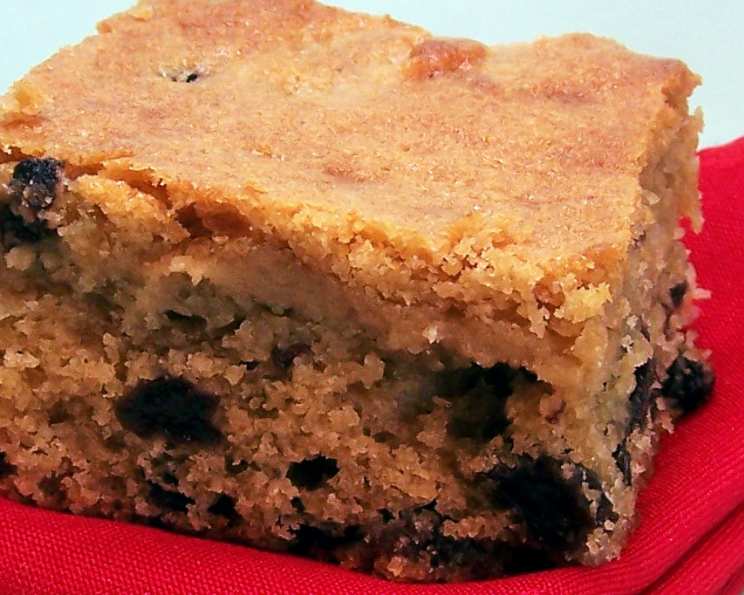
The Enduring Charm of Old Fashioned Boiled Sultana Cake
There are certain scents that, for me, conjure up an entire era – the sweet, comforting aroma of sultanas simmering with butter and sugar instantly transports me back to my grandmother’s bustling kitchen. It wasn’t just a cake; it was an event, a warm embrace in edible form. The anticipation built as the syrupy mixture bubbled away on the stove, a promise of the rich, dense, and utterly delightful cake that would emerge, often enjoyed with a strong cup of tea on a drizzly afternoon. This Old Fashioned Boiled Sultana Cake is more than just a recipe; it’s a tangible link to those cherished memories, a taste of simple, honest baking that never fails to bring a smile.
Recipe Overview
- Prep Time: 15 minutes
- Cook Time: Approximately 30-40 minutes
- Total Time: Approximately 55 minutes – 1 hour 5 minutes
- Servings: 6-8
- Yield: 1 (7″ x 8″ or 18 x 20cm) square cake
- Dietary Type: Traditional
Ingredients
- 250 g margarine
- 2 ½ cups sultanas
- 1 cup sugar
- ½ teaspoon baking powder
- 1 cup water
- 2 eggs (well beaten)
- 1 cup self-raising flour
- 1 cup plain flour
Equipment Needed
- Medium saucepan
- Wooden spoon or heatproof spatula
- Measuring cups and spoons
- Whisk
- Mixing bowl
- 7″ x 8″ (18 x 20cm) square baking tin
- Greaseproof paper or parchment paper
- Wire cooling rack
- Skewer or toothpick for testing doneness
Instructions
This method, passed down through generations, relies on a clever stovetop simmering process to infuse the fruit and create a beautifully moist crumb.
- Begin by placing the margarine, sultanas, sugar, and water into a medium saucepan.
- Bring the mixture to a boil over medium heat, stirring gently to combine.
- Once boiling, cover the saucepan and allow it to simmer for exactly 3 minutes. This brief simmering period is crucial for plumping up the sultanas and dissolving the sugar.
- After simmering, remove the saucepan from the heat and allow the mixture to cool. This step is essential; adding eggs to a hot mixture will cause them to scramble. Let it cool to a point where it’s no longer steaming and is comfortable to touch.
- Once the sultana mixture has cooled sufficiently, add the eggs to the saucepan. It’s best to incorporate them one at a time, beating gently after each addition to ensure they are fully blended into the cooled syrup.
- Next, sift the self-raising flour and plain flour directly into the saucepan with the wet ingredients. Don’t forget to also add the baking powder at this stage. Sifting the flours not only aerates them but also helps to prevent lumps.
- Using a wooden spoon or spatula, mix all the ingredients together until just combined. Be careful not to overmix, as this can lead to a tough cake. The batter should be thick and glossy.
- Prepare your baking tin: Line a 7″ x 8″ (18 x 20cm) square tin with greaseproof paper or parchment paper, ensuring it comes up the sides to prevent sticking and to help the cake rise evenly.
- Pour the cake batter into the prepared tin, spreading it evenly with your spoon.
- Bake in a preheated oven at 180 degrees Celsius (350 degrees Fahrenheit / Gas Mark 4). The baking time will vary depending on your oven, but typically takes between 30 to 40 minutes, or until a skewer inserted into the center of the cake comes out clean.
Expert Tips & Tricks
- Sultana Quality Matters: While the recipe calls for sultanas, using good quality ones will make a noticeable difference. If your sultanas seem a little dry, you can soak them in a tablespoon of hot water for about 10 minutes before adding them to the saucepan, but ensure you drain off any excess before proceeding with the recipe.
- Cooling is Key: I cannot stress enough the importance of letting the initial boiled mixture cool before adding the eggs. This is the most common pitfall for this type of cake, leading to a dense, undesirable texture if overlooked. Patience here will be rewarded.
- Oven Variations: Ovens can be fickle friends! If you know your oven runs hot, consider checking the cake a few minutes earlier than the suggested time. Conversely, if it tends to run cooler, it might need those extra minutes. The skewer test is your most reliable indicator.
- Lining the Tin: Using greaseproof paper that extends slightly above the rim of the tin can help the cake rise more evenly and prevent the edges from catching.
Serving & Storage Suggestions
This Old Fashioned Boiled Sultana Cake is wonderfully versatile. It’s delicious served warm or at room temperature. A slice is perfect on its own, but it also pairs beautifully with a dollop of clotted cream, a spoonful of custard, or even a smear of good quality butter.
For storage, once the cake has cooled completely, wrap it tightly in cling film or place it in an airtight container. It will keep well at room temperature for 2-3 days, retaining its lovely moisture. If you need to store it for longer, it can be refrigerated for up to 5 days, though it may become slightly firmer. To reheat, a few seconds in the microwave or a gentle warming in a low oven will bring it back to its delicious best.
Nutritional Information
| Nutrient | Amount per Serving (approximate) | % Daily Value |
|---|---|---|
| Calories | 300-350 kcal | 15-18% |
| Total Fat | 10-15 g | 13-19% |
| Saturated Fat | 3-5 g | 15-25% |
| Cholesterol | 50-70 mg | 17-23% |
| Sodium | 150-250 mg | 7-11% |
| Total Carbohydrate | 45-55 g | 16-20% |
| Dietary Fiber | 1-2 g | 4-8% |
| Sugars | 25-35 g | 28-39% |
| Protein | 4-6 g | 8-12% |
Note: Nutritional values are estimates and can vary based on specific ingredients used.
Variations & Substitutions
While this recipe is a classic for a reason, you can certainly put your own spin on it.
- Spice it Up: For a warmer, more complex flavour, consider adding a pinch of ground cinnamon, nutmeg, or mixed spice to the dry ingredients.
- Citrus Zest: The zest of one lemon or orange added to the initial simmering mixture can provide a delightful brightness that cuts through the sweetness.
- Nutty Addition: For added texture and flavour, roughly chopped walnuts or pecans can be folded into the batter along with the flour.
- Raisin Variation: While sultanas are traditional, you could also use a mix of raisins and currants for a slightly different flavour profile.
FAQs
Q: Why is the initial mixture boiled and then cooled?
A: Boiling softens the sultanas and dissolves the sugar, creating a moist base. Cooling is essential to prevent the eggs from cooking when added.
Q: Can I use butter instead of margarine?
A: Yes, you can substitute butter for margarine. This may slightly alter the texture and richness of the cake.
Q: How do I know when the cake is perfectly baked?
A: Insert a skewer or toothpick into the center of the cake. If it comes out clean, without any wet batter clinging to it, the cake is done.
Q: My cake seems a bit dense. What could have gone wrong?
A: The most common culprits for a dense cake are overmixing the batter after adding the flour, or adding the eggs to a mixture that was still too hot.
Q: How long can I store this cake?
A: The cake will keep well at room temperature for 2-3 days or can be refrigerated for up to 5 days.
Final Thoughts
This Old Fashioned Boiled Sultana Cake is a testament to the beauty of simple, honest baking. It’s the kind of cake that doesn’t need elaborate decoration to shine. Its rich, moist crumb and sweet, fruity flavour are a comforting delight. I encourage you to give this recipe a try, to recapture a little bit of that old-fashioned charm. Bake it for a quiet afternoon treat, share it with loved ones, or simply enjoy the process of creating something truly heartwarming. I’d love to hear about your experiences with this nostalgic bake – perhaps it will inspire your own cherished baking memories.