
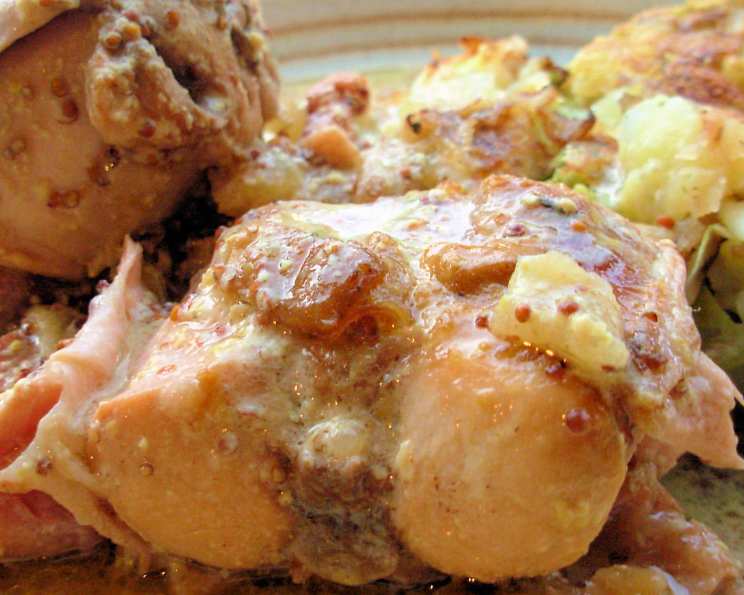
Old Fashion Rabbit Stew: A Taste of Rustic Elegance
There’s a certain magic that happens when humble ingredients are coaxed into something extraordinary, and my friend Dina’s rabbit stew is a prime example. I remember the first time she served it, the aroma alone was enough to transport me to a cozy countryside kitchen. The tender rabbit, nestled in a rich, wine-infused sauce with sweet, caramelized onions and earthy new potatoes, was a revelation. It’s the kind of dish that whispers stories of tradition and care, a comforting embrace on a cool evening, and a dish that truly elevates a simple meal into a memorable occasion.
Recipe Overview
- Prep Time: Approximately 30 minutes
- Cook Time: Approximately 2 hours 15 minutes
- Total Time: 2 hours 45 minutes
- Servings: 6
- Yield: A hearty stew
- Dietary Type: Not specified (traditionally contains meat and dairy)
Ingredients
- 1 large rabbit, chopped into 12 pieces (discard the head and feet)
- 3 garlic cloves, finely chopped
- 1 onion, finely chopped
- 8 ounces bacon, sliced and diced
- 1 bouquet garni (see below for instructions)
- 10 sprigs parsley
- 10 sprigs thyme
- 1 bay leaf
- 3 tablespoons olive oil
- 1 cup red wine
- 3 cups water
- 1 cup small onions
- 1 tablespoon sugar
- 1 tablespoon butter
- 12 new potatoes
- Fresh chervil, for garnish
- 1 teaspoon salt
- 1 teaspoon pepper
For the Bouquet Garni:
To create your bouquet garni, gather the parsley sprigs, thyme sprigs, and the bay leaf. Tie them together securely with a piece of kitchen string. This infuses the stew with aromatic herbs without leaving stray leaves.
Equipment Needed
- A large, heavy-bottomed casserole dish with a lid
- A knife for chopping
- A cutting board
- A saucepan for the caramelized onions
- A slotted spoon
- Kitchen string for the bouquet garni
Instructions
- Begin by preparing the rabbit. Chop it into approximately 12 equal pieces, discarding the head and feet. Ensure each piece is a manageable size for serving.
- Next, finely chop the garlic cloves and the larger onion.
- Slice the bacon and then dice it into small, bite-sized pieces.
- Assemble your bouquet garni. Gather the parsley sprigs, thyme sprigs, and the bay leaf. Tie them together tightly with kitchen string. This will allow you to easily remove the herbs from the stew later.
- Heat the olive oil in your large casserole dish over medium-high heat. Carefully sear the rabbit pieces until they are lightly browned on all sides. Use a slotted spoon to remove the browned rabbit from the casserole and set it aside.
- In the same casserole dish, add the finely chopped garlic, the finely chopped onion, and the prepared bouquet garni. Fry these aromatics for a few minutes until they begin to soften and become fragrant.
- Add the diced bacon to the casserole and allow it to color lightly.
- Carefully pour off any excess fat from the casserole.
- Return the seared rabbit pieces to the casserole. Deglaze the pan by pouring in the red wine. Scrape the bottom of the dish to loosen any browned bits.
- Add 3 cups of water to the casserole. Ensure the rabbit is mostly submerged. Cover the casserole dish tightly with its lid.
- Cook the stew in a preheated oven at 325°F (160°C) for 1 hour and 45 minutes. This slow cooking process will tenderize the rabbit beautifully.
- While the rabbit stew is cooking, prepare the caramelized onions. Peel the small onions and remove their root ends. Rinse them well to remove any lingering dirt.
- In a separate saucepan, cook the small onions in enough water to cover them. Add the sugar, butter, salt, and pepper.
- Cook these onions over medium heat until all the water has evaporated and the onions have become beautifully caramelized. This will take approximately 20 minutes. Keep a close eye on them to prevent burning.
- After the rabbit stew has been cooking for 90 minutes (1 hour 30 minutes), it’s time to add the potatoes. Peel and cut the new potatoes into narrow rectangles.
- Add the prepared potato pieces to the simmering rabbit stew. Cover the casserole again and continue to cook until the potatoes are tender. This should take approximately another 30-45 minutes, depending on the size of your potato pieces.
- Once the stew is cooked and the potatoes are tender, remove the bouquet garni.
- Serve the hot rabbit stew in bowls. Top each serving with a generous spoonful of the caramelized onions. Finally, garnish with freshly chopped chervil for a touch of freshness and color.
Expert Tips & Tricks
- Rabbit Preparation: When preparing the rabbit, ensure you have a sharp knife. Rabbit can be a bit tough to cut if the knife isn’t keen. Don’t discard the meat from the bones; it will fall off during the long cooking process and enrich the stew.
- Browning is Key: Don’t rush the searing process for the rabbit. Developing a good brown crust adds immense depth of flavor to the final stew.
- Caramelizing Onions: Patience is a virtue when caramelizing onions. The low and slow evaporation of water with the addition of sugar and butter creates an unparalleled sweetness and richness that is a hallmark of this dish. Stir them occasionally to ensure even cooking and to prevent sticking.
- Bouquet Garni: If you don’t have kitchen string, you can also place the herbs in a small piece of cheesecloth, tie it up, and submerge it in the stew. This makes for even easier removal.
- Potato Size: Cutting the potatoes into narrow rectangles ensures they cook evenly and don’t turn to mush. They should be tender but still hold their shape.
Serving & Storage Suggestions
This Old Fashion Rabbit Stew is best served piping hot, its rich aromas filling the air. Ladle generous portions into warm, deep bowls. The caramelized onions are a crucial element, providing a delightful sweet counterpoint to the savory stew, so be sure to spoon them on top of each serving. The fresh chervil adds a final flourish of bright, herbaceous flavor and visual appeal.
For storage, allow the stew to cool completely before transferring it to an airtight container. It can be stored in the refrigerator for up to 3 days. Reheat gently on the stovetop over low heat, stirring occasionally, or in the microwave until heated through. If the sauce seems a little thick upon reheating, you can add a splash of water or broth to loosen it. This stew also freezes beautifully for up to 3 months. Thaw overnight in the refrigerator and then reheat as described.
Nutritional Information
| Nutrient | Amount per Serving | % Daily Value |
|---|---|---|
| Calories | 574.8 kcal | N/A |
| Calories from Fat | N/A | 41% |
| Total Fat | 26.1 g | 40% |
| Saturated Fat | 7.9 g | 39% |
| Cholesterol | 30.8 mg | 10% |
| Sodium | 744.5 mg | 31% |
| Total Carbohydrate | 67.8 g | 22% |
| Dietary Fiber | 8.4 g | 33% |
| Sugars | 6.9 g | 27% |
| Protein | 12 g | 23% |
(Note: Nutritional values are estimates and can vary based on specific ingredients and portion sizes.)
Variations & Substitutions
While this recipe is a classic, there’s always room for a personal touch.
- Vegetarian Adaptation: For a vegetarian version, you could substitute firm, pan-seared tofu or substantial mushrooms like portobello for the rabbit. The cooking time would need to be adjusted significantly, and the rich, savory base would still be built upon the aromatics and red wine.
- Herbal Infusion: Experiment with different herbs in your bouquet garni. Rosemary or sage can add a deeper, woodsy note that pairs wonderfully with rabbit.
- Root Vegetable Medley: Feel free to add other root vegetables such as parsnips or carrots, chopped to a similar size as the potatoes, during the last 45 minutes of cooking.
FAQs
Q: Why is the rabbit cut into 12 pieces?
A: This size is ideal for even cooking and makes for a more manageable portion when serving.
Q: Can I use a different type of wine?
A: While red wine is traditional and recommended for its depth, a dry white wine could be used, though it would impart a different flavor profile.
Q: My stew seems a bit thin, what can I do?
A: If the stew is too thin after cooking, you can remove the lid and simmer gently for an additional 10-15 minutes to allow some of the liquid to evaporate and the sauce to thicken. Alternatively, you can create a slurry of 1 tablespoon of cornstarch mixed with 2 tablespoons of cold water and stir it into the simmering stew until it thickens.
Q: How do I know if the rabbit is cooked through?
A: The rabbit meat should be very tender and easily pull away from the bone when pierced with a fork. The potatoes should also be fork-tender.
Q: Is this stew spicy?
A: This recipe is not typically spicy. The flavor comes from the richness of the rabbit, the wine, aromatics, and the sweetness of the caramelized onions. You can add a pinch of red pepper flakes if you desire a touch of heat.
Final Thoughts
Dina’s Old Fashion Rabbit Stew is more than just a meal; it’s an experience. It’s a testament to the power of slow cooking and thoughtful preparation. The effort invested in browning the meat, caramelizing the onions, and allowing the flavors to meld is richly rewarded with a dish that is both comforting and undeniably elegant. I encourage you to gather your ingredients, embrace the process, and create this culinary treasure in your own kitchen. It’s perfect for a special gathering, or simply as a way to treat yourself to something truly delicious. Enjoy every hearty, flavorful spoonful!