
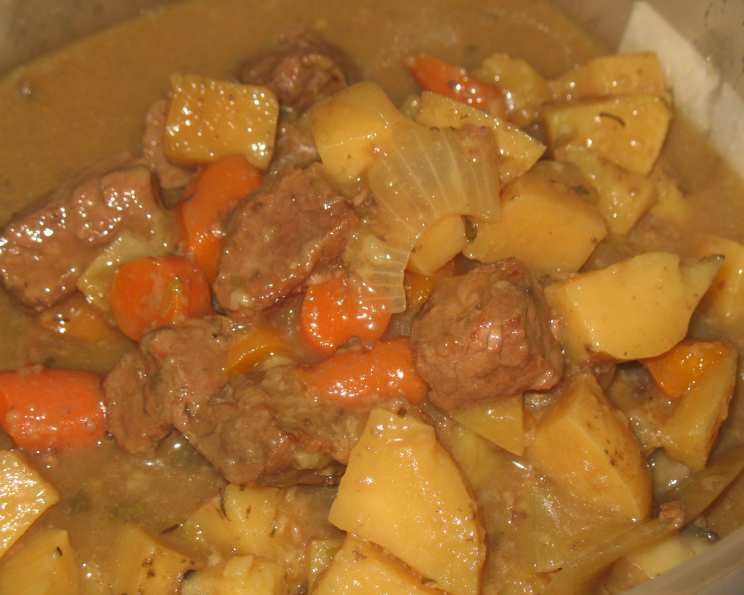
The Heartwarming Embrace of Old Fashion Beef Stew
There’s a particular kind of magic that unfolds when a dish carries with it the whispers of generations. For me, that magic resides in a pot of Old Fashion Beef Stew. I remember my grandmother, a woman whose hands seemed to hold the very essence of comfort, stirring this very stew on a chilly autumn evening. The aroma, a rich tapestry of savory beef, earthy root vegetables, and fragrant herbs, would waft through her small kitchen, beckoning everyone closer. It wasn’t just a meal; it was an event, a ritual that signaled warmth, togetherness, and the simple, profound joy of a family gathered around the table. This stew, in its rustic simplicity and deep, abiding flavor, is a direct link to those cherished memories.
Recipe Overview
- Prep Time: 20 minutes
- Cook Time: 2 hours 30 minutes
- Total Time: 2 hours 50 minutes
- Servings: 6
- Yield: Approximately 6-8 servings
- Dietary Type: Classic Comfort Food
Ingredients
- 2 lbs round steaks, cut into 1-inch cubes
- 2 tablespoons oil
- 1/4 cup flour
- Salt and pepper, to taste
- 1 garlic clove, crushed
- 1 teaspoon thyme
- 3 cups beef stock
- 2 tablespoons chopped parsley
- 1 tablespoon chopped celery leaves
- 1 onion, chopped
- 1 bay leaf
- 2 cups carrots, peeled and cut into 1-inch chunks
- 2 cups potatoes, peeled and cut into 1-inch chunks
Equipment Needed
- Large, heavy-bottomed pot or Dutch oven
- Measuring cups and spoons
- Sharp knife
- Cutting board
- Spoon for stirring
Instructions
This is where the alchemy truly begins, transforming humble ingredients into a dish that speaks of tradition and care. Patience is key here, allowing the flavors to meld and deepen over time.
-
Begin by preparing your beef. In a medium bowl, combine the flour with a generous pinch of salt and pepper. Add the cubed round steaks to the bowl and toss them gently until each piece is lightly and evenly coated with the seasoned flour. This coating will help to thicken the stew and create a beautiful, rich gravy.
-
Next, heat the oil in your large, heavy-bottomed pot or Dutch oven over medium-high heat. Once the oil is shimmering, carefully add the floured beef cubes. You’ll want to brown them on all sides. This step is crucial for developing depth of flavor. Don’t overcrowd the pot; you may need to do this in batches to ensure proper browning rather than steaming. Once browned, remove the beef from the pot and set it aside.
-
Return the pot to medium heat. If there’s excess oil, you can carefully drain some of it off, leaving about a tablespoon. Add the crushed garlic clove to the pot and sauté for about 30 seconds until fragrant, being careful not to burn it.
-
Now, pour in the beef stock. Stir well, scraping up any browned bits that may have stuck to the bottom of the pot. These bits are packed with flavor! Add the thyme to the liquid. Bring the mixture to a boil.
-
Once the stock is boiling, return the browned beef to the pot. Add the chopped parsley, chopped celery leaves, chopped onion, and bay leaf. Mix everything together thoroughly.
-
Cover the pot tightly. Reduce the heat to low and simmer gently for a full 2 1/2 hours, or until the beef is wonderfully tender. This long, slow simmer is what allows the tough cuts of beef to break down and become melt-in-your-mouth delicious.
-
After the 2 1/2 hours of simmering, add the carrots and potatoes to the stew. Stir them in, ensuring they are submerged in the liquid.
-
Cover the pot again and continue to simmer for another 30 minutes, or until the carrots and potatoes are tender when pierced with a fork.
-
Before serving, carefully remove the bay leaf. Taste the stew and adjust the salt and pepper as needed. The flavors will have intensified during the cooking process.
Expert Tips & Tricks
For an even richer flavor, consider searing your beef cubes in batches, ensuring a good caramelization on each piece. If your stew seems a bit thin at the end, you can whisk together a tablespoon of cornstarch with two tablespoons of cold water to create a slurry, then stir it into the simmering stew and cook for a few more minutes until thickened. For a more intense beef flavor, a splash of Worcestershire sauce can be added with the beef stock.
Serving & Storage Suggestions
This Old Fashion Beef Stew is best served piping hot. Ladle it generously into deep bowls. It’s a meal in itself, but a crusty loaf of bread for dipping into that rich gravy is an absolute must. For an elegant touch, sprinkle a little fresh chopped parsley over each serving. Leftovers can be stored in an airtight container in the refrigerator for up to 3-4 days. To reheat, gently warm the stew on the stovetop over low heat, stirring occasionally, or reheat in the microwave. It often tastes even better the next day as the flavors have more time to meld.
Nutritional Information
Here’s a general nutritional breakdown. Please note that exact values can vary based on specific ingredients and portion sizes.
| Nutrient | Amount per Serving (approx.) | % Daily Value (approx.) |
|---|---|---|
| Calories | 330 kcal | 17% |
| Total Fat | 11 g | 14% |
| Saturated Fat | 3 g | 15% |
| Cholesterol | 85 mg | 28% |
| Sodium | 500 mg | 22% |
| Total Carbohydrate | 18 g | 7% |
| Dietary Fiber | 3 g | 11% |
| Sugars | 3 g | 6% |
| Protein | 38 g | 76% |
Note: Percent Daily Values are based on a 2,000 calorie diet. Your daily values may be higher or lower depending on your calorie needs.
Variations & Substitutions
While this recipe is classic for a reason, feel free to experiment! Some hearty additions could include chunks of parsnips, turnips, or even a handful of peas added in the last 10 minutes of cooking. For a touch of sweetness, a small diced sweet potato can be used alongside or instead of regular potatoes. If you’re looking to add a bit more tang, a tablespoon of tomato paste added with the flour coating can provide a subtle depth.
FAQs
Q: Why is it important to brown the beef before adding liquids?
A: Browning the beef, a process known as the Maillard reaction, develops complex flavors and a rich color that significantly enhances the overall taste of the stew.
Q: Can I use a different cut of beef?
A: While round steak is traditional and works wonderfully due to its tenderness after slow cooking, chuck roast or brisket are also excellent choices for stew, offering even more richness and marbling.
Q: How can I make the stew thicker if it’s too thin?
A: You can create a slurry by whisking together 1 tablespoon of cornstarch with 2 tablespoons of cold water. Stir this mixture into the simmering stew and cook for a few more minutes until it reaches your desired thickness.
Q: Can I make this recipe ahead of time?
A: Absolutely! Beef stew often tastes even better the next day, allowing the flavors to meld and deepen. Store it in an airtight container in the refrigerator.
Q: What kind of pot is best for making beef stew?
A: A heavy-bottomed pot, like a Dutch oven, is ideal. It distributes heat evenly and retains it well, ensuring a gentle, consistent simmer which is crucial for tenderizing the meat and developing flavor.
As you stir this Old Fashion Beef Stew, feel the comforting warmth spread from the pot to your fingertips. It’s a dish that reminds us of where we come from, of the simple pleasures that nourish not just the body, but the soul. So gather your loved ones, ladle up a bowl, and savor the enduring legacy of this timeless classic.