
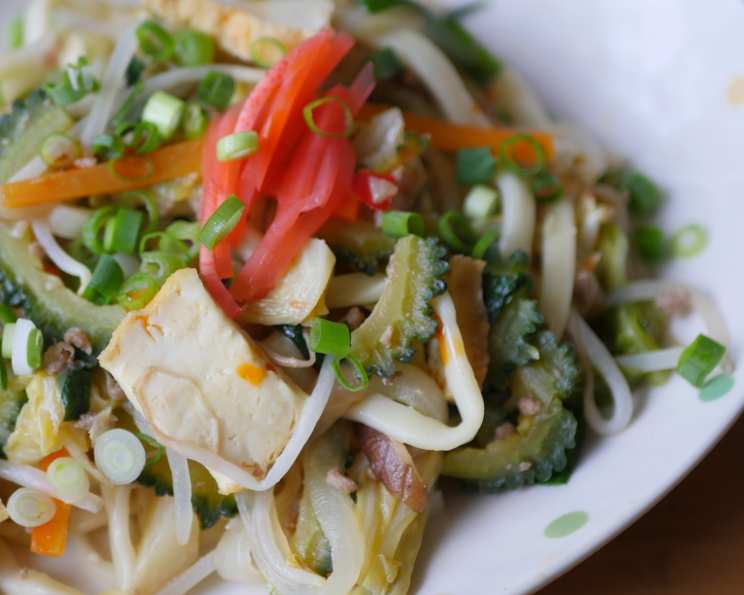
Okinawa Stir-Fried Soba Noodles (Yakisoba)
There’s a certain comfort that washes over me whenever I smell the savory, slightly sweet aroma of yakisoba wafting from a hot pan. It’s a dish that instantly transports me back to bustling market stalls in Okinawa, where the vibrant energy was as palpable as the delicious food. I remember one particularly memorable evening, under a sky dotted with stars, sharing a steaming plate of this very stir-fry with friends, the noodles glistening, the vegetables tender-crisp, and the promise of a good time lingering in the air. It’s more than just a meal; it’s a taste of home, a memory made tangible through simple, honest ingredients.
Recipe Overview
- Prep Time: 35 minutes
- Cook Time: 10 minutes
- Total Time: 45 minutes
- Servings: 2-3
- Yield: 1 main dish
- Dietary Type: Adaptable (can be made vegetarian)
Ingredients
This recipe celebrates the beauty of using what you have on hand, but here are the core components for an authentic Okinawan experience:
- 1/3 piece bitter melon
- 1 teaspoon salt (for soaking bitter melon)
- 100 g cabbage
- 1/2 piece onion
- 1/3 piece carrot
- 2 pieces dried shiitake mushrooms, hydrated
- 100 g bean sprouts
- 50 g garlic chives
- 100 g deep-fried tofu (atsuage)
- 1 tablespoon vegetable oil
- 100 g miso pork (or other pre-cooked pork)
- 1/4 teaspoon pepper
- 1/4 teaspoon salt (for seasoning)
- 2 tablespoons awamori (Japanese spirit; substitute with sake or water if unavailable)
- 200 g Okinawa soba noodles (wheat noodles; regular fresh or pre-cooked ramen noodles can also be used)
- 5 g red pickled ginger (beni shoga), for garnish
- 10 g chopped green onions, for garnish
- Chili oil (layu), optional, for drizzling
Equipment Needed
- Large frying pan or wok
- Sharp knife
- Cutting board
- Bowl (for soaking)
- Strainer
Instructions
Crafting this delicious stir-fry is a straightforward process that rewards you with incredible flavor and texture. Follow these steps closely:
-
Prepare the Bitter Melon: Begin by preparing the bitter melon. Slice it lengthwise, then carefully scoop out and discard the seeds. Next, thinly slice the melon. To reduce its inherent bitterness, place the sliced bitter melon in a bowl and soak it in water with 1 teaspoon of salt for approximately 30 minutes. After soaking, drain the bitter melon thoroughly before use.
-
Chop the Vegetables: While the bitter melon is soaking, prepare the other vegetables. Cut the cabbage into large, bite-sized pieces. Thinly slice the onion. For the carrot, slice it into flat, thin strips.
-
Hydrate and Prepare Shiitake Mushrooms: If using dried shiitake mushrooms, soak them in warm water for about 20 minutes until they are fully rehydrated. Once softened, gently squeeze out the excess water. Remove and discard the tough stems, then slice the mushroom caps into thin strips. If you have fresh shiitake mushrooms, you can skip the soaking step and simply slice them.
-
Prepare the Tofu and Aromatics: Cut the garlic chives into roughly 5-centimeter (about 2-inch) pieces. Chop the green onions for garnish. Slice the deep-fried tofu (atsuage) into small, bite-sized pieces.
-
Cook the Pork: Heat a large frying pan or wok over medium heat. Add the vegetable oil. Add the miso pork and stir-fry it quickly. Since miso pork is typically pre-cooked, a brief stir-fry is all that’s needed to heat it through. If you are using regular pork slices, ensure they are cooked thoroughly before proceeding to add other ingredients.
-
Sauté the Heartier Vegetables: Add the cabbage to the pan and stir-fry until it begins to soften, about 2-3 minutes.
-
Incorporate Remaining Vegetables: Next, add the prepared bitter melon, onion, carrot, and shiitake mushrooms to the pan. Continue to stir-fry until the vegetables are tender-crisp and the bitter melon is cooked through.
-
Season the Stir-Fry: Season the mixture with 1/4 teaspoon of salt and 1/4 teaspoon of pepper. Pour in the awamori (or your chosen substitute) and mix everything well. At this stage, you can taste and add more salt if needed to adjust the seasoning to your preference.
-
Add Tofu and Bean Sprouts: Now, add the bean sprouts, deep-fried tofu (atsuage), and garlic chives to the pan. Stir-fry for another 1-2 minutes, just until the bean sprouts are slightly wilted and everything is heated through.
-
Combine with Noodles: Add the Okinawa soba noodles to the pan with the stir-fried ingredients. Gently toss and mix everything together until the noodles are well-coated with the sauce and all the ingredients are evenly distributed. Ensure the noodles are heated through.
-
Serve: Transfer the yakisoba to serving plates. Garnish generously with the chopped green onions and red pickled ginger. For an extra touch of heat and flavor, drizzle with chili oil (layu) if desired.
Expert Tips & Tricks
- Bitter Melon Prep is Key: Don’t skip the salting and soaking step for the bitter melon. It’s crucial for taming its assertive bitterness and making it palatable for a wider audience. Squeeze it out very well after soaking to prevent excess water from diluting the stir-fry.
- Noodle Choice Matters: While authentic Okinawa soba noodles have a unique chewy texture, don’t despair if you can’t find them. Fresh ramen noodles or even pre-cooked udon noodles can work well in a pinch. The key is to ensure they are cooked to your liking and not overcooked, which can make them mushy in the stir-fry.
- High Heat, Quick Cook: For that classic stir-fry texture, ensure your pan or wok is hot before adding ingredients. This helps to sear the vegetables quickly, keeping them crisp-tender rather than steaming them into submission. Work in batches if your pan is too crowded, as overcrowding can lower the temperature and lead to soggy results.
- Awamori’s Role: Awamori adds a subtle depth and unique aroma to the dish. If you don’t have it, sake is a good substitute, or even a splash of water with a tiny pinch of sugar can help deglaze the pan and add moisture.
- Customization is Encouraged: This dish is wonderfully forgiving. Feel free to add other vegetables you have on hand, such as bell peppers, broccoli, or mushrooms. Pre-cooked protein like chicken or shrimp can also be easily incorporated.
Serving & Storage Suggestions
Okinawa Stir-Fried Soba Noodles are best served immediately while piping hot, allowing the aromas to be at their most vibrant. The garnish of red pickled ginger provides a tangy contrast, while the green onions add a fresh, sharp bite. A drizzle of chili oil offers a welcome kick of heat for those who enjoy it.
Leftovers can be stored in an airtight container in the refrigerator for up to 2 days. Reheating is best done gently in a frying pan or wok over medium-low heat with a splash of water or a little oil to prevent drying out. Microwaving is also an option, though the texture might not be quite as appealing as when freshly stir-fried. Avoid freezing, as the noodles and vegetables may become mushy upon thawing.
Nutritional Information
Here’s an approximate nutritional breakdown for a serving of this Okinawan delight:
| Nutrient | Amount per Serving | % Daily Value |
|---|---|---|
| Calories | 558.8 kcal | – |
| Calories from Fat | – | 23% |
| Total Fat | 14.1 g | 21% |
| Saturated Fat | 2.9 g | 14% |
| Cholesterol | 42 mg | 14% |
| Sodium | 2290.3 mg | 95% |
| Total Carbohydrate | 82.4 g | 27% |
| Dietary Fiber | 2.5 g | 10% |
| Sugars | 4.3 g | 17% |
| Protein | 33.8 g | 67% |
Note: Nutritional values are estimates and can vary based on specific ingredients and portion sizes used.
Variations & Substitutions
This recipe is a fantastic canvas for creativity. If you find miso pork unavailable, regular thinly sliced pork belly or shoulder, sautéed until cooked through, works wonderfully. For a vegetarian or vegan option, omit the pork entirely and consider adding extra tofu, tempeh, or even a medley of mushrooms for added umami and protein. If you’re looking for a different noodle base, thick udon noodles or even angel hair pasta can be used, though they will alter the traditional texture and taste profile.
FAQs
Q: How can I make this dish less bitter if I’m sensitive to bitter melon?
A: The soaking method in salted water is very effective. You can also try soaking it for a longer duration, or even blanching it briefly in boiling water before adding it to the stir-fry.
Q: What kind of pork is traditionally used in Okinawan yakisoba?
A: While this recipe uses miso pork, thinly sliced pork belly or shoulder is also very common, providing a rich, savory element.
Q: Can I use other types of noodles for this recipe?
A: Absolutely! Fresh ramen noodles are a great substitute, and even pre-cooked udon noodles can be used. The key is to choose noodles that hold up well to stir-frying.
Q: Is it okay to add other vegetables not listed in the recipe?
A: Yes, this is a very adaptable dish. Feel free to add vegetables like bell peppers, snow peas, or even corn for extra color and flavor.
Q: What is Awamori, and is it essential?
A: Awamori is a distilled alcoholic beverage indigenous to Okinawa. It adds a unique aroma and helps to deglaze the pan. While it enhances the dish, it’s not strictly essential, and sake or even a splash of water can be used as a substitute.
Final Thoughts
This Okinawa Stir-Fried Soba Noodle dish is a testament to the power of simple ingredients coming together in perfect harmony. It’s a comforting, flavorful, and satisfying meal that’s as enjoyable to make as it is to eat. Don’t hesitate to experiment with the vegetables and proteins to make it your own. I encourage you to gather your loved ones, crank up the heat, and let the wonderful aromas of this Okinawan classic fill your kitchen. Serve it with a refreshing glass of green tea or a crisp local beer for a truly authentic experience. I’d love to hear about your culinary adventures with this recipe!