
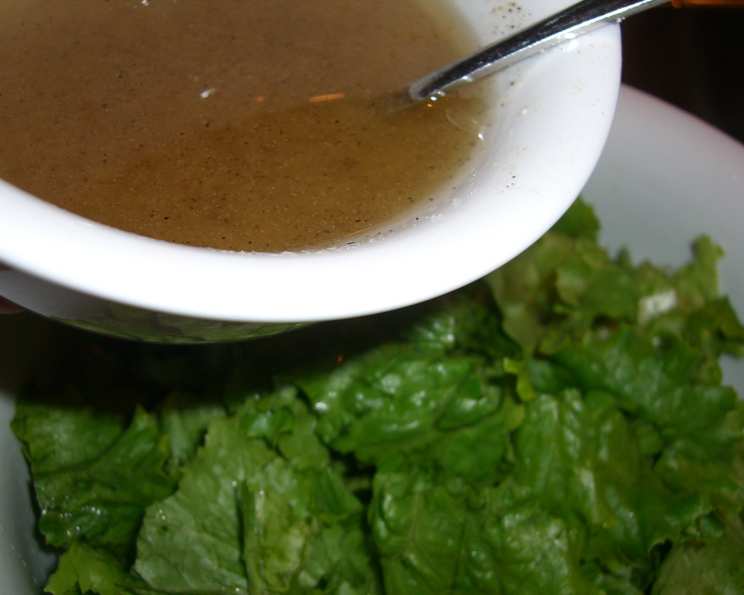
The Quintessential Oil and Vinegar Salad Dressing: A Culinary Foundation
There are moments in a chef’s life that imprint themselves upon your culinary soul, and for me, one of those moments involved a deceptively simple bowl of greens. It was a sweltering summer afternoon at my grandmother’s farm, and after a long morning helping her in the garden, she presented me with a salad. It wasn’t elaborate – just freshly picked lettuce, a few ripe tomatoes, and some crisp cucumbers. But the dressing… oh, the dressing. It was an epiphany. A perfect balance of bright acidity and rich olive oil, kissed with just a whisper of seasoning. It proved, in that moment, that true culinary magic often lies in the most fundamental preparations, a lesson that has guided my cooking ever since. This, my friends, is that foundational dressing.
Recipe Overview
- Prep Time: 5 minutes
- Cook Time: 0 minutes
- Total Time: 5 minutes
- Servings: 6
- Yield: 1 cup
- Dietary Type: Vegan, Gluten-Free, Dairy-Free
Ingredients
The beauty of this dressing lies in its minimalist elegance. Each ingredient plays a crucial role, and the quality of your olive oil will truly shine through.
- 3/4 cup olive oil (a good quality extra virgin olive oil is highly recommended for its flavor)
- 5 tablespoons white wine vinegar
- 1/2 teaspoon dry mustard
- 1/2 teaspoon sugar
- 1/2 teaspoon salt
- 1/2 teaspoon pepper
Equipment Needed
For this straightforward preparation, you won’t need much.
- A jar with a tight-fitting lid for shaking, or a small bowl and a whisk for emulsifying.
Instructions
Creating this classic oil and vinegar dressing is a testament to how simple ingredients can yield extraordinary results. There are two primary methods, both equally effective.
-
The Jar Method (My Preferred for Simplicity and Storage):
Gather your ingredients. Add the white wine vinegar, dry mustard, sugar, salt, and pepper to your jar. Now, pour in the olive oil. Secure the lid tightly. Shake vigorously for about 30 seconds, or until the dressing appears well combined and slightly emulsified. The mustard acts as a natural emulsifier, helping to bind the oil and vinegar together. -
The Whisk Method (For a More Controlled Emulsion):
In a small bowl, combine the white wine vinegar, dry mustard, sugar, salt, and pepper. Whisk these ingredients together until the sugar and salt have dissolved. While continuously whisking, slowly drizzle in the olive oil in a thin, steady stream. Continue whisking until the dressing is emulsified and has a slightly thickened consistency. This method requires a bit more patience but can result in a beautifully creamy emulsion.
Once your dressing is prepared, give it a final taste. Adjust seasoning if necessary – a pinch more salt, a grind of pepper, or even a touch more vinegar for added tang.
Expert Tips & Tricks
While this dressing is inherently simple, a few professional insights can elevate it even further.
- Quality Matters: The flavor of your olive oil will be a prominent note in this dressing. Opt for a good extra virgin olive oil with a flavor profile you enjoy. A peppery, robust oil will create a more assertive dressing, while a milder one will be more subtle.
- The Power of Mustard: Dry mustard isn’t just for flavor; it’s a crucial emulsifier. It helps to bind the oil and vinegar, preventing them from separating too quickly. If you don’t have dry mustard, a small amount of Dijon mustard can be substituted, but be mindful of its stronger flavor.
- Temperature is Key: For the best emulsification, ensure your olive oil and vinegar are at room temperature. Cold liquids don’t bind as readily.
- Mastering the Emulsion: If you opt for the whisk method and find your dressing is separating, don’t despair! You can often bring it back together. Start with a fresh tablespoon of vinegar in a clean bowl and slowly whisk in the separated dressing, just as you would the olive oil.
- Make-Ahead Magic: This dressing is a fantastic candidate for making ahead. It will keep beautifully in the refrigerator for up to a week. Remember to shake or whisk it again before each use, as natural separation will occur.
Serving & Storage Suggestions
This versatile dressing is your go-to for countless culinary applications.
- On Salads: Drizzle generously over any green salad. It’s particularly wonderful with crisp lettuces, tomatoes, cucumbers, and thinly sliced red onions. It also pairs beautifully with roasted vegetables.
- As a Marinade: The acidity in the vinegar, combined with the oil, makes this an excellent marinade for chicken, fish, or pork. Marinate for at least 30 minutes, or up to a few hours for deeper flavor.
- Storage: Store the dressing in an airtight container in the refrigerator. It will typically last for up to 1 week. Before serving, allow it to come to room temperature slightly and shake or whisk thoroughly to recombine the ingredients.
Nutritional Information
This information is an estimate and will vary based on the specific brands and types of ingredients used, particularly the olive oil.
| Nutrient | Amount per Serving (approx. 2.5 tbsp) | % Daily Value |
|---|---|---|
| Calories | 290 kcal | 14% |
| Total Fat | 32 g | 41% |
| Saturated Fat | 4.5 g | 23% |
| Cholesterol | 0 mg | 0% |
| Sodium | 280 mg | 12% |
| Total Carbohydrate | 1 g | 0% |
| Dietary Fiber | 0 g | 0% |
| Sugars | 1 g | 2% |
| Protein | 0 g | 0% |
Note: Percent Daily Values are based on a 2,000 calorie diet.
Variations & Substitutions
While the classic is perfect as is, feel free to experiment and make this dressing your own.
- Vinegar Swaps: Experiment with different vinegars! Red wine vinegar offers a robust flavor, balsamic vinegar adds sweetness and depth (use a bit less as it’s more potent), and lemon juice can provide a bright, citrusy alternative for an oil and lemon dressing.
- Herbaceous Infusions: Add fresh chopped herbs like parsley, chives, or dill for an extra layer of flavor. Dried herbs like oregano or thyme also work beautifully.
- A Touch of Garlic: For a more pungent dressing, add a minced clove of garlic to the jar or bowl.
- Spicy Kick: A pinch of red pepper flakes can add a gentle warmth to the dressing.
FAQs
Q: Why does my oil and vinegar dressing separate?
A: Oil and vinegar are naturally immiscible, meaning they don’t readily mix. The dry mustard acts as an emulsifier to help them stay together, but some separation is normal over time. A good shake or whisk before serving will usually resolve this.
Q: Can I use a different type of oil?
A: Yes, you can experiment with other oils like avocado oil or grapeseed oil, which have neutral flavors. However, for the classic taste, extra virgin olive oil is highly recommended.
Q: How long can I store this dressing?
A: This dressing will keep well in an airtight container in the refrigerator for up to 1 week.
Q: Can I make this dressing without mustard?
A: While mustard is ideal for emulsification, you can try omitting it, but the dressing will separate more quickly. You could also try a very small amount of Dijon mustard if you have it on hand.
Q: What’s the best way to emulsify this dressing?
A: The jar method with vigorous shaking is incredibly effective and simple. Alternatively, slowly drizzling the oil into the vinegar while whisking constantly will create a more stable emulsion.
Final Thoughts
This oil and vinegar dressing is more than just a condiment; it’s a cornerstone of good cooking. It’s a reminder that culinary excellence doesn’t require a pantry full of exotic ingredients or hours of labor. It’s about understanding fundamental techniques and respecting the ingredients you have. So, the next time you’re looking to elevate a simple salad or add a bright note to your meal, reach for this timeless dressing. It’s a small effort for a truly rewarding result, and I encourage you to share your creations and variations with fellow food enthusiasts. Happy dressing!