
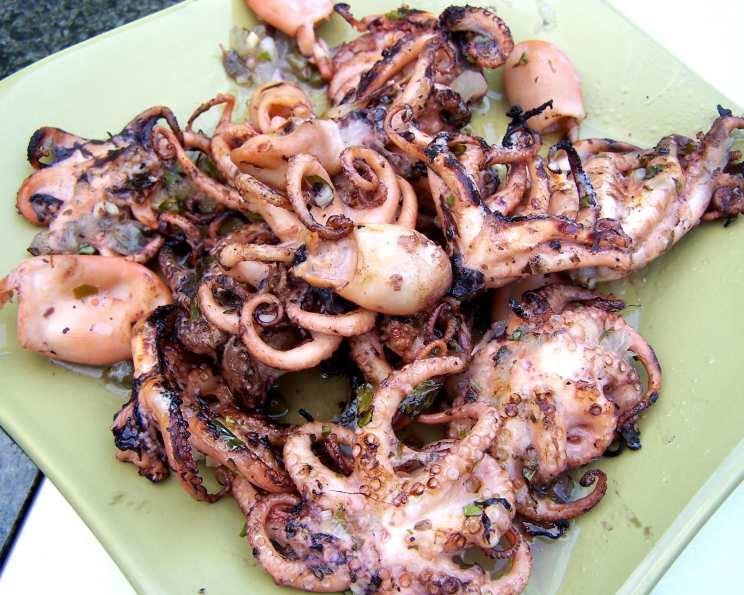
The Art of Perfectly Tender Grilled Octopus
There’s a certain magic that happens when octopus meets a scorching hot grill. I remember my first encounter with truly tender grilled octopus, not the chewy, rubbery ordeal that can sometimes be the unfortunate reality. It was at a small taverna on a Greek island, the salty air mingling with the smoky aroma. Each bite was a revelation – succulent, yielding, with a delightful char that spoke of fire and expertise. It’s a dish that, when done right, transports you. This recipe has been refined over years in professional kitchens and countless backyard gatherings, always aiming for that perfect balance of oceanic sweetness and smoky char, ensuring every tentacle is a testament to tenderness.
Recipe Overview
- Prep Time: 60 minutes (plus overnight marination)
- Cook Time: Approx. 1 hour 45 minutes (boiling) + 6-8 minutes (grilling)
- Total Time: Approx. 2 hours 45 minutes (plus overnight marination)
- Servings: 6
- Yield: Serves 6 as an appetizer or part of a meze platter
- Dietary Type: Gluten-Free, Dairy-Free
Ingredients
For the Octopus Braise:
- 12-16 baby octopus (fresh or frozen, defrosted. If not cleaned, see notes below)
- 1 onion, chopped
- 1 small carrot, chopped
- ½ bulb of garlic (cut crosswise in ½)
- 2 bay leaves
- 2 teaspoons dried oregano
- 1 teaspoon dried parsley
- 1 cup red wine vinegar
- 1 cup water
- ½ teaspoon peppercorns
For the Vinaigrette:
- ½ bulb of garlic, minced
- ½ cup white balsamic vinegar
- Hot pepper sauce, to taste
- 1 small onion, minced
- 1 tablespoon capers, rinsed and drained
- 1 tablespoon fresh parsley, minced
- ⅓ cup olive oil
- 1 tablespoon fresh lemon juice
- Salt and pepper to taste
Notes on Picking and Cleaning Fresh Octopus:
Fresh octopus should feel firm and flexible, with non-slippery suckers. Look for well-shaped bodies and suckers. Avoid anything with a strong, fishy odor. If your octopus hasn’t been cleaned:
- Under running water, carefully remove and discard the ink sac, stomach, and eyes from the large head cavity.
- Remove the beak, located at the bottom of the head where it joins the tentacles, using a sharp knife.
Equipment Needed
- Large, heavy-bottomed pot or Dutch oven
- Tongs
- Sharp knife
- Cutting board
- Small saucepan
- Whisk
- Large bowl
- Grill (charcoal or gas)
- Grill brush
Instructions
The journey to perfectly tender grilled octopus begins long before it hits the grill. It’s a two-stage process of gentle cooking followed by a vibrant marinade, culminating in a quick, high-heat char.
Part 1: The Tenderizing Braise
- Initial Sear: Heat a large, dry pot over medium-high heat. Once hot, add the baby octopus. Allow them to flash sear for about 1 minute, turning them with tongs. This step helps to release their natural juices, adding depth to the cooking liquid.
- Simmering the Octopus: Cover the pot with a lid and reduce the heat to a simmer. Let the octopus cook gently for about 45 minutes.
- Adding Aromatics and Liquid: After 45 minutes, add the chopped onion, chopped carrot, bay leaves, garlic bulb halves, red wine vinegar, water, dried oregano, dried parsley, and peppercorns to the pot.
- Submerging the Octopus: Place a weight on top of the octopus, if necessary, to ensure they stay fully immersed in the liquid. This is crucial for even cooking and tenderness.
- Bringing to a Boil and Gentle Simmer: Bring the liquid to a boil over medium-high heat. Once boiling, lower the heat to a gentle simmer.
- Extended Simmering for Tenderness: Continue to simmer gently until the octopus is tender. This can take anywhere from 45 minutes to 1 hour. The best way to check for tenderness is to pierce a thick part of a tentacle with the tip of a sharp knife; it should slide in with very little resistance.
- Cooling and Cleaning: Once tender, carefully drain the octopus, discarding the cooking liquid. Allow the octopus to cool to room temperature. As it cools, you might notice a dark reddish membrane on the legs. You can gently swish the octopus legs around with tongs to help loosen and remove these membranes if desired. This is an optional step but can improve texture.
Part 2: Crafting the Vibrant Vinaigrette and Marinating
- Creating the Reduction: In a small saucepan, combine the minced garlic, white balsamic vinegar, and hot pepper sauce (add to your preferred level of heat). Place over medium-high heat and bring to a boil.
- Reducing the Liquid: Once boiling, lower the heat and simmer until the mixture is reduced by half. This typically takes about 5 minutes.
- Cooling the Reduction: Remove the saucepan from the heat and allow the vinegar mixture to cool completely.
- Assembling the Vinaigrette: In a large bowl, combine the cooled vinegar mixture, rinsed and drained capers, and minced fresh parsley. Whisk in the olive oil until the vinaigrette is well incorporated.
- Seasoning the Vinaigrette: Taste the vinaigrette and adjust the seasoning with fresh lemon juice, salt, and pepper as needed.
- Reserving Vinaigrette: Remove approximately ⅓ of the vinaigrette from the bowl and reserve it for serving after grilling.
- Marinating the Octopus: Add the cooled octopus to the remaining vinaigrette in the large bowl. Toss gently to ensure each piece is well coated. Cover the bowl and marinate in the refrigerator overnight. This overnight marination is key to infusing the octopus with flavor and ensuring it stays moist.
Part 3: The Grand Finale – Grilling
- Preheating the Grill: When you’re ready to grill, preheat your grill on high heat. You want the grill to be very hot to achieve a good sear and char quickly.
- Grilling the Octopus: Carefully place the marinated octopus tentacles onto the hot grill grates. Grill for about 3 to 4 minutes on each side. Watch closely to prevent burning; the goal is to get beautiful grill marks and a slight char without overcooking.
- Serving: Arrange the grilled octopus on a platter. Serve immediately with the reserved vinaigrette. Pour the reserved vinaigrette over the octopus just before presenting.
Expert Tips & Tricks
- Don’t Rush the Braise: The initial braising step is non-negotiable for achieving tenderness. If you’re short on time, you can braise the octopus a day in advance and then proceed with marinating and grilling the next day.
- The Power of Weight: Using a weight during the braise ensures all parts of the octopus are submerged and cook evenly, preventing any one section from becoming tough.
- Grill Temperature is Key: A screaming hot grill is essential for a quick char and to prevent the octopus from sticking. If your grill isn’t hot enough, you risk steaming the octopus rather than grilling it.
- Watch for Flare-Ups: Octopus can release moisture and oils, so be prepared for potential flare-ups on the grill. Move the octopus to a cooler part of the grill if necessary.
- A Touch of Smoke: For an added layer of flavor, consider using wood chips on your charcoal grill, or adding a smoker box to a gas grill.
Serving & Storage Suggestions
Grilled octopus is best served immediately after grilling, when it’s warm and the char is at its peak. It makes a stunning appetizer, a star component of a Greek meze platter, or can be served alongside a vibrant Mediterranean salad.
Storage:
Leftover grilled octopus can be stored in an airtight container in the refrigerator for up to 2 days. It’s best enjoyed cold or gently reheated. To reheat, you can briefly pan-sear it or toss it in a warm oven (around 300°F / 150°C) for a few minutes, being careful not to overcook it, which would lead to toughness. It does not freeze well.
Nutritional Information
Here’s an estimated breakdown of the nutritional content for a serving of this grilled octopus. Please note that these values are approximate and can vary based on the exact size of the octopus and the specific ingredients used.
| Nutrient | Amount per Serving | % Daily Value |
|---|---|---|
| Calories | 139.3 kcal | |
| Calories from Fat | ||
| Total Fat | 12.1 g | 18% |
| Saturated Fat | 1.7 g | 8% |
| Cholesterol | 0 mg | 0% |
| Sodium | 55.8 mg | 2% |
| Total Carbohydrate | 6.1 g | 2% |
| Dietary Fiber | 1.1 g | 4% |
| Sugars | 1.8 g | 7% |
| Protein | 0.9 g | 1% |
Variations & Substitutions
- Spicy Kick: For an even spicier vinaigrette, increase the amount of hot pepper sauce or add a pinch of red pepper flakes to the reduction.
- Herb Garden: Feel free to experiment with other fresh herbs in the vinaigrette, such as dill or chives, for a different flavor profile.
- Vinegar Swap: While white balsamic offers a subtle sweetness, you could experiment with a good quality sherry vinegar or even a champagne vinegar for a brighter acidity.
- Vegetable Additions: If serving as a salad, consider tossing the cooled, braised octopus with blanched green beans, halved cherry tomatoes, or thinly sliced red onions along with the reserved vinaigrette.
FAQs
Q: Why is octopus sometimes tough, and how does this recipe prevent that?
A: Octopus can be tough if overcooked or cooked too quickly. This recipe employs a long, slow braising process to break down the connective tissues, making it incredibly tender before it even hits the grill.
Q: Can I use frozen octopus?
A: Yes, absolutely! Frozen octopus, when properly thawed, works just as well. Thaw it completely in the refrigerator before proceeding with the recipe.
Q: How do I know when the octopus is truly tender after braising?
A: The best test is to pierce a thick part of a tentacle with the tip of a sharp knife. It should slide in with very little resistance, similar to how a cooked potato would feel.
Q: Can I grill the octopus ahead of time?
A: While it’s best served fresh off the grill, you can grill the octopus a few hours in advance. Store it at room temperature for a short period or refrigerate if longer. Reheat gently to avoid overcooking.
Q: What if I don’t have a grill? Can I still make this recipe?
A: You can achieve a similar char and flavor using a cast-iron grill pan on the stovetop or by broiling the octopus under a hot broiler. Keep a close eye on it to prevent burning.
Final Thoughts
This grilled octopus recipe is more than just a set of instructions; it’s an invitation to explore the exquisite textures and flavors of the sea, enhanced by the primal kiss of fire. It’s a dish that rewards patience and attention, yielding a result that is both sophisticated and utterly delicious. Serve it with a crisp white wine, perhaps a dry Assyrtiko from Greece, and let the flavors transport you. I encourage you to try this method, embrace the process, and savor every perfectly tender bite. I’d love to hear about your experiences and any creative twists you might add to this cherished recipe.