
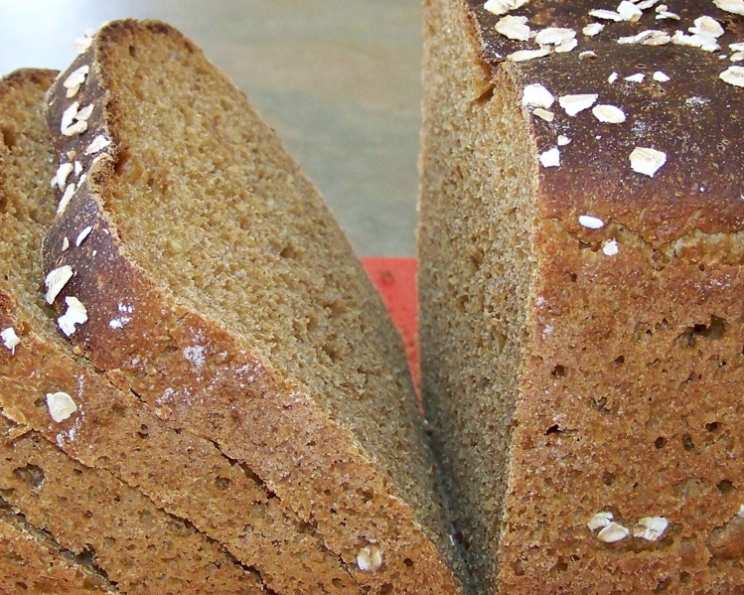
The Comfort of Spelt and Oats: A Hearty Oatmeal Spelt Brown Bread Recipe
There’s a particular kind of magic that happens when humble ingredients transform into something truly spectacular, and for me, that magic is often found in the heart of a good loaf of bread. I remember, years ago, being gifted a bread machine by a well-meaning aunt. While I’m usually one to get my hands right into the dough, the convenience was undeniable. My first experiment with it yielded this Oatmeal Spelt Brown Bread. The aroma that filled my kitchen was deep and comforting, a stark contrast to the sterile whirring of the machine. Each slice, warm and substantial, tasted of wholesome goodness, a perfect companion to a smear of butter or a dollop of jam. It’s a recipe that has since become a staple, proving that even with a little mechanical assistance, the soul of homemade bread shines through.
Recipe Overview
- Prep Time: 2 hours (Includes bread machine time)
- Cook Time: 20-30 minutes (for final bake)
- Total Time: Approximately 2 hours and 30 minutes
- Servings: 14
- Yields: 1 loaf
- Dietary Type: Vegetarian
Ingredients
This recipe calls for a blend of whole grains and a touch of natural sweetness to create a bread that’s both nutritious and delicious.
- Quick oats: 1/2 cup
- Boiling water: 1 cup
- Butter: 2 tablespoons
- Warm water: 1/4 cup
- Salt: 1 teaspoon
- Molasses: 1/2 cup
- Whole spelt flour: 2 cups
- Light spelt flour: 2 cups
- Instant yeast (or bread machine yeast): 2 1/2 teaspoons
Equipment Needed
You won’t need a vast arsenal for this recipe, but a few key items will ensure success:
- Medium-sized bowl
- Bread machine (for dough cycle)
- Greased loaf pan
- Measuring cups and spoons
- Baking sheet (optional, for placing loaf pan)
- Wire cooling rack
Instructions
This recipe is designed to be straightforward, with the bread machine handling the heavy lifting of kneading and initial proving.
- In a medium-sized bowl, combine the quick oats and the boiling water. Stir them together and then allow the mixture to cool until it reaches a lukewarm temperature. This step helps to soften the oats and prepare them for incorporation into the dough.
- Once the oat mixture has cooled, add the butter, warm water, salt, and molasses. Stir everything together until well combined.
- Pour this liquid mixture into the bread bucket of your bread machine.
- Next, add both the whole spelt flour and the light spelt flour on top of the wet ingredients.
- Finally, sprinkle the instant yeast (or bread machine yeast) over the flour. Ensure the yeast is on top and not in direct contact with the liquid ingredients just yet, as this is crucial for its activation.
- Start your bread machine on the dough cycle. If your machine has a specific “whole grain” cycle, you can use that, and in that case, you can disregard step 4 (adding yeast separately on top of flour). The dough cycle will mix, knead, and allow the dough to rise once within the machine.
- When the dough cycle ends, carefully remove the dough from the bread bucket and place it onto a lightly floured board.
- Knead the dough several times on the floured surface. This briefly develops the gluten further, ensuring a good texture.
- Shape the kneaded dough into a loaf and place it into a greased loaf pan.
- Cover the loaf pan loosely and let the dough rise in a warm place until it has doubled in size. This final rise is crucial for a light and airy crumb.
- Preheat your oven to 375°F (190°C).
- Bake the loaf in the preheated oven for 20 to 30 minutes, or until the crust is golden brown and the loaf sounds hollow when tapped on the bottom.
- Once baked, remove the bread from the loaf pan and place it on a wire cooling rack to cool completely before slicing. This allows the steam to escape and the crust to crisp up.
Expert Tips & Tricks
- Oat Soak Matters: Don’t rush the cooling of the oats. If they are too hot, they can kill the yeast. If they are too cold, they might not integrate as smoothly. Lukewarm is your goal – comfortable to the touch.
- Flour Power: Spelt flour can be a bit different from all-purpose wheat flour. It tends to absorb liquid slightly differently. If your dough feels unusually sticky after the dough cycle, you can add a tablespoon of flour at a time when kneading on the board, but be cautious not to add too much, which can lead to a dense loaf.
- The Warm Place: For the final rise, a slightly warm oven (turned off, with the light on) or a spot near a gentle heat source is ideal. Avoid drafts, which can dry out the dough’s surface.
- Crust Control: For a softer crust, you can tent the loaf with foil during the last 5-10 minutes of baking. For a crisper crust, ensure adequate air circulation around the loaf on the cooling rack.
- Checking for Doneness: Beyond the visual cue of a golden-brown crust, the best way to check if your bread is fully baked is to tap the bottom. It should sound hollow. An instant-read thermometer inserted into the center of the loaf should register between 190°F and 200°F (88°C to 93°C).
Serving & Storage Suggestions
This Oatmeal Spelt Brown Bread is incredibly versatile. Serve it warm, fresh from the oven, with a generous spread of good quality butter. It also pairs wonderfully with:
- Sweet accompaniments: Honey, preserves, marmalade, or a drizzle of maple syrup.
- Savory pairings: Cream cheese, avocado, or alongside soups and stews. It makes for a fantastic base for open-faced sandwiches.
For storage:
- Room Temperature: Once completely cooled, store the bread in a bread box or a loosely tied plastic bag at room temperature for up to 3 days.
- Refrigeration: For longer storage, you can refrigerate the bread. It will keep for about 5-7 days, though the crust may soften.
- Freezing: This bread freezes beautifully. Once cooled, wrap it tightly in plastic wrap, then in foil or a freezer bag. It can be frozen for up to 3 months. Thaw at room temperature or toast slices directly from frozen.
To reheat previously baked bread: a few minutes in a toaster oven or a warm oven (around 300°F / 150°C) can revive its freshness and crisp up the crust.
Nutritional Information
Please note that these values are approximate and can vary based on specific ingredients used.
| Nutrient | Amount per Serving | % Daily Value |
|---|---|---|
| Calories | 62.7 kcal | |
| Calories from Fat | ||
| Total Fat | 1.9 g | 2% |
| Saturated Fat | 1.1 g | 5% |
| Cholesterol | 4.4 mg | 1% |
| Sodium | 183.1 mg | 7% |
| Total Carbohydrate | 11.2 g | 3% |
| Dietary Fiber | 0.4 g | 1% |
| Sugars | 6.7 g | 26% |
| Protein | 0.8 g | 1% |
Variations & Substitutions
While this recipe is fantastic as is, here are a few ideas for customization:
- Seed it Up: Add a few tablespoons of sesame seeds, poppy seeds, or sunflower seeds to the dry ingredients for added texture and nutty flavor.
- Spice it Right: A pinch of cinnamon or nutmeg can add a warm, comforting aroma and taste, especially lovely for fall or winter baking.
- Different Sweeteners: If you don’t have molasses, you could experiment with dark brown sugar or maple syrup, though the flavor profile will change slightly. Use approximately the same volume.
- Flour Play: While spelt is the star here, you could potentially substitute a portion of the light spelt flour with whole wheat flour or even a bit of rye flour for a deeper flavor, but this may require adjustments to the liquid.
FAQs
Q: Can I make this bread without a bread machine?
A: Absolutely! You can follow the initial mixing steps (combining wet ingredients, then dry), then knead the dough by hand or with a stand mixer. Allow it to rise in a warm place until doubled, punch it down, shape it into a loaf pan, and let it rise again before baking at 375°F (190°C) for 20-30 minutes.
Q: Why is my bread dense?
A: Density can be caused by a few factors: not allowing enough rise time, adding too much flour, or overworking the dough. Ensure you’re using the correct flour measurements and giving the dough ample time in a warm environment to double in size.
Q: How do I store this bread to keep it fresh?
A: For best results, store cooled bread in a bread box or a loosely tied bag at room temperature. For longer storage, freezing is an excellent option.
Q: What does “spelt flour” mean?
A: Spelt is an ancient grain, a type of wheat that has a nutty, slightly sweet flavor. Whole spelt flour includes the bran and germ, offering more fiber and nutrients. Light spelt flour is often refined to remove some of these components, resulting in a lighter texture.
Q: Can I use active dry yeast instead of instant yeast?
A: If using active dry yeast, you’ll need to “proof” it first. Dissolve it in the 1/4 cup warm water with a pinch of sugar and let it sit for 5-10 minutes until foamy before adding it to the wet ingredients. Instant yeast can be added directly to the dry ingredients.
A Loaf of Comfort
There’s a profound satisfaction in pulling a beautifully risen, golden loaf of bread from the oven, and this Oatmeal Spelt Brown Bread delivers that in spades. It’s a testament to the power of simple, wholesome ingredients, and a reminder that even the busiest among us can create something truly nourishing and delicious. Whether you’re enjoying it toasted with your morning coffee or as a hearty accompaniment to dinner, I hope this bread brings as much comfort and joy to your table as it does to mine. Share a slice, share a story, and savor the simple goodness.