
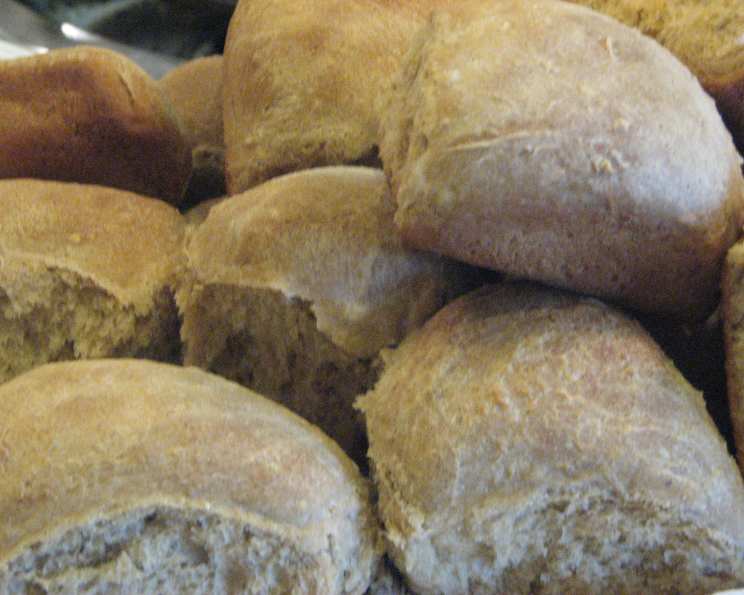
Oatmeal Sourdough Bread for Bread Machine
There’s something uniquely comforting about the aroma of freshly baked bread wafting from the kitchen, a scent that instantly transports me back to my grandmother’s sun-drenched kitchen. She wasn’t a professional baker, but her sourdough was legendary, a testament to patience and the magic of fermentation. When I started experimenting with simplifying that beloved process for the modern kitchen, specifically the convenience of a bread machine, I knew I wanted to add a touch of wholesome goodness. The idea of incorporating oatmeal wasn’t just about boosting fiber; it was about adding a subtle nutty depth and a wonderfully tender crumb, reminiscent of the hearty breakfast traditions I grew up with, all while keeping that signature sourdough tang.
Recipe Overview
- Prep Time: 15 minutes
- Cook Time: 40 minutes (for baking after dough cycle)
- Total Time: Approximately 3 hours 10 minutes (includes dough cycle and rising time)
- Servings: 6-8
- Yield: 1 loaf
- Dietary Type: Vegetarian (can be made vegan with plant-based milk)
Ingredients
This recipe is designed to harness the ease of a bread machine while still delivering the complex flavor of sourdough. The key is to allow the machine to do the heavy lifting of kneading and initial rising, then give it a final, crucial rise and bake outside the machine for that perfect crust.
- 1 ½ cups sourdough starter (active and bubbly)
- 2 tablespoons milk (or 2 tablespoons buttermilk for added tang)
- 1 tablespoon honey (or 1 tablespoon real maple syrup for a vegan option)
- 1 tablespoon olive oil
- 1 ½ cups bread flour (or unbleached all-purpose flour)
- ½ cup oatmeal (rolled oats or old-fashioned oats work best)
- 1 teaspoon salt
- 1 teaspoon yeast (optional, but helps speed up the rise and ensure a consistent loaf)
Equipment Needed
- Bread machine
- Measuring cups and spoons
- Spatula or dough scraper
- Baking sheet
- Parchment paper (optional, for easy cleanup)
- Wire cooling rack
Instructions
The beauty of this recipe lies in its adaptable approach. We’ll leverage the bread machine for its mixing and kneading capabilities, then take over for the crucial fermentation and baking stages. This allows for a superior crust and crumb that many bread machines alone can’t quite achieve.
- Begin by adding the wet ingredients to your bread machine pan. This typically includes the sourdough starter, milk (or buttermilk), honey (or maple syrup), and olive oil.
- Next, add the dry ingredients on top of the wet. Carefully measure out the bread flour, oatmeal, and salt. If you are using the optional yeast, add it now, typically in a small well on top of the flour. Always follow your specific bread machine manufacturer’s instructions for the order of ingredients, as this can vary.
- Select the Dough Cycle on your bread machine. This cycle will mix, knead, and provide the initial rise for your dough. This typically takes around 1 to 1.5 hours, depending on your machine.
- Once the Dough Cycle has completed, remove the dough from the bread machine pan. It should be well-kneaded and have started to expand.
- Gently shape the dough into your desired loaf form. For a bread machine loaf, a rustic freeform loaf or a simple round shape works beautifully.
- Place the shaped dough onto a baking sheet lined with parchment paper (if using). Cover the dough loosely with a clean kitchen towel or plastic wrap.
- Allow the dough to rise for forty minutes to one hour, or until it has doubled in size. This is a crucial resting and proofing period. If you are using only sourdough starter and no added yeast, this rising time can vary greatly. In such cases, I often find it best to let it rise overnight in a cool place, or for several hours at room temperature, until it has visibly doubled.
- While the dough is undergoing its final rise, preheat your oven to 350 degrees Fahrenheit (175 degrees Celsius). An important note: do not preheat the oven with the dough inside. Simply place the dough into the oven after it has reached the desired temperature.
- Bake the loaf for 40 minutes. The exact baking time can depend on your oven, so keep an eye on it. The bread is done when it is deeply golden brown and sounds hollow when tapped on the bottom. If the crust is browning too quickly, you can loosely tent it with aluminum foil.
- Once baked, transfer the bread to a wire cooling rack and allow it to cool completely before slicing. This step is vital for the crumb structure to set and for the flavors to fully develop.
Expert Tips & Tricks
Achieving that perfect sourdough loaf, even with the aid of a bread machine, involves a few nuanced techniques. Here are some insights that can elevate your Oatmeal Sourdough:
- Starter Readiness is Key: Ensure your sourdough starter is active and bubbly before you begin. A starter that has been recently fed and has at least doubled in volume after feeding is ideal. This guarantees a good fermentation.
- The Oatmeal’s Role: The oatmeal not only adds fiber but also absorbs moisture. This can lead to a slightly denser crumb if not managed properly. Using rolled oats rather than quick oats will provide a better texture.
- The Yeast Factor: While this is a sourdough recipe, the addition of a small amount of yeast is a “cheat” to ensure a more predictable rise, especially if your sourdough starter is a bit sluggish or you’re short on time. If you’re a purist and want to rely solely on the sourdough starter, be prepared for longer proofing times and potentially a less airy crumb.
- The Oven’s Embrace: The instruction to not preheat the oven is a bit unconventional but serves a purpose here. Starting the bake in a slightly cooler oven allows the dough to expand more gradually as it heats up, potentially leading to a better rise and a more tender crust. However, for most standard ovens, preheating is the norm for consistent results. If you find your bread is not baking through or achieving a sufficient crust after 40 minutes, don’t hesitate to preheat your oven as usual.
- Cooling is Crucial: Resist the urge to slice into your bread immediately. The internal structure is still setting as it cools. Slicing too soon can result in a gummy texture.
Serving & Storage Suggestions
This Oatmeal Sourdough Bread is a versatile loaf, perfect for any occasion.
- Serving: It’s magnificent toasted and slathered with butter or your favorite jam. It makes an exceptional base for avocado toast, or the foundation for hearty sandwiches. The subtle sweetness from the honey or maple syrup complements savory toppings beautifully. For a truly decadent experience, try it alongside a bowl of creamy tomato soup or a hearty stew.
- Storage: Once completely cooled, store the bread in an airtight container or bread bag at room temperature for up to 3 days. For longer storage, slice the bread and freeze it in a freezer-safe bag or container. It will keep well in the freezer for up to 3 months. To enjoy frozen slices, simply toast them directly from frozen.
Nutritional Information
This is an approximation, as actual nutritional values can vary based on specific ingredients and brands used.
| Nutrient | Amount per Serving | % Daily Value |
|---|---|---|
| Calories | 173.1 kcal | |
| Calories from Fat | ||
| Total Fat | 3.2 g | 4% |
| Saturated Fat | 0.6 g | 2% |
| Cholesterol | 0.7 mg | 0% |
| Sodium | 391.3 mg | 16% |
| Total Carbohydrate | 31.5 g | 10% |
| Dietary Fiber | 1.5 g | 6% |
| Sugars | 3 g | 12% |
| Protein | 4.3 g | 8% |
Variations & Substitutions
The beauty of baking is its adaptability. Feel free to experiment with these variations:
- Vegan Delight: Ensure you use plant-based milk (like almond, soy, or oat milk) and real maple syrup instead of honey to make this recipe fully vegan.
- Whole Wheat Twist: Substitute half of the bread flour with whole wheat flour for a nuttier flavor and increased fiber. You might need to adjust the liquid slightly, as whole wheat flour absorbs more moisture.
- Seeded Sensation: Incorporate a tablespoon or two of sesame seeds, poppy seeds, or flaxseeds into the dough for added texture and flavor. You can also sprinkle some on top before baking.
- Herbal Notes: For a savory twist, add a teaspoon of dried herbs like rosemary or thyme to the dry ingredients.
FAQs
Q: How do I know if my sourdough starter is active enough for this recipe?
A: An active starter will be bubbly, have a pleasant, slightly sour aroma, and will double in size within 4-8 hours after feeding. If yours isn’t active, it’s best to feed it and wait.
Q: Can I bake the entire loaf inside the bread machine?
A: While you can use the machine’s “Bake” cycle, this recipe is designed for an improved crust and crumb by finishing the bake in a conventional oven. Using only the bread machine’s bake cycle might result in a softer crust.
Q: Why is the yeast optional?
A: The sourdough starter is the primary leavening agent, providing natural fermentation. Yeast is added as an option to provide a more consistent and slightly faster rise, which can be helpful if your starter is not very active or you’re pressed for time.
Q: My bread didn’t rise much. What could be the problem?
A: Common issues include an inactive starter, not enough rising time (especially if not using yeast), or too much salt, which can inhibit yeast activity. Ensure your starter is healthy and allow adequate rising time for the dough to double.
Q: Can I use different types of flour?
A: Yes, you can substitute some of the bread flour with other flours like whole wheat or spelt. However, keep in mind that different flours have varying hydration needs, so you might need to adjust the amount of liquid slightly.
Final Thoughts
This Oatmeal Sourdough Bread for your bread machine is more than just a recipe; it’s an invitation to experience the magic of sourdough with an added layer of wholesome goodness and remarkable ease. The combination of the tangy, complex sourdough, the comforting heartiness of oats, and the convenience of a bread machine creates a truly special loaf. I encourage you to try it, to savor the aroma as it bakes, and to enjoy every slice. It’s a wonderful bread to share with loved ones, perhaps alongside a steaming mug of herbal tea or a robust cup of coffee. Don’t hesitate to let me know how it turns out – happy baking!