
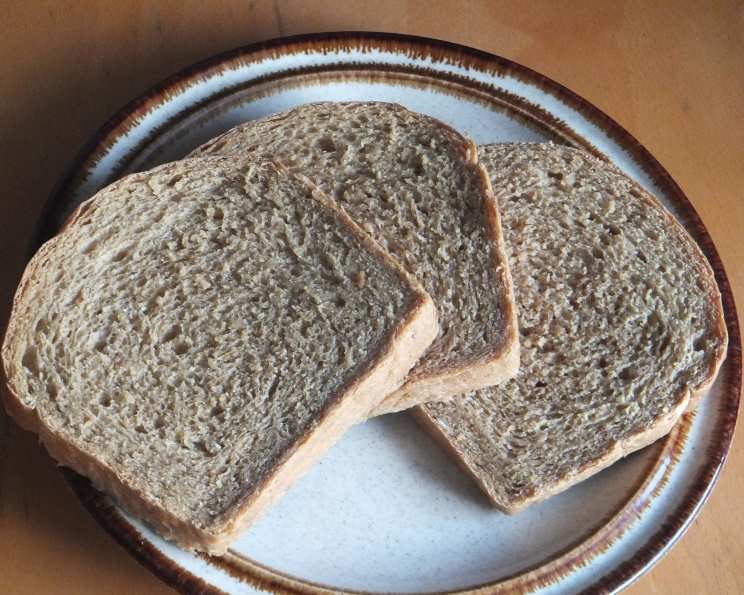
Heartwarming Oatmeal Bread: A Taste of Home
There’s a particular comfort that emanates from a warm slice of homemade bread, especially one infused with the wholesome goodness of oats. For me, this recipe is more than just flour and yeast; it’s a direct connection to my childhood kitchen, a fragrant echo of my mother’s love. She’d meticulously jot down recipes on worn index cards, and this one, scribbled in her familiar cursive, promised a truly magnificent loaf. The aroma that filled our home as this bread baked was simply magical, a promise of simple, delicious pleasure that never failed to deliver.
Recipe Overview
- Prep Time: Approximately 3 hours 15 minutes (includes rising)
- Cook Time: 45 to 60 minutes
- Total Time: Approximately 4 hours
- Yields: 3 small loaves
- Servings: Varies based on slice size
- Dietary Type: Vegetarian
Ingredients
This recipe yields a wonderfully hearty and slightly sweet oatmeal bread, perfect for toasting or enjoying as is.
- 2 ½ cups water
- 1 cup oatmeal
- ½ cup sugar
- 1 (¼ ounce) package active dry yeast
- ¼ cup butter, softened
- ⅓ cup molasses
- 5 to 6 cups all-purpose flour (you may need a bit more or less depending on humidity)
Equipment Needed
- Large mixing bowl
- Medium saucepan
- Measuring cups and spoons
- Whisk
- Spatula or wooden spoon
- Clean kitchen towels or plastic wrap
- Three 8×4-inch greased bread pans
- Oven
- Wire cooling rack
Instructions
Crafting this oatmeal bread is a journey of patience and reward, transforming simple ingredients into a golden, fragrant loaf.
- Prepare the Oatmeal Base: In a medium saucepan, bring 2 cups of water to a boil. Once boiling, remove from heat and stir in the 1 cup of oatmeal. Allow this mixture to cool completely. This step is crucial, as hot liquid will kill the yeast.
- Activate the Yeast: In a small bowl, dissolve the ¼ ounce package of yeast in ½ cup of warm water. Let this sit for about 5 minutes, or until it becomes foamy and bubbly. This indicates the yeast is active and ready to work its magic.
- Combine the Wet Ingredients: To the cooled oatmeal mixture, add the ½ cup of sugar, the activated yeast mixture, ¼ cup of softened butter, and ⅓ cup of molasses. Stir these ingredients together until well combined.
- Incorporate the Flour: Gradually add the flour to the wet ingredients. Start with 5 cups of flour and mix until a shaggy dough begins to form. You’ll then add more flour, a little at a time, until the dough is no longer excessively sticky.
- Knead the Dough: Turn the dough out onto a lightly floured surface. Knead hard for about 8-10 minutes. The dough should become smooth, elastic, and pliable. If it’s too sticky, add a tablespoon of flour at a time. If it feels too dry, add a teaspoon of water. A well-kneaded dough is key to a good bread texture.
- First Rise: Place the kneaded dough into a lightly oiled bowl, turning it to coat all sides. Cover the bowl with a clean kitchen towel or plastic wrap. Let the dough rise in a warm place for 45 minutes. You’ll know it’s ready when it has visibly increased in size.
- Punch Down and Second Rise: Gently punch down the risen dough to release the air. Turn it out onto your work surface and let it rest for an additional 30 minutes, still covered. This second rest allows the gluten to relax, making it easier to shape.
- Shape and Final Rise: Divide the dough into three equal portions. Shape each portion into a loaf and place them into your greased bread pans. Cover the pans and let the loaves rise for 2 hours in a warm place. The dough should nearly double in size and crest over the edges of the pans.
- Bake the Bread: Preheat your oven to 350 degrees Fahrenheit (175 degrees Celsius). Place the bread pans into the preheated oven. Bake for 45 to 60 minutes. The exact baking time can vary depending on your oven and the size of your loaves. The bread is done when it’s a deep golden brown and sounds hollow when tapped on the bottom. An internal temperature of around 200°F (93°C) is also a good indicator.
- Cool: Once baked, carefully remove the loaves from the bread pans and place them on a wire cooling rack. Allow the bread to cool completely before slicing. This allows the internal structure to set properly and prevents a gummy texture.
Expert Tips & Tricks
- Oatmeal Texture: For a smoother bread, you can grind your oatmeal slightly before adding it to the boiling water. However, leaving it whole provides a lovely texture and rustic charm.
- Yeast Activation: Always ensure your water for activating the yeast is warm (around 105-115°F or 40-46°C), not hot, as excessive heat will kill the yeast. If it feels too hot to comfortably touch, it’s too hot for the yeast.
- Flour Measurement: Measuring flour by weight is the most accurate method, but if using cups, spoon the flour into your measuring cup and level it off with a straight edge. Avoid scooping directly from the bag, which can compact the flour and lead to too much being used.
- Proofing Environment: A slightly warm, draft-free spot is ideal for rising. You can achieve this by placing the bowl near a pilot light on your stove, in a slightly warmed (then turned off) oven, or simply in a sunny spot in your kitchen.
- Checking for Doneness: The tap test is a reliable method. If the bottom of the loaf sounds hollow, it’s likely cooked through. For absolute certainty, use an instant-read thermometer.
Serving & Storage Suggestions
This Hearthwarming Oatmeal Bread is a versatile companion to any meal.
- Serving: Allow the bread to cool completely before slicing. It’s delicious served warm with a generous smear of butter, alongside soups and stews, or as the foundation for hearty sandwiches. Toasted slices are divine with jam, honey, or a drizzle of your favorite nut butter.
- Storage: Store cooled bread tightly wrapped in plastic wrap or in an airtight bread box at room temperature for up to 3-4 days. For longer storage, freeze individual slices or whole loaves, well-wrapped in plastic wrap and then a layer of foil or a freezer bag. Frozen bread can be enjoyed for up to 3 months. To reheat, thaw at room temperature or gently toast frozen slices.
Nutritional Information
Here’s an estimated nutritional breakdown for this hearty oatmeal bread:
| Nutrient | Amount per Serving | % Daily Value |
|---|---|---|
| Calories | 1241.5 kcal | |
| Calories from Fat | 174 g | |
| Total Fat | 19.4 g | 29% |
| Saturated Fat | 10.4 g | 51% |
| Cholesterol | 40.7 mg | 13% |
| Sodium | 162.2 mg | 6% |
| Total Carbohydrate | 239.5 g | 79% |
| Dietary Fiber | 9 g | 35% |
| Sugars | 54.9 g | 219% |
| Protein | 26.2 g | 52% |
Note: Nutritional values are estimates and can vary based on specific ingredients and portion sizes.
Variations & Substitutions
While this recipe is wonderfully classic, feel free to experiment!
- Whole Wheat Flour: For a heartier loaf with more fiber, substitute up to half of the all-purpose flour with whole wheat flour. You may need to adjust the liquid slightly.
- Sweetness Adjustment: If you prefer a less sweet bread, you can reduce the sugar to ½ cup, but be aware this might affect the yeast’s activity slightly.
- Added Seeds/Nuts: Incorporate ½ cup of your favorite seeds (sunflower, pumpkin, flax) or chopped nuts (walnuts, pecans) into the dough during the kneading stage for added texture and flavor.
- Spices: A pinch of cinnamon or nutmeg can add a warm, comforting aroma.
FAQs
Q: Why is my bread dough not rising?
A: This is often due to inactive yeast (check expiration date and ensure it was properly activated with warm water) or too cold of a rising environment.
Q: Can I make this bread gluten-free?
A: This specific recipe relies on wheat flour for structure and is not easily adaptable to a gluten-free version without significant recipe modification and specialized gluten-free flour blends.
Q: How can I tell if the bread is baked through?
A: The best indicators are a deep golden-brown crust, a hollow sound when tapping the bottom, and an internal temperature of around 200°F (93°C) when tested with an instant-read thermometer.
Q: Can I use instant yeast instead of active dry yeast?
A: Yes, you can use instant yeast. You can typically mix it directly with the dry ingredients, skipping the activation step in warm water. However, for this recipe, it’s often best to stick to the method as written for optimal results.
Q: My bread is dense. What might have gone wrong?
A: Dense bread can result from not kneading enough, not allowing adequate rising time, or using too much flour. Ensure you’ve kneaded until the dough is elastic and allowed it to rise sufficiently in a warm place.
A Final Slice of Comfort
There’s a profound satisfaction in pulling a perfectly baked loaf of oatmeal bread from your oven, its warm, yeasty aroma filling your kitchen. This recipe, born from cherished family traditions, is a testament to the simple magic of homemade baking. It’s a bread that nourishes not just the body, but the soul, perfect for sharing around the dinner table or enjoying in quiet, comforting moments. Give it a try, and I’m certain you’ll discover your own fond memories in its making and its delicious, wholesome taste.