
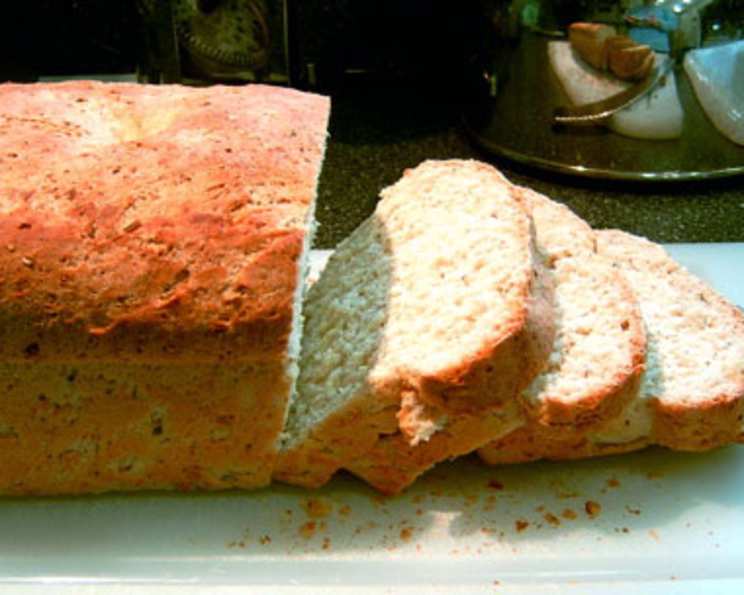
The Humble Hearth: Mastering Oat Potato Sandwich Bread
There are some loaves that simply hug you from the inside, their aroma a warm embrace that pulls you back to simpler times. This Oat Potato Sandwich Bread is one of those treasures. I remember my grandmother, a woman whose kitchen was perpetually dusted with a fine layer of flour and infused with the comforting scent of baking, making variations of this very bread. She’d often use leftover mashed potatoes, a secret she confided with a wink, claiming it made the crumb impossibly tender and gave the crust a delightful chew. The addition of oats and a whisper of lemon pepper, a touch she swore gave it a subtle “bite,” was her signature. It wasn’t just bread; it was an edible hug, a testament to resourcefulness and the profound joy of sharing.
Recipe Overview
- Prep Time: 25 minutes
- Cook Time: 40 minutes
- Total Time: 2 hours 15 minutes (includes rising time)
- Servings: 12
- Yields: 1 1/2 lb. loaf
- Dietary Type: Adaptable (can be made dairy-free)
Ingredients
This bread owes its wonderfully yielding texture and subtle nutty notes to a thoughtful combination of humble ingredients. The potato, whether leftover mash or flakes, provides unparalleled moisture and softness, while the oats add a delightful chew and wholesome character.
- 1 ½ cups warm water (around 105-115°F / 40-46°C)
- 1 tablespoon vegetable oil
- 2 tablespoons honey
- 3 cups bread flour, plus more for dusting
- ½ cup potato flakes (instant mashed potato flakes work best)
- ¾ cup oatmeal (old-fashioned rolled oats or quick-cooking oats are both suitable)
- ½ teaspoon lemon pepper
- ½ teaspoon dried thyme (or ½ teaspoon Herbes de Provence for a more complex herbal note)
- 1 ½ teaspoons salt
- 2 teaspoons active dry yeast
Equipment Needed
To bring this delicious loaf to life, you’ll need a few essential kitchen tools:
- Large mixing bowl (if not using a bread machine)
- Measuring cups and spoons
- Bread machine (optional, but highly recommended for convenience)
- Loaf pan (approximately 9×5 inches) or baking sheet
- Oven
- Wire cooling rack
Instructions
This recipe is wonderfully adaptable, allowing for the ease of a bread machine or the traditional charm of hand-shaping.
Using a Bread Machine:
- Begin by placing the warm water, vegetable oil, and honey into your bread machine pan.
- Next, add the bread flour, making sure to cover the liquid ingredients.
- Sprinkle the potato flakes, oatmeal, lemon pepper, thyme (or Herbes de Provence), salt, and finally the active dry yeast over the flour. Ensure the yeast is placed last, on top of the dry ingredients, to prevent premature activation.
- Set your bread machine to the basic/white cycle with a light or medium crust setting.
- Start the machine and allow it to complete its cycle. The machine will expertly mix, knead, and bake your bread.
Alternatively, Using the Dough Cycle:
- If your bread machine has a dough cycle, follow steps 1-3 above.
- Set your machine to the dough cycle. This cycle will mix and knead the dough, allowing it to rise once.
- Once the dough cycle is complete, carefully remove the dough from the bread machine pan.
- Lightly flour a clean work surface and gently deflate the dough by pressing down on it.
- Shape the dough into your desired loaf. You can form it into a traditional loaf to fit into a greased loaf pan, or shape it free-form on a baking sheet lined with parchment paper.
- Cover the shaped dough loosely with a clean kitchen towel or plastic wrap and let it rise again in a warm place for about 30-60 minutes, or until it has visibly increased in size, nearly doubling.
- While the dough is rising, preheat your oven to 375°F (190°C).
- Once the dough has risen, bake for approximately 40 minutes in the preheated oven, or until the loaf is golden brown and sounds hollow when tapped on the bottom.
Expert Tips & Tricks
- Potato Power: For the most tender crumb, using leftover mashed potatoes instead of flakes is a fantastic option. If using mashed potatoes, you might need to slightly adjust the liquid. Aim for about ½ cup of mashed potatoes, ensuring they are not too wet, and reduce the warm water by ¼ cup.
- Oat Variety: While both old-fashioned and quick-cooking oats work, old-fashioned rolled oats will provide a slightly more noticeable texture in the finished bread.
- Herbal Harmony: The lemon pepper adds a subtle zest that really brightens the flavor. If you’re not a fan, you can omit it or substitute with a pinch of black pepper and a tiny pinch of lemon zest (use sparingly). Feel free to experiment with other dried herbs like rosemary or sage. If using fresh herbs, double the amount, as dried herbs are more concentrated in flavor.
- Yeast Activation: Always ensure your yeast is fresh and that your water is the correct warm temperature. Too hot will kill the yeast, and too cool will hinder its activity. A simple test is to feel the water on your wrist; it should feel pleasantly warm, like a baby’s bathwater.
- Crust Control: If you prefer a softer crust, you can lightly brush the top of the loaf with melted butter or milk immediately after it comes out of the oven. For a crisper crust, you can create steam in your oven by placing a pan of hot water on the rack below your bread during the initial baking time.
Serving & Storage Suggestions
This Oat Potato Sandwich Bread is a true all-rounder. It’s exceptional toasted and slathered with butter, used for hearty sandwiches piled high with your favorite fillings, or served alongside a comforting bowl of soup.
Once cooled, store the bread in an airtight container or wrap it tightly in plastic wrap or a bread bag at room temperature for up to 3-4 days. For longer storage, slice the bread and freeze it in a freezer-safe bag or container. It thaws beautifully on the counter or can be popped directly into the toaster from frozen. Reheating slices in a toaster or briefly in a warm oven will revive its delightful texture.
Nutritional Information
(Note: This is an estimated nutritional breakdown and can vary based on specific ingredients used.)
| Nutrient | Amount per Serving | % Daily Value |
|---|---|---|
| Calories | 168.8 kcal | |
| Calories from Fat | 17 g | 10% |
| Total Fat | 1.9 g | 2% |
| Saturated Fat | 0.3 g | 1% |
| Cholesterol | 0 mg | 0% |
| Sodium | 296.2 mg | 12% |
| Total Carbohydrate | 33 g | 10% |
| Dietary Fiber | 2.1 g | 8% |
| Sugars | 3.1 g | 12% |
| Protein | 4.9 g | 9% |
Variations & Substitutions
- Gluten-Free: For a gluten-free version, you’ll need to use a high-quality gluten-free bread flour blend and consider adding a binder like xanthan gum or psyllium husk, following the recommendations of your chosen gluten-free flour. The texture may vary.
- Dairy-Free: This recipe is inherently dairy-free if you use vegetable oil and water. If you choose to brush the crust with milk after baking for a softer finish, opt for a non-dairy milk like almond or soy milk.
- Seed Boost: For added texture and nutrients, consider adding a ¼ cup of sunflower seeds or flaxseeds to the dry ingredients.
- Savory Twist: Incorporate finely chopped fresh rosemary or chives along with the other dried herbs for a delightful savory variation. A sprinkle of grated Parmesan cheese (if not strictly dairy-free) can also be a delicious addition.
FAQs
Q: Can I use all-purpose flour instead of bread flour?
A: While you can, bread flour has a higher protein content, which develops gluten better and results in a chewier, more structured loaf ideal for sandwiches. All-purpose flour will yield a softer crumb.
Q: My bread didn’t rise very well. What could have gone wrong?
A: The most common culprits are inactive yeast, water that was too hot or too cold, or not enough rising time. Ensure your yeast is fresh and the water temperature is correct. Allow adequate time for both rises, especially in a cooler environment.
Q: How long does the potato flakes last in the pantry?
A: Unopened, instant potato flakes can last for a year or more when stored in a cool, dry place. Once opened, they should be used within 6 months for best quality.
Q: Can I make this bread without a bread machine?
A: Absolutely! The instructions provide an alternative method using the dough cycle and then baking in a conventional oven. You can also knead the dough by hand.
Q: Why is it important to add yeast last?
A: Adding yeast last ensures it doesn’t come into direct contact with the salt or liquid too early, which can inhibit its activity and prevent a proper rise.
Final Thoughts
There’s a profound satisfaction that comes from baking your own bread, and this Oat Potato Sandwich Bread offers a perfect entry point for home bakers. Its tender crumb, hearty texture, and subtle nutty undertones make it incredibly versatile. Whether you’re crafting the ultimate grilled cheese or packing lunchboxes, this loaf is a true champion. Don’t be afraid to experiment with the herbs, and savor the comforting aroma as it fills your home. Share a slice with a loved one – it’s the simplest, most delicious way to connect.