
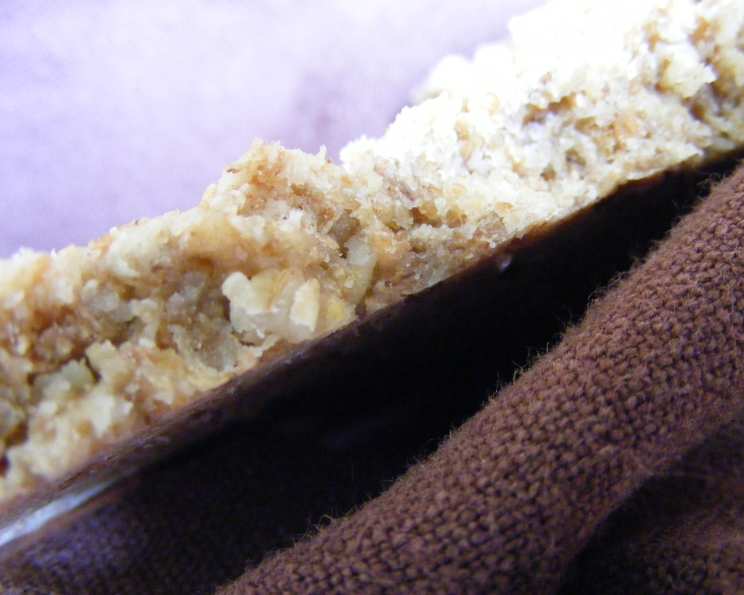
The Humble Charm of Oat Biscuits: A Taste of Timeless Simplicity
There’s a certain quiet elegance to oat biscuits, a comforting familiarity that transports me back to crisp autumn afternoons spent in my grandmother’s kitchen. The air would be thick with the sweet, nutty aroma of baking oats, a scent that was both grounding and exhilarating. She’d often make these simple treats to accompany her famous apple crumble, a perfect counterpoint of buttery crispness to the soft, spiced fruit. Watching her nimble fingers roll out the dough, the gentle thud of the food processor, these sensory memories are as vivid today as they were then. They weren’t fancy, these oat biscuits, but they were honest, wholesome, and utterly delicious, a testament to the enduring power of good ingredients and straightforward technique.
Recipe Overview
- Prep Time: 3 hours 20 minutes (including chilling time)
- Cook Time: 20 minutes
- Total Time: 3 hours 40 minutes
- Servings: 30 biscuits
- Yield: 30 biscuits
- Dietary Type: Vegetarian
Ingredients
This recipe yields a generous batch of delightful oat biscuits, perfect for sharing (or not!).
- 2 cups old-fashioned oats
- 2 cups whole wheat flour
- 1 cup unsalted butter, cold, cut into pieces
- 1/3 cup dark brown sugar, packed
- 1 ¾ teaspoons baking powder
- 1 ½ teaspoons salt
- 1/2 cup whole milk
Equipment Needed
- Food processor
- Large bowl
- Plastic wrap
- Baking sheets
- Wire cooling rack
- Sharp knife or bench scraper
Instructions
The beauty of these oat biscuits lies in their simplicity, and the food processor makes the dough-making process remarkably straightforward.
-
Begin by preparing your oats. Place the 2 cups of old-fashioned oats into the bowl of a food processor. Coarsely chop them by pulsing a few times. You want a slightly rough texture, not a fine powder, as this will contribute to the biscuit’s delightful bite. Transfer the chopped oats to a large bowl and set aside.
-
Now, prepare the dry ingredients and butter. Add the 2 cups of whole wheat flour, the 1 cup of cold, unsalted butter (cut into pieces), the 1/3 cup of packed dark brown sugar, the 1 ¾ teaspoons of baking powder, and the 1 ½ teaspoons of salt into the food processor that you used for the oats.
-
Pulse these ingredients together until the mixture resembles a coarse meal. The butter should be well distributed, creating small, pea-sized pieces throughout the flour mixture. This is crucial for achieving a tender, crumbly texture.
-
Add the 1/2 cup of whole milk to the food processor. Blend until the mixture just forms a dough. Be careful not to overmix at this stage; you want the dough to just come together.
-
Gently add the chopped oats back into the food processor with the dough. Knead (or pulse briefly) until the oats are just incorporated. You don’t want to overwork the dough at this point; a gentle incorporation is all that’s needed.
-
Turn the dough out onto a lightly floured surface. Halve the dough into two equal portions. For each portion, pat it into a 5 by 3-inch rectangle. Aim for an even thickness to ensure consistent baking.
-
Wrap each rectangle well in plastic wrap and chill in the refrigerator until firm. This will take approximately 3 hours. This chilling time is essential for the dough to firm up, making it easier to slice and preventing the biscuits from spreading excessively during baking.
-
When you’re ready to bake, preheat your oven to 350°F (175°C). Position a rack in the middle of the oven.
-
Take one rectangle of the chilled dough from the refrigerator. Unwrap it and, using a sharp knife or bench scraper, cut it cross-wise into scant 1/4 inch thick slices. These thin slices will bake into crisp, delicate biscuits.
-
Arrange the slices on an ungreased large baking sheet, leaving a little space between each biscuit as they might spread slightly.
-
Bake in the preheated oven for approximately 20 minutes, or until the undersides are a shade darker than the tops. Keep a close eye on them as they can go from perfectly golden to overbaked quite quickly due to their thinness.
-
Once baked, carefully transfer the biscuits to a wire rack to cool. While they are cooling, you can prepare the remaining rectangle of dough by slicing and baking it in the same manner.
Expert Tips & Tricks
- Cold Butter is Key: Using cold butter, cut into pieces, is paramount for creating flaky and tender biscuits. The cold butter creates pockets of steam in the oven, which leads to that desirable texture. If your kitchen is warm, consider chilling the flour and oats briefly before starting.
- Don’t Overmix: Overmixing the dough develops the gluten in the flour, which can result in tough biscuits. Mix only until the ingredients are just combined.
- Chilling is Crucial: The 3-hour chilling period is not just a suggestion; it’s essential for achieving the right texture and preventing the biscuits from spreading into a formless mass. The cold dough is firmer and easier to slice thinly.
- Watch the Baking Time: Due to the thinness of these biscuits, they bake relatively quickly. The “shade darker” on the underside is your cue. It’s better to err on the side of slightly underbaked than overbaked for optimal crispness without bitterness.
Serving & Storage Suggestions
These oat biscuits are best enjoyed the same day they are baked, when their crispness is at its peak. They are wonderful served with a cheese course, accompanied by seasonal fruits like pears, figs, or grapes, and a selection of creamy cheeses such as triple cream brie or a rich camembert.
If you need to make them ahead, they can be prepared 2 days in advance. Store them in an airtight container at room temperature. They will retain a good degree of their crispness for this period. Avoid refrigerating them, as this can make them soft and chewy. If they do lose a little crispness after a day, a very brief stint in a low oven (around 250°F/120°C) for a few minutes can help revive them.
Nutritional Information
| Nutrient | Amount per Serving | % Daily Value |
|---|---|---|
| Calories | 113.9 kcal | |
| Total Fat | 6.8 g | 10% |
| Saturated Fat | 4 g | 20% |
| Cholesterol | 16.7 mg | 5% |
| Sodium | 141.5 mg | 5% |
| Total Carbohydrate | 12.1 g | 4% |
| Dietary Fiber | 1.5 g | 6% |
| Sugars | 2.7 g | 10% |
| Protein | 2.2 g | 4% |
Note: Nutritional information is an estimate and can vary based on specific ingredients and quantities used.
Variations & Substitutions
While this recipe is wonderfully classic, a few simple tweaks can lead to delightful variations:
- Gluten-Free: For a gluten-free version, you can experiment with a good quality gluten-free all-purpose flour blend. You may need to adjust the liquid slightly, as gluten-free flours can absorb moisture differently. Ensure your oats are certified gluten-free if dietary restrictions are a concern.
- Sweetness Adjustment: If you prefer a less sweet biscuit, you can reduce the dark brown sugar slightly.
- Spiced Oats: For an extra layer of flavor, you could add a pinch of cinnamon or nutmeg to the oats before chopping them in the food processor.
- Herbal Notes: A tablespoon or two of finely chopped fresh rosemary or thyme could be incorporated into the dry ingredients for a savory twist, perfect for accompanying a cheese board.
FAQs
Q: Can I use quick oats instead of old-fashioned oats?
A: It’s best to stick with old-fashioned oats for this recipe. Quick oats are processed differently and will result in a softer, less distinct texture in the final biscuit.
Q: Why are my biscuits spreading too much?
A: Overmixing the dough or not chilling it sufficiently are the most common culprits for excessive spreading. Ensure your butter is cold and that the dough is firm before slicing.
Q: Can I freeze the dough?
A: Yes, you can freeze the dough. After forming the rectangles and wrapping them well, they can be frozen for up to a month. Thaw them in the refrigerator overnight before slicing and baking.
Q: How can I tell if the biscuits are done baking?
A: The best indicator is the underside. They should be a “shade darker” than the top, which typically means a light golden brown. They will also feel firm to the touch.
Q: My biscuits taste a bit bland. What did I miss?
A: Ensure you are using the full amount of salt and that your baking powder is fresh. Salt is a flavor enhancer, and fresh baking powder is crucial for leavening and overall taste.
Final Thoughts
These oat biscuits are a testament to the fact that sometimes, the most profound culinary experiences come from the simplest of preparations. They are a reminder that comfort food doesn’t need to be complicated, and that a few quality ingredients, handled with care, can yield truly remarkable results. I encourage you to bake a batch, perhaps with a cup of strong black tea or a glass of chilled white wine, and savor the quiet joy they bring. Share them with loved ones, or keep them all to yourself – either way, I’m certain you’ll find yourself returning to this humble recipe time and time again.