
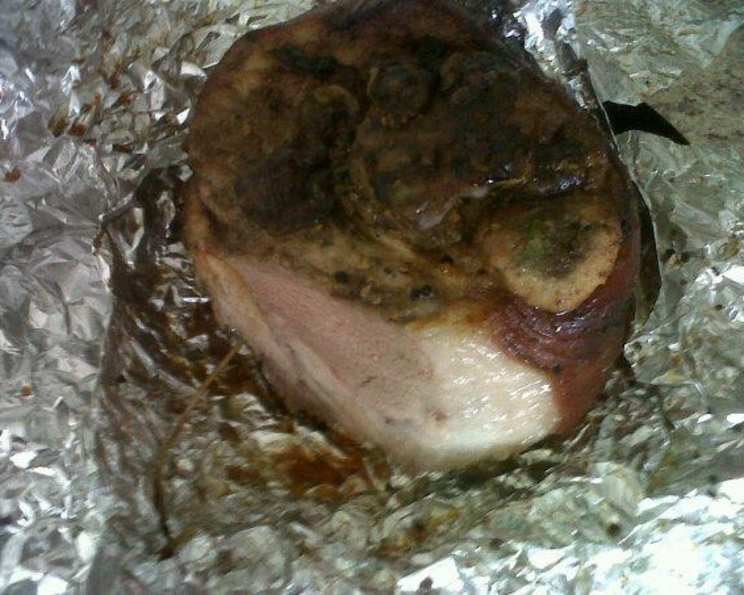
The Magic of Crispy Skin Roasted Pork Shoulder
There are few culinary aromas that can transport me back to childhood quite like the rich, savory scent of roasting pork. My grandmother, a woman whose hands were rarely still in the kitchen, had a particular knack for coaxing the most incredible flavors from humble cuts of meat. I remember one Sunday afternoon, the air thick with the promise of a feast, she pulled a golden-brown pork shoulder from the oven, its skin crackling like miniature fireworks. The resulting dish, tender and succulent beneath that glorious crispy shell, was a revelation. It’s a memory etched into my palate, a benchmark of comfort and culinary achievement that I’ve strived to replicate ever since. This recipe, a refined version of that cherished memory, brings that same soul-satisfying magic to your table.
Recipe Overview
- Prep Time: 20 minutes (plus 4 hours chilling time)
- Cook Time: 2 hours 30 minutes
- Total Time: 3 hours 10 minutes
- Servings: 8
- Yield: 1 roasted pork shoulder
- Dietary Type: Gluten-Free, Dairy-Free
Ingredients
This recipe celebrates the simple, natural flavors of pork, enhanced by aromatic spices and bright citrus.
- 4-5 lbs pork shoulder, bone-in is preferred for optimal moisture and flavor.
- 1 medium onion, sliced thick.
- 1 whole bulb of garlic, peeled.
- 1 tablespoon fresh oregano.
- 2 teaspoons cumin.
- 2 teaspoons salt.
- 1 teaspoon black peppercorns.
- 2 bay leaves.
- 1 tablespoon oil (such as olive or vegetable oil).
- 1 orange, zested then juiced.
- 1 lemon, zested then juiced.
Equipment Needed
- Sharp knife
- Food processor
- Glass roasting pan
- Plastic wrap
- Oven
- Meat thermometer
- Cutting board
- Serving platter
Instructions
Crafting a truly exceptional crispy skin roasted pork shoulder is a journey of patience and precise technique. Follow these steps diligently, and you’ll be rewarded with a dish that’s both impressive and deeply satisfying.
-
Begin by preparing the pork shoulder. Using a sharp knife, make several shallow cuts about ½ inch deep across the surface of the pork. These incisions will allow the flavorful marinade to penetrate the meat, ensuring it’s seasoned throughout.
-
Next, prepare the aromatic base for your roasting pan. Spread the thickly sliced onion across the bottom of a glass roasting pan. This bed of onions will not only add a subtle sweetness to the pork as it roasts but also prevent the meat from sticking and create delicious pan juices.
-
Now, let’s create the vibrant marinade. In a food processor, combine the peeled garlic bulb, fresh oregano, cumin, salt, black peppercorns, bay leaves, oil, zested orange, juiced orange, zested lemon, and juiced lemon. Process these ingredients until they form a well-combined paste. This aromatic paste is the heart of the flavor profile, balancing earthy spices with bright citrus notes.
-
Generously rub the pork shoulder with the prepared paste, ensuring that the mixture is thoroughly coated all over. Pay special attention to pushing the paste deep into the cuts you made earlier. This ensures maximum flavor infusion into the meat.
-
Carefully place the seasoned pork shoulder on top of the onion slices in the glass roasting pan.
-
Cover the roasting pan tightly with plastic wrap. Then, place the entire pan in the refrigerator for at least 4 hours. This chilling period is crucial for allowing the flavors to meld and penetrate the meat deeply. If possible, turn the pork shoulder at least once during this time to ensure even marination.
-
When you’re ready to cook, preheat your oven to 450 degrees F (230 degrees C). This initial high heat is key to achieving that coveted crispy skin.
-
Carefully remove the plastic wrap from the roasting pan. Place the pan in the preheated oven, ensuring the fat side of the pork is facing up.
-
Roast the pork shoulder at 450 degrees F (230 degrees C) for 30 minutes. This initial blast of heat will start the process of rendering the fat and crisping the skin.
-
After 30 minutes, lower the oven heat to 325 degrees F (160 degrees C). Continue to roast for an additional 2 hours, or until the pork reaches an internal temperature of 150 degrees F (65 degrees C).
-
During the final 2 hours of cooking, baste the pork shoulder with its own juices every 30 minutes. Spooning the rich, flavorful juices over the meat helps to keep it moist and enhances its overall flavor.
-
Once the pork shoulder has reached the target internal temperature of 150 degrees F (65 degrees C), remove it from the oven.
-
Allow the pork to rest for 15 minutes before cutting and serving. This resting period is critical for the juices to redistribute throughout the meat, ensuring every slice is tender and moist.
Expert Tips & Tricks
Achieving that perfect crispy skin is often the most sought-after element of roasted pork. While the initial high heat is essential, a few additional tips can elevate your result. Ensure the skin is completely dry before you apply the rub and before it goes into the oven – patting it down with paper towels can help. If your oven tends to run hot or cool, consider using an oven thermometer to ensure accurate temperatures. Don’t be afraid to make those cuts deep enough to get the paste well into the meat; it’s where the flavor really lives.
Serving & Storage Suggestions
This succulent pork shoulder is a showstopper on its own, but it pairs beautifully with a variety of sides. Consider serving it with creamy mashed potatoes, roasted root vegetables, a crisp apple sauce, or a vibrant green salad to cut through the richness. Once carved, the crispy skin, often called crackling, should be served immediately to enjoy its satisfying crunch.
Leftovers can be stored in an airtight container in the refrigerator for up to 3-4 days. For longer storage, you can freeze portions of the shredded or sliced pork for up to 2-3 months. Reheat gently in a covered dish in a low oven or on the stovetop with a splash of liquid to prevent drying out.
Nutritional Information
Here’s an estimated nutritional breakdown for a serving of this delicious pork shoulder:
| Nutrient | Amount per Serving | % Daily Value |
|---|---|---|
| Calories | 574.4 kcal | |
| Calories from Fat | 67% | |
| Total Fat | 42.7 g | 65% |
| Saturated Fat | 14.4 g | 72% |
| Cholesterol | 161 mg | 53% |
| Sodium | 731.1 mg | 30% |
| Total Carbohydrate | 5.7 g | 1% |
| Dietary Fiber | 1.1 g | 4% |
| Sugars | 2.4 g | 9% |
| Protein | 39.7 g | 79% |
Note: Nutritional values are estimates and can vary based on specific ingredients and portion sizes.
Variations & Substitutions
While this recipe is fantastic as is, feel free to experiment! For a spicier kick, add a pinch of cayenne pepper or a finely chopped fresh chili to the marinade paste. If you don’t have fresh oregano, you can substitute with 1 teaspoon of dried oregano, though the fresh herb offers a brighter flavor. For an extra layer of depth, you could add a splash of white wine or apple cider vinegar to the onion bed in the roasting pan before placing the pork.
FAQs
Q: Can I use a boneless pork shoulder for this recipe?
A: While bone-in is preferred for its contribution to moisture and flavor, a boneless shoulder can be used. You might need to adjust the cooking time slightly, as it will likely cook a bit faster.
Q: How do I know if my pork shoulder is cooked through?
A: The most reliable way is to use a meat thermometer. Insert it into the thickest part of the meat, avoiding the bone. It should register 150 degrees F (65 degrees C). The meat should also be fork-tender.
Q: My skin isn’t getting crispy. What can I do?
A: Ensure the skin is very dry before it goes into the oven. You can also try increasing the initial roasting temperature slightly for the first 30 minutes or even broiling it for the last few minutes of cooking, keeping a very close eye to prevent burning.
Q: Can I make the marinade ahead of time?
A: Yes, the marinade paste can be made a day in advance and stored in an airtight container in the refrigerator. This allows the flavors to further develop.
Q: What’s the best way to reheat leftover pork shoulder?
A: For the best results, reheat leftovers in a covered dish in a low oven (around 300-325 degrees F) with a small amount of liquid (broth or water) to keep it moist. This helps to restore its tenderness.
Final Thoughts
There’s a profound satisfaction that comes from creating a dish that nourishes and delights. This Crispy Skin Roasted Pork Shoulder is more than just a meal; it’s an experience. It’s about the alchemy of simple ingredients transformed by heat and time into something truly special. So gather your loved ones, embrace the process, and savor the incredible flavors and textures that emerge from your oven. I encourage you to share your creations and any twists you might discover – happy cooking!