
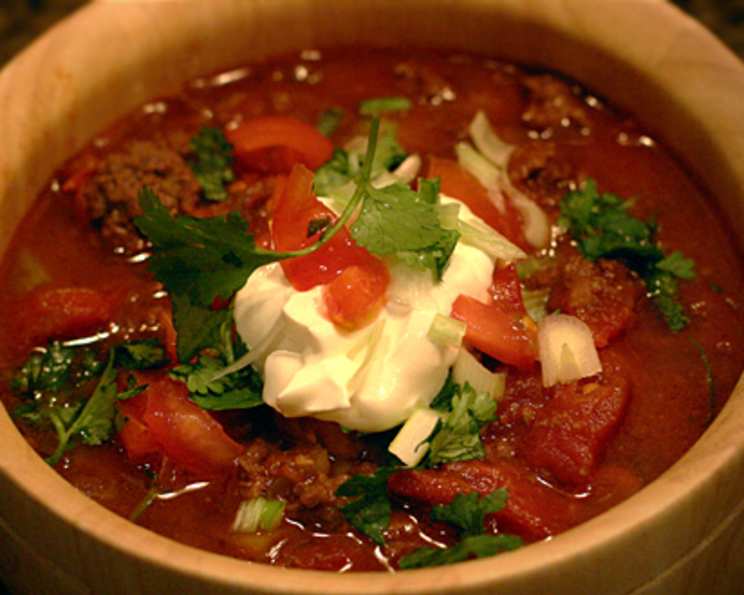
Red Wine Carnivore Elk Chili: A Hunter’s Hearty Brew
There’s a unique satisfaction that comes from cooking with game meat, a connection to the wild that elevates a simple meal into an experience. For me, that connection is most profound on a blustery, rain-slicked afternoon. The aroma of slow-simmering chili, rich with the earthy notes of elk and deepened by the sophisticated embrace of red wine, is more than just food; it’s a comforting embrace, a culinary hug that banishes the chill and warms the soul from the inside out. This particular recipe, with its robust blend of spices and the luxurious depth of red wine, has become a cherished tradition, especially when the skies are a moody grey and a hearty, soul-satisfying dish is precisely what the moment calls for.
Recipe Overview
- Prep Time: 30 minutes
- Cook Time: 2-3 hours
- Total Time: 2 hours 30 minutes – 3 hours 30 minutes
- Servings: 6-8
- Yield: Large pot of chili
- Dietary Type: Carnivore-friendly (can be adapted)
Ingredients
This chili is a symphony of robust flavors, built upon a foundation of quality ingredients. The elk provides a lean, slightly gamey base, while the red wine adds a sophisticated tannic depth that truly transforms the dish.
- 4 tablespoons vegetable oil
- 2 lbs ground elk
- 4 (14.5 ounce) cans diced tomatoes
- 2 tablespoons tomato paste
- 375 ml red wine (a dry, medium-bodied wine like Merlot or Cabernet Sauvignon works beautifully)
- 1 large onion, finely chopped
- 1 yellow bell pepper, finely chopped
- 5 stalks celery, finely chopped
- 5 cloves garlic, minced
- 1 cup water
- 1 teaspoon ground cayenne pepper
- 1 teaspoon chipotle chili seasoning
- 1 teaspoon garlic powder
- 1 tablespoon cumin
- 1 tablespoon kosher salt, plus more to taste
- 1 tablespoon brown sugar
- 1 tablespoon salt (this is in addition to the kosher salt, likely for balancing flavor)
- 1 teaspoon pepper
Equipment Needed
For this comforting cauldron of flavor, a few essential tools will ensure success:
- A large, heavy-bottomed stock pot or Dutch oven (essential for even heating and slow simmering)
- A sturdy spoon or spatula for stirring
- Measuring cups and spoons
- A sharp knife and cutting board for chopping vegetables
Instructions
The magic of this chili unfolds slowly, allowing the flavors to meld and deepen. Patience is your secret ingredient here, and the reward is a truly exceptional dish.
-
Begin by heating 2 tablespoons of vegetable oil in your heavy stock pot over medium-high heat. Once the oil is shimmering, add the ground elk. Cook the elk, breaking it up with your spoon, until it is thoroughly browned. This searing step is crucial for developing flavor. Once browned, carefully remove all the cooked elk to a separate bowl, leaving any rendered fat in the pot.
-
Add the additional 2 tablespoons of vegetable oil to the same stock pot. Add the chopped onion, chopped celery, chopped yellow bell pepper, and minced garlic. Sauté these vegetables, stirring occasionally, until the onions are translucent and soft. This will take approximately 5-6 minutes. This aromatic base is the foundation of our chili’s complex flavor.
-
Pour 1/2 bottle (approximately 187.5 ml) of red wine directly into the stock pot with the sautéed vegetables. Now comes the deglazing process: scrape the bottom of the pot with your spoon to lift all those delicious browned bits that have stuck. This action infuses the wine with concentrated flavor, a technique that truly elevates any stew or sauce. Let the wine simmer for a minute or two to allow some of the alcohol to evaporate.
-
Return the cooked elk meat to the stock pot. Add the diced tomatoes, tomato paste, chili seasonings (the ground cayenne pepper, chipotle chili seasoning, garlic powder, and cumin), and 1 cup of water. Stir everything together to combine.
-
Bring the chili to a simmer. Once simmering, reduce the heat to low, cover the pot, and let it simmer for 2-3 hours. During this time, it’s important to stir periodically to prevent anything from sticking to the bottom and to ensure the flavors meld beautifully. The longer it simmers, the deeper and more complex the flavor will become.
-
During the final stages of simmering, taste and adjust the seasoning with kosher salt, brown sugar, salt, and pepper as needed. The brown sugar helps to balance the acidity of the tomatoes and the richness of the wine.
Expert Tips & Tricks
Elevate your chili from delicious to divine with these seasoned insights:
- The Power of the Sear: Don’t rush the browning of the elk. A good sear creates a rich, nutty flavor that forms the backbone of this chili.
- Deglazing Done Right: Ensure you get all those flavorful bits off the bottom of the pot when deglazing with the wine. These are concentrated sources of umami.
- Simmer Low and Slow: Resist the urge to crank up the heat. A gentle simmer allows the proteins to break down and the flavors to marry without making the meat tough or the chili scorching hot.
- Wine Choice Matters: While almost any dry red will work, opt for one you’d enjoy drinking. Its character will come through in the chili. Avoid anything too sweet or overly fruity.
Serving & Storage Suggestions
This Red Wine Carnivore Elk Chili is a showstopper on its own, but the right accompaniments can take it to another level.
Serving: Ladle generous portions into warm bowls. Garnish with your favorite toppings. Classic choices include:
- Chopped onion (red, white, or green)
- Sour cream or Greek yogurt for a cool contrast
- Diced cilantro for a fresh, herbal note
- Fresh diced tomatoes for added brightness
- Grated cheese (cheddar, Monterey Jack, or a spicy pepper jack)
- Sliced fresh chili peppers for those who like it extra hot
- A dash of your favorite hot sauce
This chili is also fantastic served with a side of cornbread, crusty bread, or even over a bed of rice or potatoes.
Storage: Once cooled, this chili stores beautifully.
- Room Temperature: Do not leave chili at room temperature for more than two hours.
- Refrigeration: Store in an airtight container in the refrigerator for up to 3-4 days. The flavors often deepen and improve overnight!
- Freezing: This chili freezes exceptionally well. Let it cool completely, then transfer to freezer-safe containers or heavy-duty freezer bags. It can be stored in the freezer for up to 3 months.
- Reheating: Thaw frozen chili in the refrigerator overnight. Reheat gently on the stovetop over low heat, stirring occasionally, until heated through. You may need to add a splash of water or broth if it seems too thick. Microwaving is also an option, stirring halfway through for even heating.
Nutritional Information
While precise nutritional values can vary based on exact ingredients and portion sizes, here’s an estimated breakdown for this hearty chili:
| Nutrient | Amount per Serving (approx.) | % Daily Value (approx.) |
|---|---|---|
| Calories | 490 kcal | |
| Calories from Fat | 210 kcal | |
| Total Fat | 23.4 g | 36% |
| Saturated Fat | 6.6 g | 32% |
| Cholesterol | 100 mg | 33% |
| Sodium | 2536 mg | 105% |
| Total Carbohydrate | 22.9 g | 7% |
| Dietary Fiber | 5.1 g | 20% |
| Sugars | 12.2 g | 48% |
| Protein | 36.9 g | 73% |
Note: Nutritional values are estimates and can vary.
Variations & Substitutions
While this recipe sings with elk, feel free to explore its potential:
- Different Game Meats: Ground venison, bison, or even a blend of these would be delicious substitutes for elk.
- Beef or Lamb: If game meat isn’t readily available, high-quality ground beef (85/15 or 90/10) or lamb can be used.
- Vegetarian/Vegan Adaptation: For a plant-based version, substitute the ground elk with a hearty mix of mushrooms (cremini, shiitake), lentils, and black beans. Ensure your vegetable broth is vegan and omit any cheese garnishes.
- Spice Level: Adjust the ground cayenne pepper to your personal heat preference. For a smoky heat, consider adding a pinch of smoked paprika.
- Tomatoes: While diced tomatoes are called for, fire-roasted diced tomatoes will add an extra layer of smoky depth. You could also incorporate a can of crushed tomatoes for a thicker base.
FAQs
Q: Can I use a different type of red wine in this chili?
A: Absolutely! A dry, medium-bodied red like Merlot, Zinfandel, or even a Grenache will work wonderfully. Avoid very sweet or overly tannic wines.
Q: How can I make this chili thicker if it’s too thin?
A: If your chili is thinner than you prefer after simmering, you can thicken it by mashing some of the beans against the side of the pot or by creating a slurry of 1-2 tablespoons of cornstarch or flour with a little cold water and stirring it into the simmering chili until thickened.
Q: My elk seems a bit dry after browning. Is that normal?
A: Ground elk is naturally lean, so it can dry out if overcooked. Ensure you’re cooking it just until browned and then it will rehydrate beautifully during the long simmer.
Q: Can I make this chili ahead of time?
A: Yes! Chili is an excellent make-ahead dish. The flavors actually meld and improve significantly when allowed to rest overnight in the refrigerator. Simply reheat gently on the stovetop.
Q: What are the best garnishes for elk chili?
A: The best garnishes are those that complement the rich, savory flavors. Think cool, creamy elements like sour cream or avocado, fresh herbs like cilantro or chives, and a bit of sharp cheese.
Final Thoughts
This Red Wine Carnivore Elk Chili is more than just a recipe; it’s an invitation to savor the richness of game, the depth of good wine, and the comfort of a slow-cooked meal. It’s the kind of dish that gathers people around the table, sparking conversation and filling bellies with warmth and satisfaction. So, the next time the weather turns a bit grim, or you simply crave a truly substantial and flavorful experience, gather your ingredients and let the comforting aroma of this elk chili fill your home. I encourage you to experiment with your favorite garnishes and truly make it your own. Enjoy every hearty spoonful!