
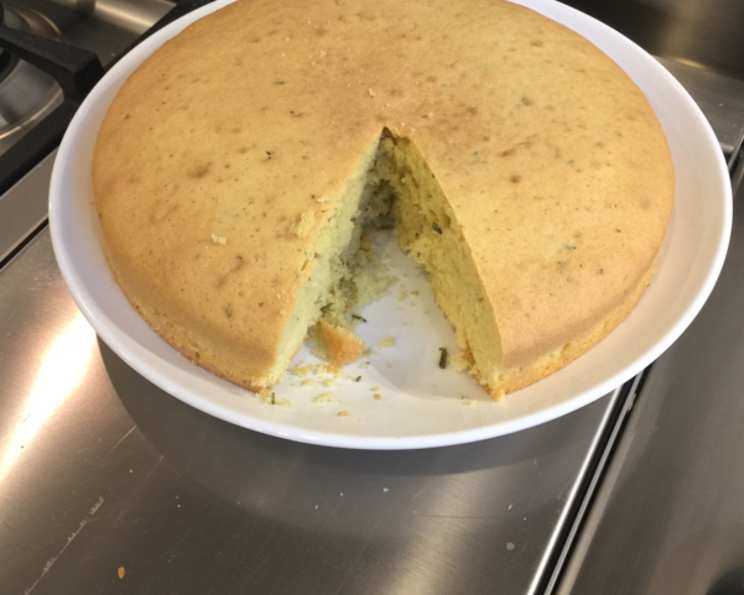
The Aromatic Embrace: An Olive Oil and Fresh Rosemary Cake
There’s a scent that, for me, instantly transports me back to a crisp autumn afternoon in Philadelphia, the air carrying hints of woodsmoke and damp earth. It was during a visit to the now-cherished Mercato that I first encountered this cake. The subtle, yet invigorating perfume of fresh rosemary, married with the silken richness of olive oil, was an unexpected revelation. It wasn’t overly sweet, but deeply satisfying, a testament to how simple, high-quality ingredients can create something truly magical. This cake became a benchmark, a reminder that culinary brilliance often lies in thoughtful simplicity.
Recipe Overview
- Prep Time: 15 minutes
- Cook Time: 45 to 50 minutes
- Total Time: Approximately 1 hour to 1 hour 5 minutes
- Servings: 8-10
- Yield: 1 loaf cake
- Dietary Type: Dairy-Free
Ingredients
This cake is a beautiful testament to how a few humble ingredients, when treated with respect, can blossom into something extraordinary. The quality of your olive oil will truly shine here, so choose a good, fruity extra virgin.
- 4 eggs
- 3⁄4 cup sugar
- 2⁄3 cup extra virgin olive oil
- 2 tablespoons finely chopped fresh rosemary leaves
- 1 1⁄4 cups unbleached all-purpose flour
- 1 tablespoon baking powder
- 1⁄2 teaspoon kosher salt
Equipment Needed
For this aromatic creation, you’ll need a few standard kitchen tools:
- A stand mixer with a whisk attachment, or a hand mixer.
- A medium-sized mixing bowl.
- A separate bowl for dry ingredients.
- A spatula.
- A 10-inch loaf pan.
- Non-stick cooking spray or butter and flour for preparing the pan.
- A wire cooling rack.
Instructions
Crafting this Olive Oil and Fresh Rosemary Cake is a straightforward yet rewarding process. The key is to incorporate ingredients gently at the right moments to ensure a tender crumb and even bake.
- Preheat your oven to 325°F (160°C). This moderate temperature is crucial for allowing the cake to cook through without browning too quickly.
- In a bowl, using the whip attachment of your mixer, beat the eggs for 30 seconds. This initial whipping helps to aerate the eggs, forming a base for a lighter cake.
- Add the sugar to the beaten eggs. Continue to beat the mixture until it becomes foamy and pale in color. This process, known as creaming, incorporates air and dissolves the sugar, contributing to the cake’s texture and sweetness.
- With the mixer running slowly, drizzle in the olive oil. This gradual addition ensures the oil is fully emulsified into the egg and sugar mixture, preventing separation and contributing to the cake’s moistness.
- Using a spatula, gently fold the rosemary into the batter. Be delicate here; you want to distribute the rosemary evenly without deflating the airy egg mixture.
- In a separate bowl, whisk together the flour, baking powder, and salt. Whisking ensures that the leavening agent and salt are evenly distributed throughout the flour, which will lead to a consistent rise and flavor.
- With the mixer on low speed, gradually add the dry ingredients to the egg mixture. Mix only until just combined. Overmixing at this stage can develop the gluten in the flour too much, resulting in a tough cake.
- Pour the batter into a 10-inch loaf pan that has been coated with non-stick cooking spray. Ensure the batter is spread evenly.
- Bake for 45 to 50 minutes, rotating halfway through for even coloring. Rotating the pan ensures that both sides of the cake receive equal heat exposure, promoting uniform baking and preventing one side from overbrowning.
- When the cake is done, it will be golden brown. You can test for doneness by inserting a toothpick into the center of the cake; it should come out clean.
- Allow to cool. Once baked, let the cake cool in the pan for about 10-15 minutes before inverting it onto a wire cooling rack to cool completely. This resting period in the pan helps the cake set, making it easier to remove without breaking.
Expert Tips & Tricks
To elevate this already delightful cake, consider these culinary nuances:
- Rosemary Potency: The “finely chopped” instruction for the rosemary is key. Larger pieces can be overpowering or, conversely, too subtle. For a more intense rosemary flavor, you can lightly bruise the leaves before chopping.
- Olive Oil Choice: The character of your cake will be profoundly influenced by the olive oil you select. A robust, peppery oil will lend a more pronounced flavor, while a milder, fruitier oil will offer a softer herbal note. Experiment to find your preference!
- The Fold: When folding in the rosemary and later the dry ingredients, think of it as gently lifting and turning. This preserves the air incorporated into the batter, which is vital for a tender crumb.
- Pan Prep: While non-stick spray is convenient, you can also grease your loaf pan with butter or olive oil and then dust it with flour. This creates a lovely, slightly crisp exterior. Tap out any excess flour.
- Oven Quirks: Every oven is a little different. If you notice your cakes tend to brown too quickly on top, you can loosely tent a piece of aluminum foil over the cake during the latter half of the baking time.
Serving & Storage Suggestions
This Olive Oil and Fresh Rosemary Cake is remarkably versatile. Its subtle sweetness and aromatic notes make it a perfect companion for a cup of coffee or tea, as a light dessert, or even as part of a cheese board.
For a simple yet elegant presentation, dust the cooled cake with a light snowfall of powdered sugar, or serve it with a dollop of crème fraîche or a small spoonful of your favorite fruit jam – perhaps fig or apricot, which pair beautifully with rosemary.
Leftovers will keep well at room temperature, covered, for up to 3 days. Due to the olive oil, it tends to stay moist. If you live in a very warm climate, refrigerating it might be advisable to prevent any chance of spoilage, though it can slightly firm up the texture. To bring it back to its lovely room-temperature state, allow it to sit out for about 30 minutes before serving. Freezing is also an option; wrap it tightly in plastic wrap and then in foil. It should keep well for up to 2 months. Thaw overnight at room temperature.
Nutritional Information
Here’s an approximate nutritional breakdown for a serving of this Olive Oil and Fresh Rosemary Cake, based on 10 servings:
| Nutrient | Amount per Serving | % Daily Value |
|---|---|---|
| Calories | 341 kcal | |
| Total Fat | 20.7 g | 31 % |
| Saturated Fat | 3.3 g | 16 % |
| Cholesterol | 105.8 mg | 35 % |
| Sodium | 281 mg | 11 % |
| Total Carbohydrate | 34.4 g | 11 % |
| Dietary Fiber | 0.6 g | 2 % |
| Sugars | 19 g | 75 % |
| Protein | 5.2 g | 10 % |
Note: Nutritional values are estimates and can vary based on specific ingredients used.
Variations & Substitutions
While this recipe stands beautifully on its own, creativity is always welcome in the kitchen!
- Citrus Zest: For a brighter, more fragrant cake, consider adding the zest of one lemon or orange to the batter along with the rosemary. This complements the herbal notes wonderfully.
- Nutty Twist: A ¼ cup of finely chopped toasted walnuts or pecans, folded in with the rosemary, can add a delightful textural contrast and nutty depth.
- Sweetened Rosemary Glaze: For a touch more sweetness, you could whisk together 1 cup of powdered sugar with 2-3 tablespoons of milk (or even a rosemary-infused simple syrup) and a touch more finely chopped rosemary. Drizzle this over the cooled cake.
- Gluten-Free Option: While not tested in this exact recipe, a quality gluten-free all-purpose flour blend (one designed for baking, often containing xanthan gum) could likely be substituted for the all-purpose flour. You may need to slightly adjust the liquid content, so start with the recommended amount and observe the batter’s consistency.
FAQs
Q: Why is the olive oil drizzled in slowly?
A: Drizzling the olive oil slowly with the mixer running on low ensures it emulsifies properly with the egg and sugar mixture, creating a stable, moist base for the cake and preventing any oily pockets.
Q: Can I use dried rosemary instead of fresh?
A: While fresh rosemary offers a brighter, more vibrant flavor, you can use dried rosemary. Use about 2 teaspoons of dried rosemary, as it is more concentrated. Be sure to crush it slightly between your fingers before adding it to release its aromatic oils.
Q: My cake seems a bit dense. What could have gone wrong?
A: A dense cake often results from overmixing the batter after adding the flour, which develops gluten. Ensure you mix the dry ingredients in on low speed only until just combined, and handle the batter gently.
Q: How do I know if my baking powder is still active?
A: To test baking powder, place about a teaspoon in a small bowl and pour in a little hot water. If it fizzes vigorously, it’s still good! If it barely reacts, it’s time for a fresh container.
Q: Can I make this cake in muffin tins?
A: Yes, you can adapt this recipe for muffins. Fill muffin liners about two-thirds full and reduce the baking time, likely to around 20-25 minutes, or until a toothpick inserted into the center comes out clean.
Final Thoughts
This Olive Oil and Fresh Rosemary Cake is more than just a dessert; it’s an experience. It’s the quiet hum of the oven, the fragrant kiss of rosemary mingling with the subtle fruitiness of olive oil, and the satisfying texture of a cake baked with care. It’s a reminder that true culinary elegance often lies in the art of simplicity, celebrating the inherent beauty of quality ingredients. I encourage you to bake this cake, to let its aroma fill your kitchen, and to savor each aromatic, tender bite. Share it with loved ones, or simply enjoy it as a moment of personal indulgence. It pairs wonderfully with a dry white wine or a fragrant herbal tea, creating a truly sensory delight.