
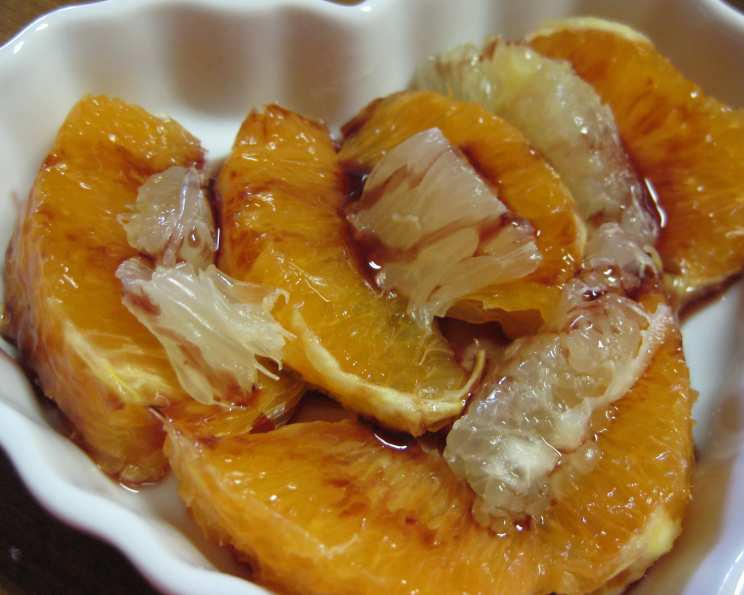
Oranges in Red Wine – Naranjas Al Vino Tinto: A Taste of Spanish Sunshine
There are some dishes that, with just a single bite, transport you back to a specific moment in time, a place, or a feeling. For me, Naranjas al Vino Tinto is one of those culinary touchstones. I first encountered this vibrant dessert during a rather impromptu trip to a small village in Andalusia, Spain, many years ago. The scent of oranges and spices wafted from a humble kitchen, and I was beckoned in. What followed was a revelation: simple, yet profoundly flavorful oranges bathed in a ruby-red wine syrup, a testament to the magic that can be created with just a few, thoughtfully prepared ingredients. It was a dish that perfectly captured the warmth of the Spanish sun and the generosity of its people.
Recipe Overview
- Prep Time: 25 minutes
- Cook Time: 25 minutes
- Total Time: 50 minutes (plus chilling time for syrup)
- Servings: 4
- Yield: Dessert portions
- Dietary Type: Vegan, Gluten-Free, Dairy-Free
Ingredients
For the Red Wine Syrup:
- 2 cups red wine
- 1 piece lemon zest (removed with a peeler)
- 1 piece orange zest (removed with a peeler)
- 2 cloves
- 1 teaspoon juniper berries
- 1 cinnamon stick
- 3/4 cup sugar
- 3 star anise pods
For the Fruits:
- 4 oranges (preferably Valencia)
- 1 lemon
- 6 small mint leaves
Equipment Needed
- Medium saucepan
- Fine-mesh sieve
- Sharp knife
- Cutting board
- Serving plates
Instructions
- Prepare the Red Wine Syrup: In a medium saucepan, combine all the syrup ingredients: 2 cups of red wine, the lemon zest, orange zest, cloves, juniper berries, cinnamon stick, 3/4 cup of sugar, and 3 star anise pods.
- Bring the mixture to a boil over medium-high heat.
- Once boiling, reduce the heat to low and let the syrup simmer gently. This simmering process is crucial for allowing the flavors to meld and the syrup to thicken. Continue to simmer until the mixture has reduced by one-third, which should take approximately 25 minutes.
- After simmering, strain the syrup through a fine-mesh sieve into a clean bowl or container. Discard the solids.
- Refrigerate the strained syrup until cooled. The consistency of the syrup is key to this dish. Once chilled, check its thickness. It should resemble the consistency of honey.
- Syrup Consistency Check: If the syrup is too thin, return it to the saucepan and reduce it further over low heat for a few more minutes until it reaches the desired honey-like consistency. Be careful not to over-reduce, as it can become too thick. If, by chance, the syrup becomes too thick, you can add a little water and stir to thin it out. Once you’re satisfied with the consistency, set the syrup aside.
- Prepare the Oranges: For each of the 4 oranges, slice off the top and bottom ends. This creates flat surfaces to work with.
- Next, remove all the peel and white pith from the oranges. You can do this by following the natural curve of the fruit with your knife, carefully removing the outer layer. It’s important to remove all the pith, as it can be bitter.
- Once peeled, slice along the sides of each orange segment, working your knife between the membrane and the flesh. Gently pull out the segments, ensuring they are free of any remaining membrane.
- Prepare the Lemon: Repeat the same segmenting process with the 1 lemon. This will add a bright, zesty contrast to the sweeter oranges.
- Assemble the Dish: To serve, spoon a generous amount of the chilled red wine syrup onto individual serving plates.
- Arrange the orange and lemon segments artfully over the syrup.
- Finally, sprinkle the small mint leaves on top of the fruit for a fresh, aromatic garnish.
Expert Tips & Tricks
The beauty of Naranjas al Vino Tinto lies in its simplicity, but a few chef-level touches can elevate it further. When selecting your red wine, opt for something fruity and not too tannic – a young Rioja, a Beaujolais, or even a good quality Zinfandel will work beautifully. The goal is a wine that will contribute pleasant flavor without overpowering the delicate fruit. For the zesting, using a vegetable peeler to get larger strips of zest ensures you capture more of the aromatic oils, and they are easy to remove from the syrup later. When segmenting the citrus, a sharp, thin-bladed knife is your best friend. It allows for precise cuts, minimizing waste and maximizing the plump, juicy fruit. For an extra touch of elegance, consider a very thin slice of fresh orange or lemon to perch on the edge of the plate.
Serving & Storage Suggestions
This delightful dessert is best served chilled. The cool, vibrant fruit paired with the rich, spiced syrup is incredibly refreshing. It makes a perfect light ending to a rich meal, or as a stand-alone treat with a cup of coffee or tea.
Storage: Any leftover syrup can be stored in an airtight container in the refrigerator for up to 5 days. The prepared fruit, if any, is best consumed the same day it is prepared to maintain its best texture and freshness. If you have excess syrup, it can also be used as a base for other desserts, drizzled over ice cream, or even as a base for mulled wine.
Nutritional Information
| Nutrient | Amount per Serving | % Daily Value |
|---|---|---|
| Calories | 312.1 kcal | |
| Calories from Fat | N/A | |
| Total Fat | 0.2 g | 0% |
| Saturated Fat | 0 g | 0% |
| Cholesterol | 0 mg | 0% |
| Sodium | 5.5 mg | 0% |
| Total Carbohydrate | 58.9 g | 19% |
| Dietary Fiber | 4.4 g | 17% |
| Sugars | 50.4 g | 201% |
| Protein | 1.6 g | 3% |
Note: Nutritional values are estimates and may vary based on specific ingredients and quantities used.
Variations & Substitutions
While the classic rendition of Naranjas al Vino Tinto is perfection, there’s always room for creative interpretation. For a deeper, richer flavor profile, you could use a port wine or a sweet sherry in place of some of the red wine. If you prefer a less sweet dessert, reduce the amount of sugar in the syrup. For an autumnal twist, consider adding a few slices of apple or pear to simmer alongside the citrus. A pinch of ground nutmeg or a few cardamom pods can also add another layer of complexity to the syrup.
FAQs
Q: What type of red wine is best for this recipe?
A: A fruity, medium-bodied red wine like a young Rioja, Beaujolais, or Zinfandel is ideal. Avoid very dry or heavily tannic wines.
Q: Can I use pre-peeled oranges?
A: While you could, segmenting fresh oranges yourself is recommended for the best flavor and texture. The process of removing the pith also ensures no bitterness.
Q: How do I know when the syrup has reduced enough?
A: The syrup should coat the back of a spoon and have a consistency similar to honey. It will thicken further as it cools.
Q: Can I make this dish ahead of time?
A: Yes, the red wine syrup can be made and chilled a day in advance. The fruit should be prepared closer to serving time to maintain its freshness.
Q: What is the role of the juniper berries?
A: Juniper berries add a subtle piney and slightly peppery note that complements the other spices and the red wine beautifully.
Final Thoughts
Naranjas al Vino Tinto is a testament to the idea that the most exquisite flavors often come from the simplest of ingredients, treated with care and respect. It’s a dish that speaks of sunshine, warmth, and the joy of sharing good food. I encourage you to bring this little piece of Spanish sunshine into your own kitchen. Gather your ingredients, take your time with the preparation, and savor the vibrant flavors and aromas as they unfold. I’m confident you’ll find it as delightful and transporting as I do. Should you try this recipe, I’d be thrilled to hear about your experience!